
Wednesday, August 19, 2026
What we know · the intelligence behind this page
Live from the substrate
What we're seeing
AI Platforms Rush to Establish Content-Authenticity Standards Amid Leadership Shakeups and Sustained Capex
Within days of each other in mid-August 2026, Google, Anthropic, and Spotify moved to formalize AI content watermarking and labeling policies, signaling an industry-wide push toward self-governed provenance standards as generative AI output floods consumer platforms. The shift coincides with executive turnover at OpenAI (Brad Lightcap's departure) and Meta's public AI manifesto, all set against continued heavy AI infrastructure capital expenditure and finance-sector moves (e.g., Wall Street paying for algorithmic edges on social signals) that underscore AI's deepening entanglement with capital markets.
Our read on the data ›
Signals we're tracking
EPKINLY Regulatory-Clinical Success Cascade
High probability of expanded label indications, additional combination approvals, and competitive positioning strength in follicular lymphoma market. Predicts positive commercial uptake and potential accelerated review for related indications.
Patterns we're watching ›
Where sources disagree
JPMorgan Chase & Co.
Both facts report JPMorgan Chase & Co.'s revenue for the same fiscal period (FY 2025) with the same observation date (2025-12-31), but with different values: $182.447 billion vs. $185 billion. The ~1.4% difference ($2.553 billion) is too large to be explained by rounding alone and represents conflicting data for the identical time period.
We flag conflicts openly ›
Recently verified
Checked against the original source
4,812
facts traced to their source — and we flag the ones that don't hold up.
101 entities tracked4,812 facts checked against source5,238 source documents archived
Work with this data → vianewsagency.com

South Sudan Oil Contamination: "Among Highest in the World," Study Finds

Terry Swartzberg

July 7, 2018
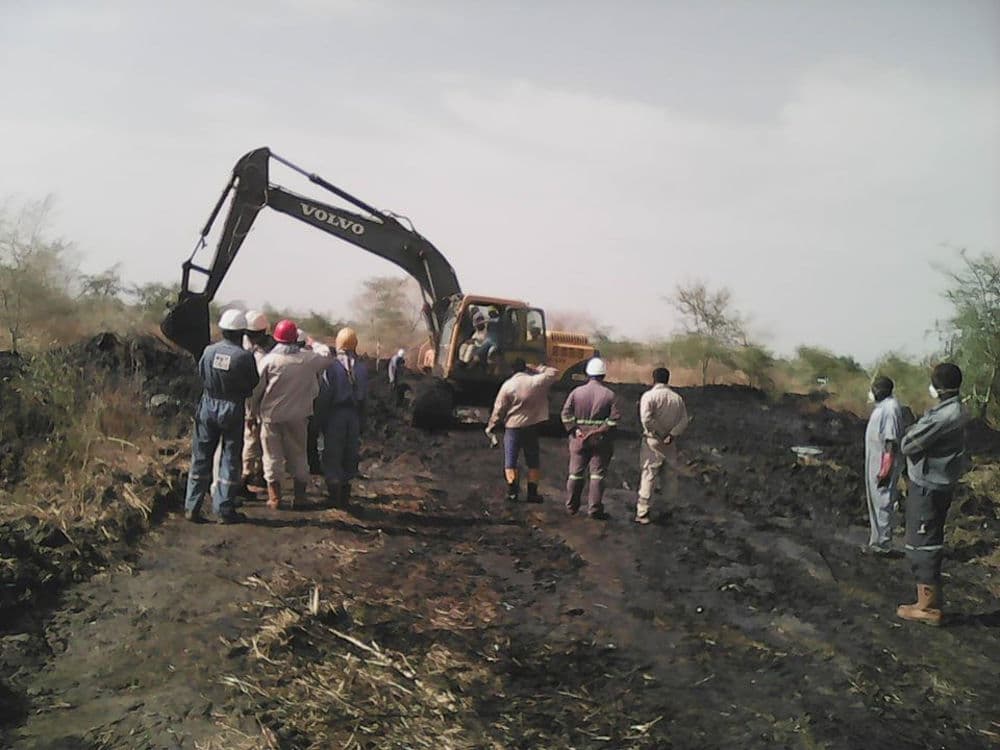
South Sudan oil workers attempting to contain the spill. Photo by: Nile Institute of Environmental Health.
MUNICH, Germany (ViaNews) - Professor Fritz Pragst of Berlin's Institute for Forensic Medicine is one of the leading forensic toxicologists in the world. Read: Briefing on Big Oil’s Contamination of South Sudan Professor Pragst headed a team of scientists that produced in 2017 the definitive study on the levels of lead, barium and other health-endangering substances in the hairs of people living in the vicinity of South Sudan's oil fields. Here is his statement on the study's findings. "The levels of lead concentrations found in the hairs of residents in South Sudan were, in some cases, among the highest in the world. While further tests - of resident blood- would be required to ascertain actual damaging of health - the direct and immediate endangerment of lead poisoning for human beings and animals is extremely well and unequivocally documented." Read: German NGO struggle for clean water in South Sudan South Sudan residents report a large number of deformed children, birth complications, and sexual dysfunctions. Read: Leading Rights Groups Reveal How a South Sudan Oil Company Plays a Key Role in Prolonging Conflict

Categories

Tags