
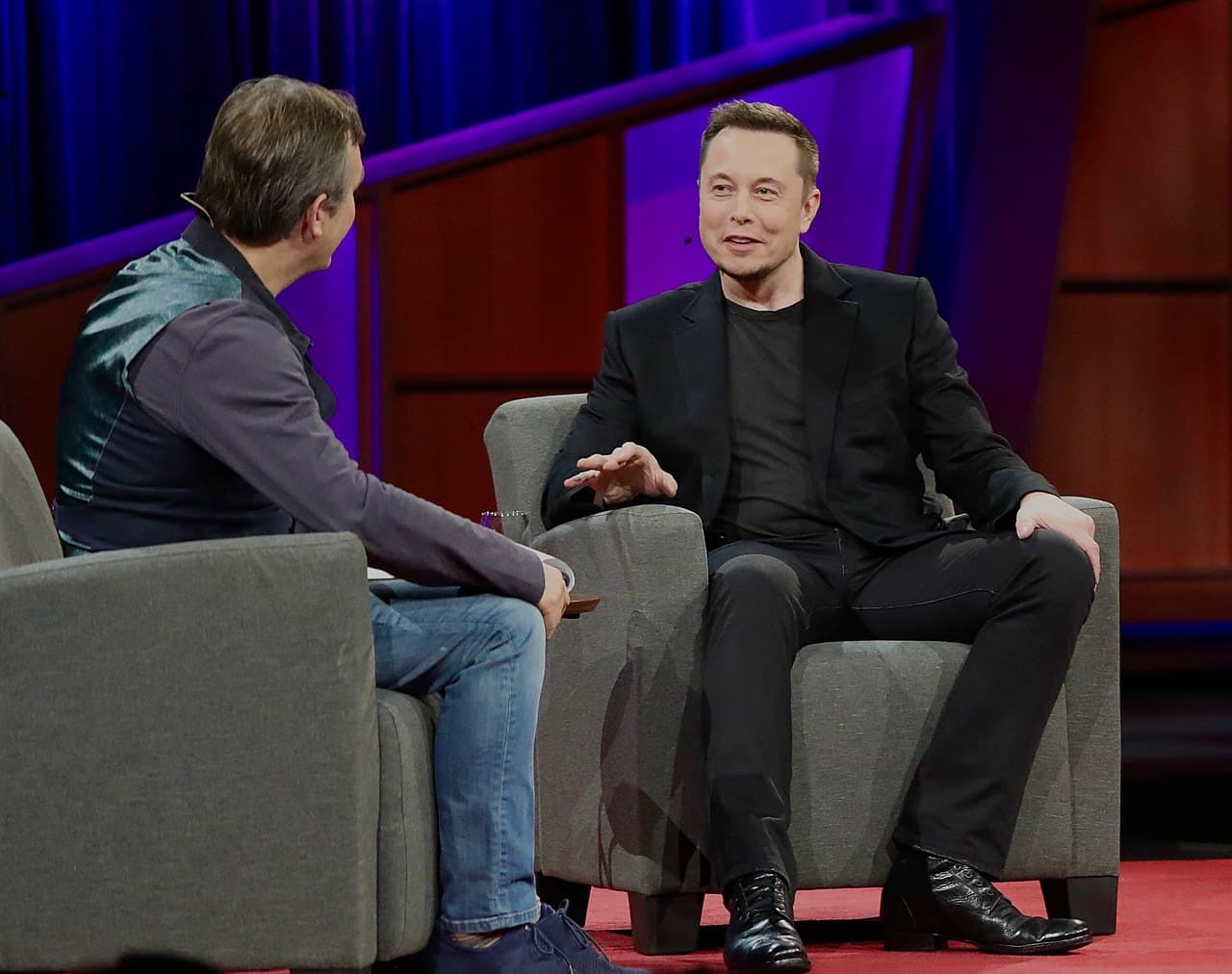
The World Artificial Intelligence Conference, in Shenzhen China, was the epicenter, where two brilliant minds battle it out on what is at stake with artificial intelligence revolution. Jack Ma, the tech billionaire behind Alibaba and Tesla CEO and tech enthusiast Elon Musk, shared the stage as they echoed the potential benefits and consequences of the revolutionary technology.
Musk: AI will be smarter than Humans will
Musk might as well have rattled Ma on insisting that people are underrating the potential impact of AI. According to Musk, AI will lead to machines that are smarter than humans, something that could pose a significant danger to future generations.
Trying to understand AI according to the Tesla executive is similar to chimpanzees trying to understand humans. The Tesla CEO is also of the opinion that researchers should downplay the notion that AI will not lead to machines that are smarter than they are. Instead, they should focus on how to ensure the technology is well used not to pose a danger to the human race.
Ma, on the other hand, does not believe that AI will pose a significant danger to humans. Instead, technology should lead to potential human gains, such as making it possible for people to understand themselves better.
“I don’t think that artificial intelligence is a threat. I do not think that it is something terrible. [And] Human beings are smart enough to learn that,” said Mr. Ma before Ma interjected with famous words, “I don’t know, man”.
Reduced Working Hours
Humans, according to the tech billionaire, are smart enough to understand the technology and learn from it. For starters, the technology should transform how people work, in the future, by cutting the amount of time spent in workplaces to 12 hours a week.
The sentiments by Ma come to have a surprise in contradiction to his endorsement of a 12-hour workday culture. In April, the tech billionaire called for a change in China’s working culture, calling for people to work 9 hours a day, six days a week.
Reduced working hours, according to Ma, should allow people to live much longer given the reduced pressure from places of work. By working for fewer hours, people should be able to spend more hours in being humans rather than robots in places of work. According to MA, people should only work three days a week, four hours a day.
“In the next 20 to 30 years, human beings will live much longer. Life science technology is going to make people live probably 100 or 120 years,” he said. “That may not be a good thing because you get your grandfather’s grandfather still working hard,” added Mr. Ma.
Population Collapse Threat
Away from the disparities on AI potential impact and consequences, the two billionaires do agree on one thing: the biggest problem that the world will face in the future is the lack of enough people. According to Musk, people should dispel the notion that there are enough people in the world.
As Artificial Intelligence continues to take over all the facts of life, the biggest problem that the world will face 20 years from now is population collapse. According to the two, the world population will decrease at a much faster rate going forward contrary to popular belief that the population is rising.
Looking to the future Musk also added that people should take actions that have the potential to enhance consciousness. The fact that we are yet to encounter aliens as propagated according to the tech enthusiast makes the case as to why humans should insist on the ambitions of going to Mars.