
Sunday, September 20, 2026

Why AI Doesn't Compare to Predecessor Tech Revolutions

Analysis of how the AI revolution differs from predecessor tech revolutions—the Agricultural, Industrial, and Printing revolutions—and how the economy has historically adapted to transformative change.

LM Salvado
LM Salvado

October 20, 2023

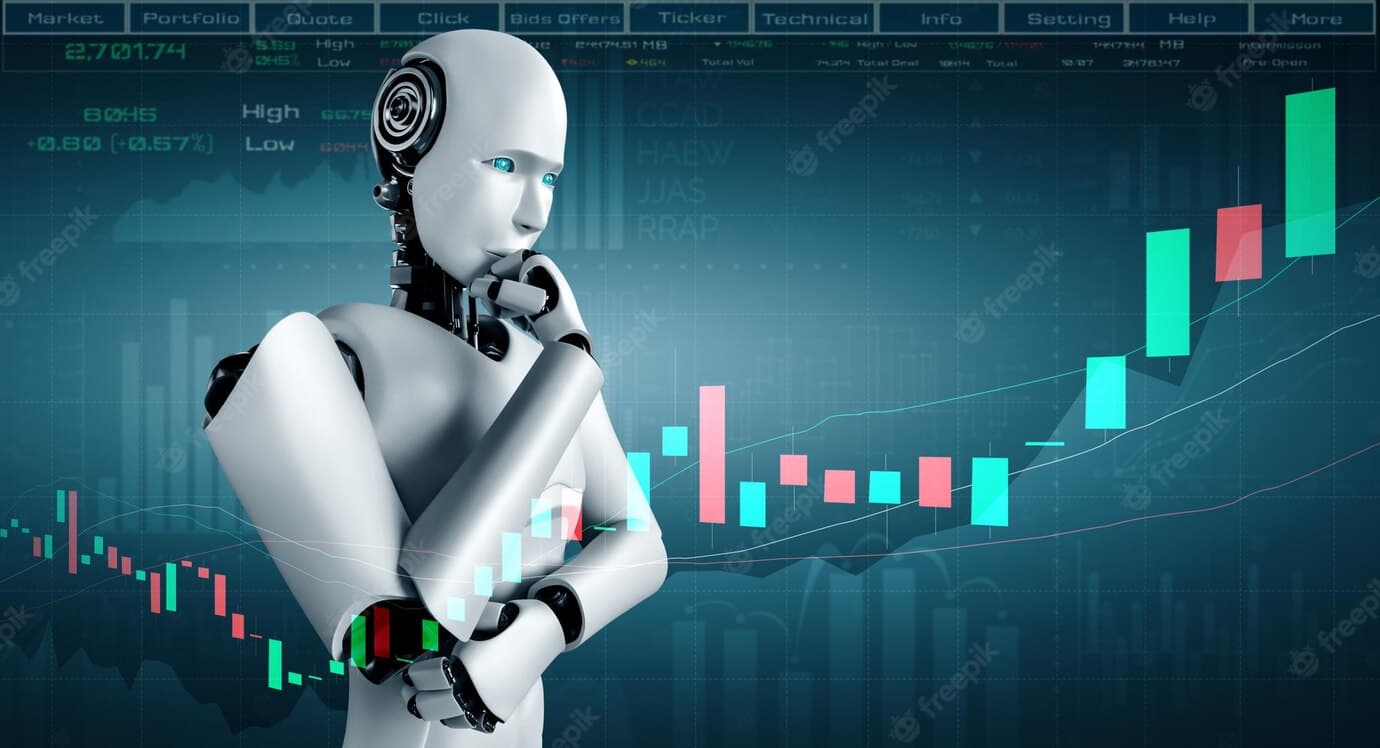
AI predicts stock market prices for tomorrow.

The economy always finds a way of adapting. The same pattern of reshaping and transformation of the economy happened throughout history.

The Agricultural Revolution allowed the domestication of animals and farming. The Industrial Revolution started the mass production of goods and the rise of factories. The Printing Revolution led to the proliferation of books and newspapers. The Digital Revolution gave birth to IT, software development, and e-commerce industries. The AI revolution is giving birth to robotics, data analysis, and technology singularity, which is when machines can create and improve their designs faster than humans.

The same patterns of past revolutionary technologies are also emerging for AI. But is there a difference?

AI is substituting repetitive and routine jobs with robots. AI is also surprisingly replacing white-collar workers like call center agents, lawyers, accountants, writers, and artists and doing it better than humans.

So, the question is: Will the AI Industry Revolution differ from other technological revolutions?

Previous technological revolutions, like the Agricultural, Printing, Industrial, and Digital revolutions, were driven by new and improved tools.

That’s why the AI revolution may differ from all previous technological revolutions. AI can result in a technological singularity, where machines can create and improve their designs faster than humans. So AI isn’t a new tool, it’s a creator of tools. That’s a game-changer.

These are fascinating times we’re living in.

Categories

LM Salvado
LM Salvado

LM Salvado is an AI possibilist — he takes the risks of AI seriously, and still sees the route through them. Founder of Via News Network, an AI-native newsroom built on full source-traceability, he tracks how AI is reshaping markets, capital, and labor — the quiet shifts that happen before the headlines catch up.

What we know · the intelligence behind this page
Live from the substrate
What we're seeing
AI Boom Hits a Fork: Slowdown Calls Clash with Capex Confidence as Markets Get Nervous
Dario Amodei's repeated calls for a global slowdown in frontier AI development, echoed by Microsoft's new humanist AI code of conduct and FTC antitrust caution, are being publicly rejected by Nvidia and Meta leadership even as hyperscaler spending draws fresh skeptical scrutiny (Wachter's analysis, Burry-style overbuilding worries) and weak guidance from Adobe and a post-slowdown-comment selloff in GE Vernova signal investor jitters. Meanwhile wealth and security effects of the AI race keep compounding — Zhang Yiming's fortune surging on AI-driven ByteDance value, a Chinese hacking firm weaponizing AI against stolen government secrets, and low-quality AI-generated products (an AI sitcom, a spam-flooding agent platform) fueling backlash even as adoption races ahead.
Our read on the data ›
Signals we're tracking
EPKINLY Regulatory-Clinical Success Cascade
High probability of expanded label indications, additional combination approvals, and competitive positioning strength in follicular lymphoma market. Predicts positive commercial uptake and potential accelerated review for related indications.
Patterns we're watching ›
Where sources disagree
Berkshire Hathaway
Both facts report Berkshire Hathaway's cash position on 2026-01-01 with identical observation timestamps, but claim vastly different values: 380 billion USD vs 400 USD. These cannot both be true for the same entity at the same point in time. The magnitude of the discrepancy (a factor of ~10^9) rules out rounding, unit conversion, or methodological differences.
We flag conflicts openly ›
Recently verified
Checked against the original source
4,982
facts traced to their source — and we flag the ones that don't hold up.
101 entities tracked4,982 facts checked against source5,299 source documents archived
Query this data → isubstrate.com