
 Gwadar Port in Pakistan was leased to China for 43 years, under the CPIC treaty. Photo by: J. Patrick Fischer.[/caption]
In a recent statement by the Afghan President, Ashraf Ghani, Afghanistan will not be part of CPEC unless it is given access to the Pakistan Wagah and Attari border. This might be a clear indication that CPEC might face challenges ahead unless Pakistan provides trade access to India. This statement has come soon after Ashraf Ghanis' visit to India. Afghanistan, India and the USA join forces to blame Pakistan for providing sanctuaries and logistics to terrorist organizations. Pakistan and China could survive this situation by pushing away both USA and Afghanistan outside regional trade game.
In this scenario, Pakistan has the potential to convince the USA policy makers and business community to look at CPEC beyond the security concerns. Pakistan options could include persuading the USA to invest in trade and education to enhance the country's economic development.
The 70 years old Pakistan / USA relations may have reached a time where Pakistan can be seen as part of the solution, not the problem.
Gwadar Port in Pakistan was leased to China for 43 years, under the CPIC treaty. Photo by: J. Patrick Fischer.[/caption]
In a recent statement by the Afghan President, Ashraf Ghani, Afghanistan will not be part of CPEC unless it is given access to the Pakistan Wagah and Attari border. This might be a clear indication that CPEC might face challenges ahead unless Pakistan provides trade access to India. This statement has come soon after Ashraf Ghanis' visit to India. Afghanistan, India and the USA join forces to blame Pakistan for providing sanctuaries and logistics to terrorist organizations. Pakistan and China could survive this situation by pushing away both USA and Afghanistan outside regional trade game.
In this scenario, Pakistan has the potential to convince the USA policy makers and business community to look at CPEC beyond the security concerns. Pakistan options could include persuading the USA to invest in trade and education to enhance the country's economic development.
The 70 years old Pakistan / USA relations may have reached a time where Pakistan can be seen as part of the solution, not the problem.USA, India, and Bangladesh Stand United on China-Pakistan Economic Corridor Issue
Hussain Shahid
November 1, 2017

ISLAMABAD, Pakistan (ViaNews) - The U.S. and Pakistan relations may face many geostrategic and geoeconomic challenges, but one, such as the China-Pakistan Economic Corridor (CPEC), stands above all else. The CPEC is a collection of infrastructure to modernize and strengthen the Pakistan economy by the construction of transportation networks and energy projects. Pakistan is a strategic point joining the Maritime Silk Road project and the ambitious Chinese One Belt, One Road project.
The One Belt, One Road (OBOR) initiative marks China's push to take a greater role in global trade affairs. The initiative has been raising many eyebrows, including the USA and the west. China has invested 48 billion in Pakistan, which fills the vacuum created by the lack of investment in the weak Pakistan economy.
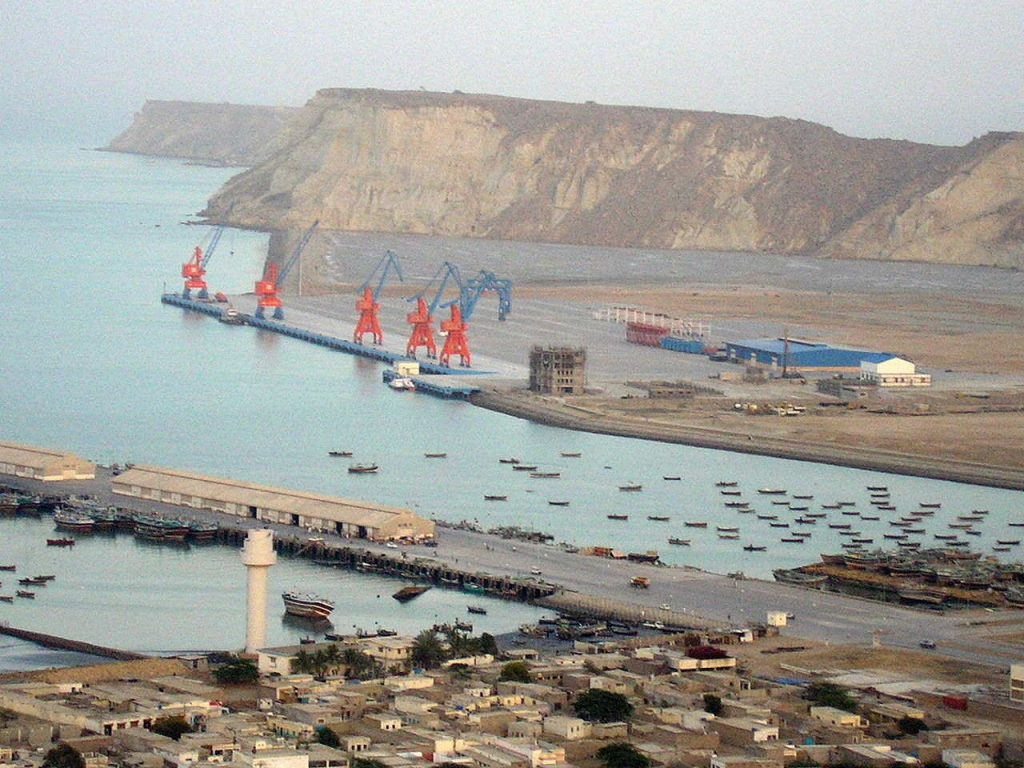
[caption id="attachment_2837" align="aligncenter" width="640"] Gwadar Port in Pakistan was leased to China for 43 years, under the CPIC treaty. Photo by: J. Patrick Fischer.[/caption]
In a recent statement by the Afghan President, Ashraf Ghani, Afghanistan will not be part of CPEC unless it is given access to the Pakistan Wagah and Attari border. This might be a clear indication that CPEC might face challenges ahead unless Pakistan provides trade access to India. This statement has come soon after Ashraf Ghanis' visit to India. Afghanistan, India and the USA join forces to blame Pakistan for providing sanctuaries and logistics to terrorist organizations. Pakistan and China could survive this situation by pushing away both USA and Afghanistan outside regional trade game.
In this scenario, Pakistan has the potential to convince the USA policy makers and business community to look at CPEC beyond the security concerns. Pakistan options could include persuading the USA to invest in trade and education to enhance the country's economic development.
The 70 years old Pakistan / USA relations may have reached a time where Pakistan can be seen as part of the solution, not the problem.
Gwadar Port in Pakistan was leased to China for 43 years, under the CPIC treaty. Photo by: J. Patrick Fischer.[/caption]
In a recent statement by the Afghan President, Ashraf Ghani, Afghanistan will not be part of CPEC unless it is given access to the Pakistan Wagah and Attari border. This might be a clear indication that CPEC might face challenges ahead unless Pakistan provides trade access to India. This statement has come soon after Ashraf Ghanis' visit to India. Afghanistan, India and the USA join forces to blame Pakistan for providing sanctuaries and logistics to terrorist organizations. Pakistan and China could survive this situation by pushing away both USA and Afghanistan outside regional trade game.
In this scenario, Pakistan has the potential to convince the USA policy makers and business community to look at CPEC beyond the security concerns. Pakistan options could include persuading the USA to invest in trade and education to enhance the country's economic development.
The 70 years old Pakistan / USA relations may have reached a time where Pakistan can be seen as part of the solution, not the problem.
Gwadar Port in Pakistan was leased to China for 43 years, under the CPIC treaty. Photo by: J. Patrick Fischer.[/caption]
In a recent statement by the Afghan President, Ashraf Ghani, Afghanistan will not be part of CPEC unless it is given access to the Pakistan Wagah and Attari border. This might be a clear indication that CPEC might face challenges ahead unless Pakistan provides trade access to India. This statement has come soon after Ashraf Ghanis' visit to India. Afghanistan, India and the USA join forces to blame Pakistan for providing sanctuaries and logistics to terrorist organizations. Pakistan and China could survive this situation by pushing away both USA and Afghanistan outside regional trade game.
In this scenario, Pakistan has the potential to convince the USA policy makers and business community to look at CPEC beyond the security concerns. Pakistan options could include persuading the USA to invest in trade and education to enhance the country's economic development.
The 70 years old Pakistan / USA relations may have reached a time where Pakistan can be seen as part of the solution, not the problem.