
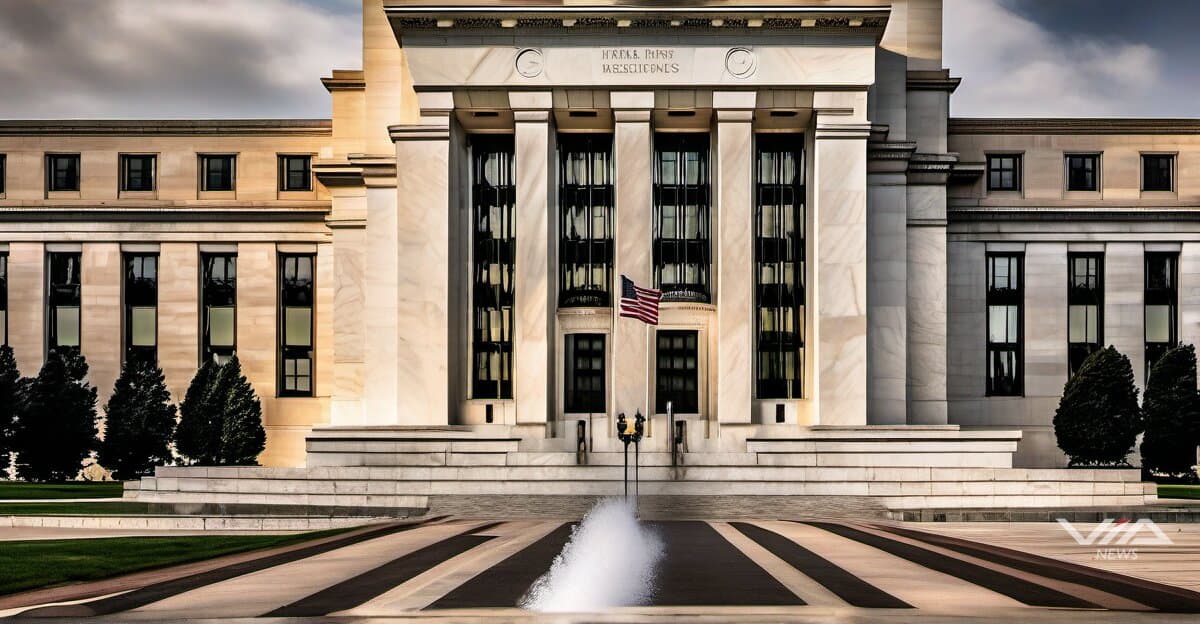
Federal Reserve officials remain split on interest rate policy as U.S. inflation stays above the 2% target for a fifth consecutive year, with the benchmark rate currently at 3.5-3.75%. The internal discord is triggering volatility across global equity and bond markets as traders struggle to price future rate paths.
Minneapolis Fed President Neel Kashkari argues rates are nearing neutral territory, signaling the restrictive phase may be ending. New York Fed President John Williams suggests further cuts could follow once tariff impacts subside, provided inflation moderates. Atlanta Fed President Raphael Bostic counters that mildly restrictive rates remain necessary through 2026 as growth projections point to renewed price pressures.
Cleveland Fed President Beth Hammack and Kansas City Fed President Jeff Schmid emphasize persistent services inflation and tariff costs absorbed domestically rather than by foreign exporters. Williams separately flagged Middle East geopolitical tensions as a near-term inflation risk, adding complexity to the Fed's decision framework.
The U.S. policy uncertainty contrasts with European Central Bank confidence. Bundesbank President Joachim Nagel describes eurozone inflation as favorable, noting the ECB operates from a comfortable policy position. This trans-Atlantic divergence is driving currency market swings and repricing rate differentials between major economies.
Rate-sensitive sectors face pressure globally as the Fed timeline grows uncertain. Bond futures show heightened disagreement on 2026 rate trajectories, with market participants repricing expectations weekly. The Fed's internal division reflects broader contradictions: resilient U.S. growth alongside stubborn inflation, tariff pressures overlaying organic price trends, and geopolitical risks compounding domestic challenges.
Until consensus emerges among Fed officials, volatility will likely persist across international markets tied to dollar-denominated assets and U.S. rate expectations.