
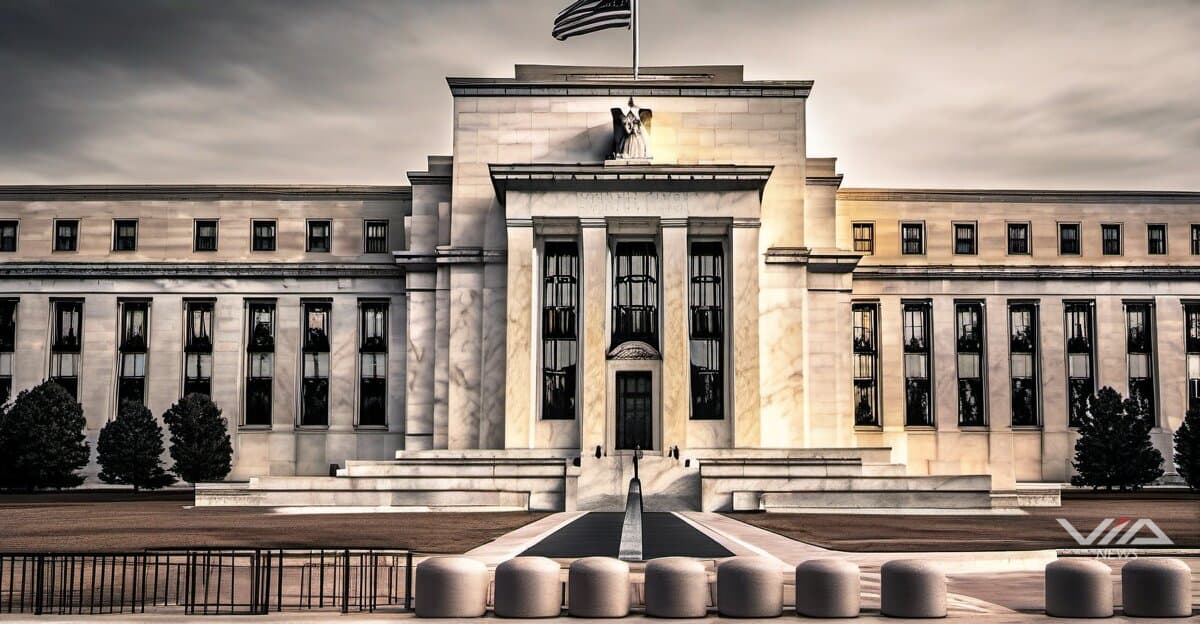
Federal Reserve officials expect interest rates to stay elevated until late 2026, a timeline that extends the global high-rate regime affecting borrowing costs from Wall Street to Frankfurt and Tokyo.
Atlanta Fed President Raphael Bostic stated he sees "little suggesting price pressures will dissipate before mid to late 2026." Minneapolis Fed President Neel Kashkari said he is "no longer confident" in earlier rate cut projections. The hawkish shift reflects oil price volatility driven by Middle East geopolitical tensions that ripple through economies worldwide.
San Francisco Fed President Mary Daly acknowledged that "oil price shock is a real thing depending on duration," while New York Fed President John Williams warned geopolitical conflicts "could affect the near-term inflation outlook." Oil prices affect consumer inflation globally, with European and Asian central banks facing similar pressures despite different monetary policy cycles.
The 10-year US Treasury yield jumped 10 basis points in under one week, influencing government bond markets from Germany to Australia. Global investors are repricing portfolios for higher-for-longer rates through 2027, affecting capital flows to emerging markets and sovereign debt valuations.
Corporate borrowing costs will remain elevated worldwide. Business development companies and private equity firms in the US face NAV volatility and reduced deal volume, dynamics mirrored in London and Hong Kong markets. Credit spreads in BB and B rated instruments may widen as investors demand additional compensation for illiquidity.
Banking institutions across advanced economies will maintain tight lending standards. Commercial real estate markets from New York to Singapore face headwinds as acquisition financing costs stay prohibitive. Leveraged buyout activity is expected to decline as financing remains restrictive.
Fed fund futures pricing for December 2026 and June 2027 will indicate whether global markets fully incorporate this timeline. EBITDA coverage ratios at leveraged companies provide early warning signals of credit stress that could spread across interconnected international financial systems.
Sources:
1 Yahoo Finance, "War escalation, jobs report fallout, and Oracle earnings: What to watch this week" (March 08, 2026)
2 Yahoo Finance, "Traders revamp Fed interest-rate cut bets as jobs dip, oil rises in Iran war" (March 07, 2026)
3 Yahoo Finance, "AI disruption looms over markets with US jobs data on tap" (March 02, 2026)
4 Yahoo Finance, "Fed's Treasury bill buying on track to moderate, amid work to rejigger bond holdings" (March 18, 2026)
5 Yahoo Finance, "‘If they rise, they rise’: Trump has zero concern for spiking US gas prices — says Iran operation ‘" (March 08, 2026)