
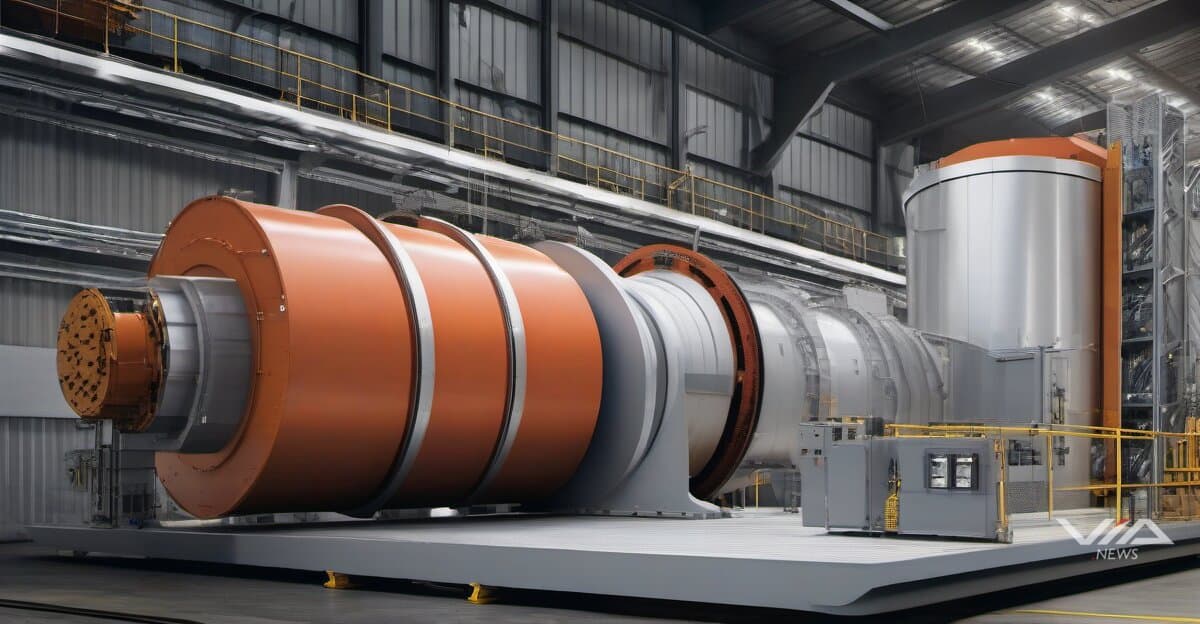
MP Materials targets 10,000 metric tonnes of annual rare earth magnet output by 2028, a tenfold increase from current capacity at its Fort Worth, Texas facility. The expansion would produce roughly 15% of global magnet supply, directly challenging China's near-monopoly on rare earth processing and manufacturing.
China controls 90% of global rare earth refining capacity and dominates magnet production for electric vehicles, wind turbines, and defense systems worldwide. Western nations from the US to Europe and Australia have struggled to build alternative supply chains. MP Materials operates North America's only integrated rare earth site at Mountain Pass, California, extracting concentrate and processing oxides domestically before final magnet manufacturing.
The 10,000-tonne output could pressure neodymium-praseodymium oxide prices, which hit $160,000 per tonne in 2022 during supply concerns before falling to $50,000. Global automakers including Tesla, Volkswagen, and BYD face magnet procurement bottlenecks limiting EV production. European wind turbine makers Vestas and Siemens Gamesa similarly depend on Chinese rare earth supply.
Competitors include Australia's Lynas Rare Earths, which processes material in Malaysia, and Canada's Energy Fuels. Japan and South Korea have invested in rare earth stockpiles and recycling programs to reduce China exposure. The European Union designated rare earths as critical raw materials requiring domestic sourcing targets by 2030.
The 2028 timeline carries execution risk. Magnet manufacturing requires specialized sintering furnaces and coating systems that have delayed similar projects globally. MP Materials hasn't disclosed capital costs for the buildout, though comparable facilities run $400-600 million. US Inflation Reduction Act incentives offer tax credits for domestic EV supply chains, potentially securing forward contracts with automakers before production starts.