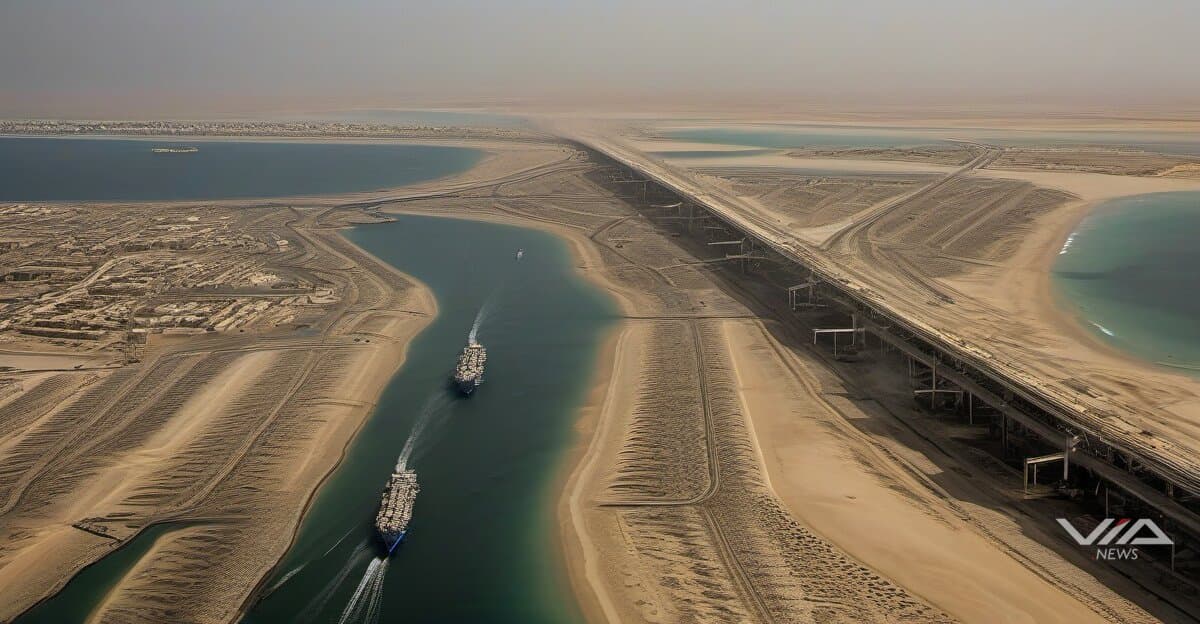
Oil prices jumped above $100 per barrel following a U.S. blockade order targeting Iran's access to the Strait of Hormuz, the narrow waterway that channels roughly 20% of the world's petroleum to Asian, European, and other global markets.1
The blockade threat marks the first sustained breach of the $100 threshold since the post-pandemic recovery period. Energy-dependent economies across Asia and Europe face immediate pressure as transportation and manufacturing costs climb. Japan, South Korea, and India—major crude importers reliant on Middle Eastern supplies—confront particular vulnerability to supply disruptions through the strait.
Treasury markets reflected competing pressures as investors balanced flight-to-safety positioning against inflation concerns driven by higher energy costs. Yield volatility increased as traders repositioned, with safe-haven demand clashing against inflation hedging strategies.1
The U.S. dollar gained broadly on safe-haven flows, a typical pattern during geopolitical crises as global investors seek liquidity in the world's reserve currency.2 Emerging market currencies faced pressure as capital flowed toward dollar-denominated assets.
U.S. equity indices showed divergent performance, with the Dow Jones Industrial Average and S&P 500 trimming losses while the Nasdaq held relatively firm.1 The tech sector's resilience suggests algorithmic strategies favor growth stocks over cyclical industries directly exposed to energy cost spikes.
Airlines, shipping companies, and chemical manufacturers worldwide face immediate margin compression as crude exceeds $100. European and Asian carriers operating long-haul routes confront particularly acute cost pressures given limited pricing power in competitive markets.
The crisis underscores persistent global dependence on Middle Eastern oil flows despite diversification efforts. While U.S. shale production has grown, international pricing remains tied to supply chokepoints that can halt flows to major consuming regions within hours.
Options markets showed elevated activity in energy calls and broad puts, indicating traders expect sustained volatility if the blockade extends beyond initial diplomatic maneuvering.