
Saturday, October 3, 2026

Apollo's Energos Scraps $2 Billion Bond Sale as Global Junk Debt Markets Seize Up

Energos Infrastructure pulled a $2 billion high-yield bond offering amid tightening credit conditions, exposing refinancing risks across Apollo Global Management's infrastructure portfolio. The collapse reflects broader stress in global junk debt markets, where $180 billion in infrastructure debt matures through 2027. Private equity-backed utilities face mounting pressure as the low-rate borrowing era ends.

Apollo's Energos Scraps $2 Billion Bond Sale as Global Junk Debt Markets Seize Up
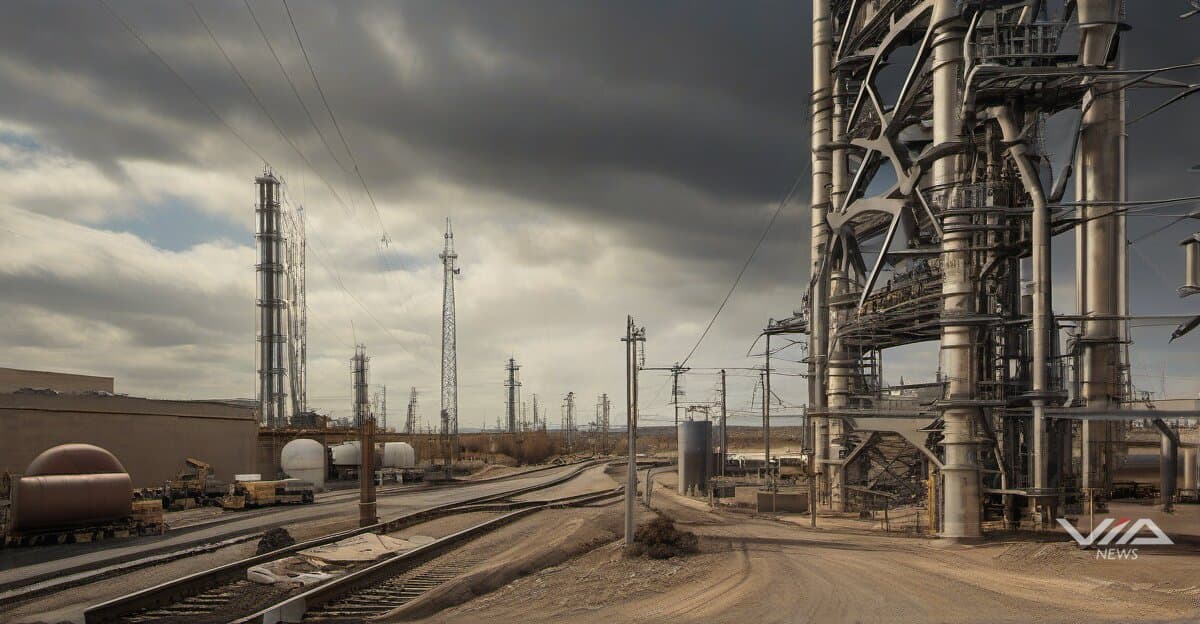
Image generated by AI for illustrative purposes. Not actual footage or photography from the reported events.

Energos Infrastructure canceled a $2 billion junk bond sale in recent weeks, forcing Apollo Global Management to find alternative refinancing for maturing debt obligations. The shelved offering signals acute stress in global high-yield markets as institutional investors retreat from riskier credits.

Junk debt markets have frozen across major financial centers in 2026. Investors now demand 300-500 basis points above earlier pricing for below-investment-grade infrastructure debt. European and North American leveraged utilities face similar refinancing walls as $180 billion in obligations come due through 2027.

Apollo loaded Energos with debt during its infrastructure fund acquisition, a standard private equity playbook during 2020-2022 when central banks held rates near zero. That strategy now backfires as Federal Reserve, ECB, and Bank of England policy tightening drives borrowing costs to decade highs.

Energos faces three options: negotiate private placement at punitive rates, liquidate assets at 20-30% discounts, or tap Apollo's balance sheet for rescue financing with equity dilution. Each path destroys value compared to the canceled public offering.

The refinancing failure carries systemic implications for infrastructure finance globally. Private equity firms deployed record capital into utilities, toll roads, and energy networks during the pandemic, betting on stable cash flows to service heavy debt loads. Rising rates expose that model's fragility.

Credit agencies placed several Apollo infrastructure holdings on negative watch following the bond cancellation. Apollo manages $650 billion globally, with infrastructure representing 15% of assets under management. The firm has not disclosed contingency plans for Energos or similar portfolio companies facing debt maturities.

Parallel stress emerges in European infrastructure markets, where German and French utilities backed by KKR and Blackstone confront similar refinancing pressure. The sector's debt binge during ultra-low rates creates vulnerability as credit conditions normalize worldwide.


Sources:
1 Yahoo Finance, "Fear Is Coming Back to the Junk Bond Market" (November 08, 2025)

In this story · Knowledge Files

What we know · the intelligence behind this page
Live from the substrate
What we're seeing
Pharma Pipeline Catalysts and M&A Heat Up as AI-Designed Drugs Enter the Clinic
Late-September 2026 brought a dense run of clinical readouts: Novo Nordisk's CagriSema data at EASD, Lilly's ADtouch results for EBGLYSS, and Merck's tulisokibart Phase 2b result. Lilly's $2.9B Merida Biosciences acquisition and the 2026-11-14 FDA PDUFA date for ivonescimab sit alongside these as the main deal and regulatory events. AI-designed drugs such as rentosertib, and speculative AI-linked trial ventures such as QAIAx, are moving from hype toward clinical validation. Broader AI-sector regulatory and legal friction (Tesla Cybercab probe, xAI Minnesota ruling, OpenAI lawsuits) shows rising scrutiny that could spill into AI-driven healthcare.
Our read on the data ›
Signals we're tracking
Satellite-Terrestrial Network Integration Acceleration
Increased investment and launches in hybrid satellite-cellular networks across telecom industry; competitive responses from other carriers; regulatory activity around satellite spectrum; expansion of emergency/rural connectivity use cases
Patterns we're watching ›
Where sources disagree
Apple Inc.
The observation date (2025-12-27) precedes Q1 2026, making it logically impossible to have actual Q1 2026 cash data at that point. Q1 2026 would not end until March 31, 2026. Additionally, the magnitude of the difference ($45.3B vs $132.42) is implausibly large even as a normal quarterly change for Apple. While different fiscal periods can show different values, the timing relationship here suggests a data integrity issue rather than legitimate period-over-period variation.
We flag conflicts openly ›
Recently verified
✓ Checked against the original source
4,985
facts traced to their source — and we flag the ones that don't hold up.
101 entities tracked4,985 facts checked against source5,329 source documents archived
Query this data → isubstrate.com