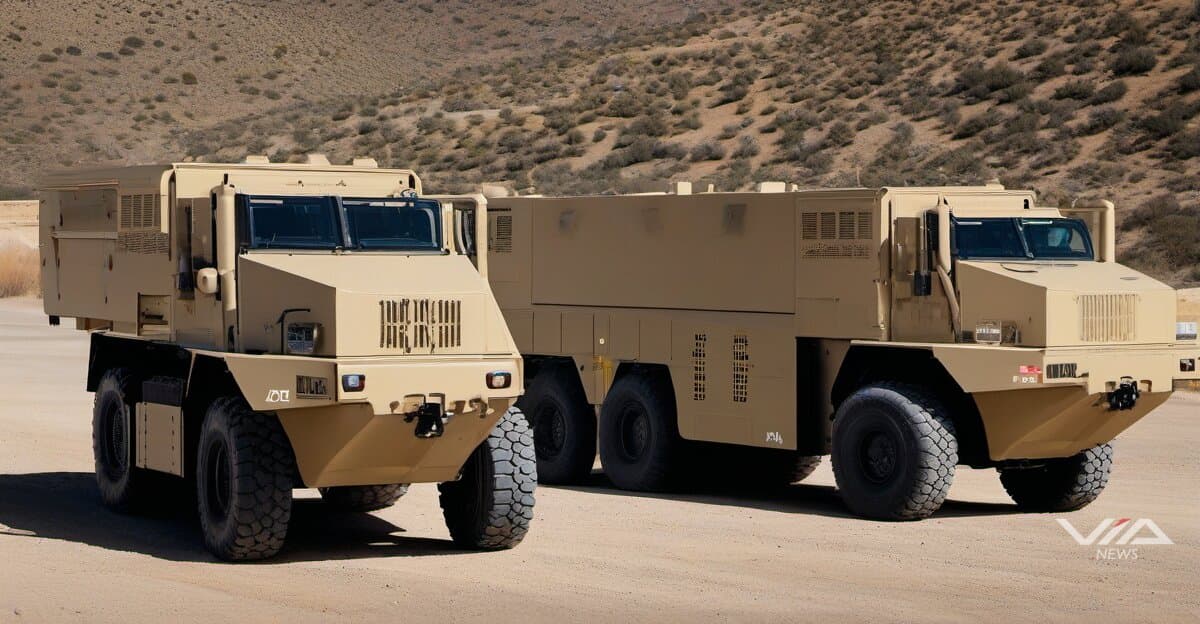
Three separate US military units have simultaneously requested procurement follow-on for Stratom's XCL autonomous cargo loader — a compression of the standard three-to-five-year acquisition cycle that defense planners in allied capitals are watching closely.1
The XCL is a ground-based autonomous system designed for cargo handling and forward logistics support. It joins a widening global field. China's PLA has invested heavily in autonomous ground logistics since 2020. NATO members, under post-Ukraine pressure to expand defense spending, have launched parallel procurement programs for autonomous resupply platforms. The US pace is now setting a competitive benchmark.
Demand from operational commanders — not acquisition offices — is driving the acceleration.1 That pattern is consistent across allied programs. When field units request systems, procurement timelines compress faster than any formal roadmap allows.
US defense AI startups focused on logistics automation face a 6-to-18-month window of accelerated SBIR and Other Transaction Authority (OTA) funding.1 OTA agreements allow the Pentagon to bypass standard Federal Acquisition Regulation requirements, cutting contract timelines from years to months. Several NATO allies are now replicating that contracting model domestically.
Larger public contractors with robotics exposure — Leidos, SAIC, and Textron — are positioned to benefit as procurement activity scales beyond initial awards.1
The operational logic is consistent across theaters. Autonomous ground vehicles reduce personnel exposure during resupply missions and forward base operations — whether for US forces in the Indo-Pacific, NATO units along NATO's eastern flank, or coalition deployments in active conflict zones.
Traditional defense procurement cycles run three to five years from technology demonstration to contract award. Simultaneous interest from three separate military units in one reporting window indicates that operational commanders, not only acquisition planners, are actively driving demand. That is a faster signal than any acquisition roadmap.
Stratom's XCL arc — from demonstration unit to multi-unit procurement interest — is one confirmed data point in a broader global shift toward autonomous ground logistics.1 Near-term contract awards appear increasingly likely as operational demand outpaces formal acquisition planning, in Washington and in allied capitals alike.