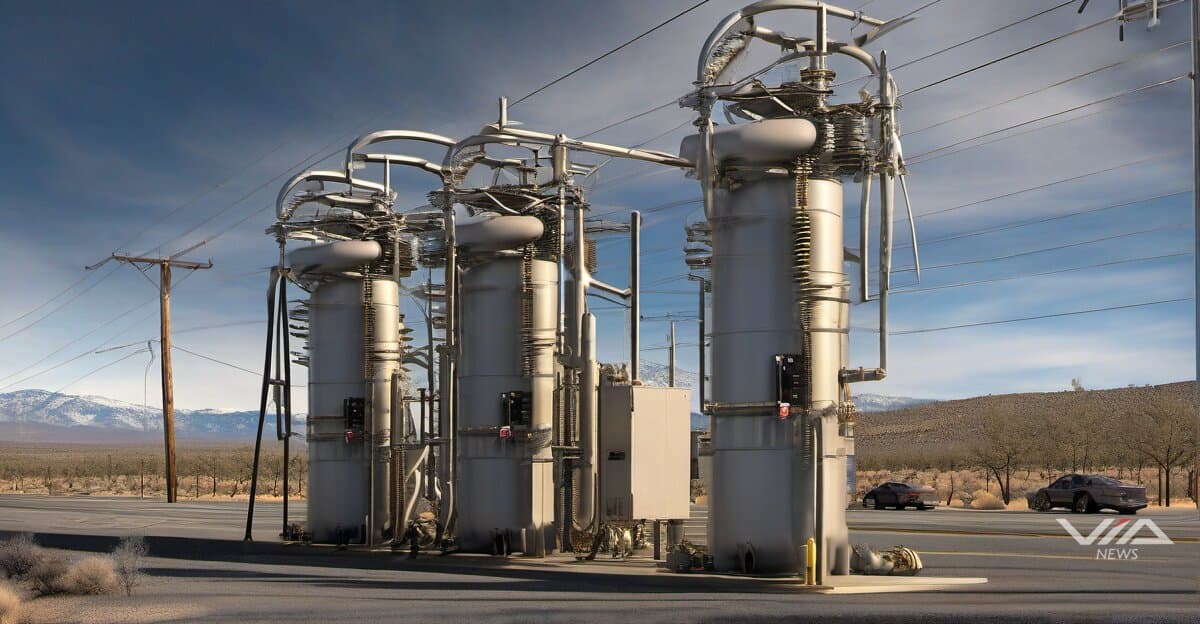
NV Energy is pulling contracted electricity supply from Lake Tahoe residential customers to meet Nevada data center demand, forcing Liberty Utilities to urgently seek a new power source.1 The California utility now faces a supply gap that could disrupt service to thousands of homes.
The pattern is not unique to Nevada. Across the United States, Europe, and East Asia, grid operators are reporting similar pressure as AI infrastructure buildout drives commercial electricity consumption to record levels. Ireland's national grid has restricted new data center connections. The UK has flagged power shortfalls near major tech hubs. In Southeast Asia, utilities warn that hyperscale campuses are crowding out industrial and residential customers.
At Liberty Utilities, the core risk is timing. Competitive procurement takes months. Data center-driven demand shifts move faster.1 Any gap between NV Energy's exit and a replacement supplier's first delivery exposes customers to outages.
An operational risk assessment rates the potential disruption as catastrophic severity with high likelihood.1 Three compounding risks follow. First, regulatory exposure: California utility regulators can impose penalties for service interruptions, triggering costly rate proceedings. Second, margin compression: emergency or spot-market power costs more than contracted supply. Third, timeline risk: a slow bid process extends the vulnerability window.
The structural driver is the same wherever this conflict surfaces. Generators face a rational commercial incentive to prioritize high-margin tech clients over legacy residential agreements. Utilities downstream absorb the transition cost.
For investors, the Liberty Utilities bid outcome is the near-term signal. California Public Utilities Commission filings and contract award announcements are the leading indicators. A successful procurement neutralizes the immediate risk. A delayed or failed process pushes the utility toward emergency sourcing and regulatory scrutiny — with material consequences for customers and investors alike.1