
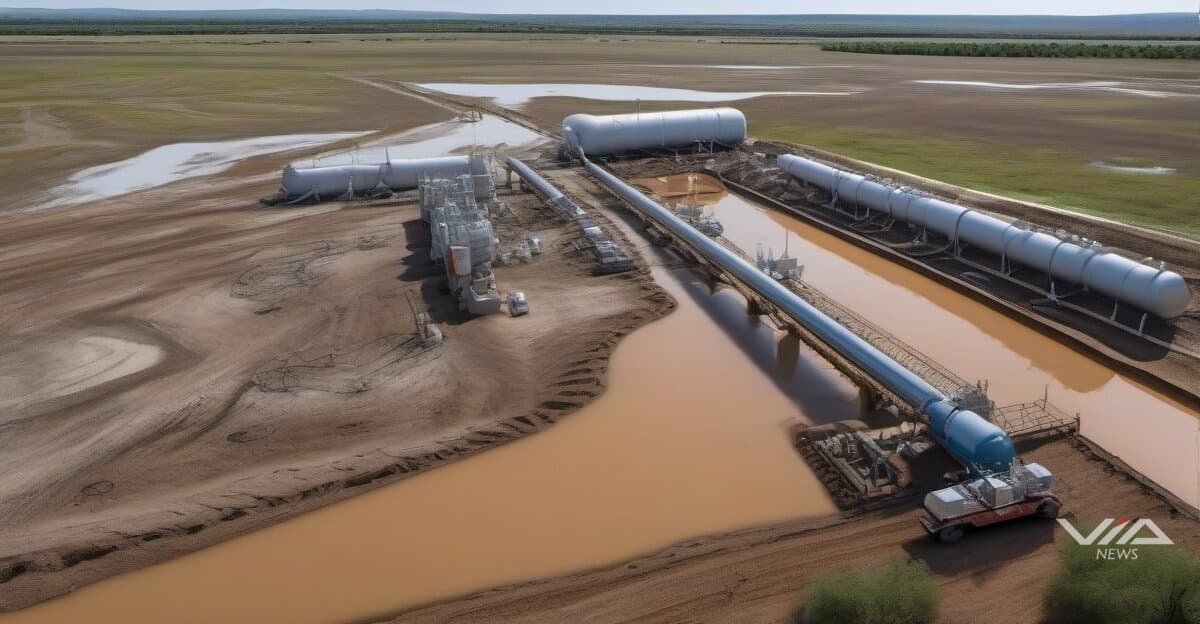
Shell will begin water injection operations at its Kaikias field in the Gulf of Mexico in January 2028, part of a global shift by oil majors toward squeezing more output from aging fields rather than pursuing frontier exploration. The secondary recovery project targets an additional 10-20% of original oil reserves and can extend plateau production by 3-5 years.
Kaikias started production in 2019 as a subsea tieback to the Ursa hub, 130 miles southeast of New Orleans in water depths exceeding 4,000 feet. The waterflood timeline follows typical deepwater economics, where operators initiate secondary recovery 5-10 years after first oil when production declines 20-40% from peak levels.
The strategy mirrors approaches by international operators managing mature basins. Equinor deploys waterflood at North Sea fields like Johan Sverdrup, while Petrobras uses the technique extensively in Brazil's pre-salt province. Capital discipline and regulatory hurdles make extending existing assets more attractive than developing new discoveries, particularly with oil prices fluctuating between $70-85 per barrel.
Waterflood operations inject water into reservoirs to maintain pressure and push remaining oil toward production wells. Shell's existing Mars Basin infrastructure—including the Olympus, Ursa, and Mars platforms—reduces capital costs compared to standalone developments. The Gulf of Mexico supplies roughly 15% of U.S. crude output, making secondary recovery critical as domestic shale growth slows.
The approach carries technical risks including water breakthrough in production wells, accelerated corrosion, and uncertain reservoir response. Operators must calibrate injection rates to optimize recovery without damaging well integrity or increasing water production that dilutes oil output. Shell's investment reflects industry-wide prioritization of production reliability over growth, with secondary recovery now standard practice across global offshore basins from West Africa to Southeast Asia.