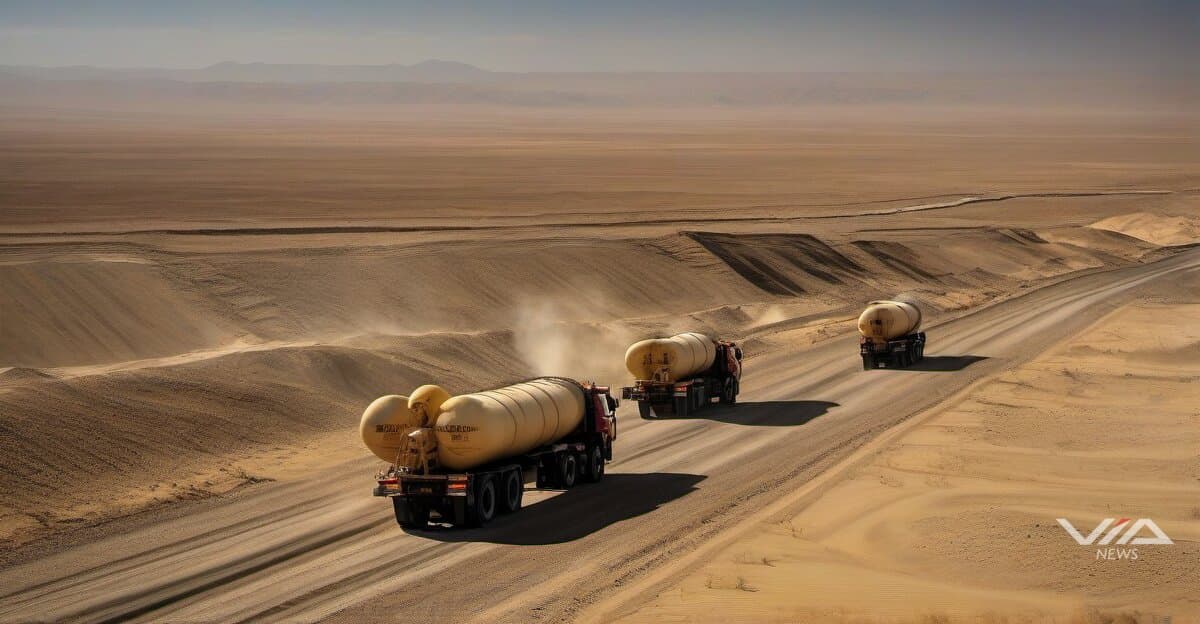
The Strait of Hormuz blockade has removed approximately 20 million barrels per day from global oil markets, representing one-fifth of worldwide petroleum supply, according to MacroEdge Research. The closure marks the largest oil supply disruption in history, dwarfing previous crises including the 1973 Arab oil embargo and the 1979 Iranian Revolution.
WTI crude prices surged as markets priced in extended disruption scenarios. The US has signaled a four-to-five-week military campaign timeline to reopen the strait, according to market analyst Nikos Tzabouras. The narrow waterway between Iran and Oman serves as a critical chokepoint for oil exports from Saudi Arabia, the UAE, Kuwait, Iraq, and Iran.
"Any geopolitical situation that can affect the price of oil is what will have the largest impact on financial markets," said Scott Wren, market strategist. "Clearly both the Middle East and the Ukraine/Russia situations can impact oil prices."
Sustained high energy prices may trigger reflationary pressures that weigh on global economic growth, Tzabouras warned. Europe and Asia face particularly acute exposure as net energy importers. Central banks from the European Central Bank to the Bank of Japan confront renewed inflation pressure as growth concerns mount.
Investors rotated into defensive positions across global markets. Gold and precious metals gained as safe-haven demand increased from Tokyo to London. Rare earth materials and agricultural commodities attracted inflows as hedges against supply chain disruption.
The crisis created divergent impacts across regions. Oil producers in Canada, Norway, and Brazil gained pricing power. Asian refiners faced margin compression from crude cost increases. European transportation firms confronted rising fuel expenses that threaten competitiveness.
Commodity market correlations shifted as traditional relationships broke down. Gold and oil moved in tandem, departing from historical patterns. Agricultural futures rose on fertilizer cost concerns, particularly affecting grain producers from Ukraine to Argentina.
Each week of disruption compounds reflationary risk globally. Options markets priced elevated uncertainty through extended timeframes. Commodity hedging costs increased across energy, metals, and agricultural sectors worldwide.