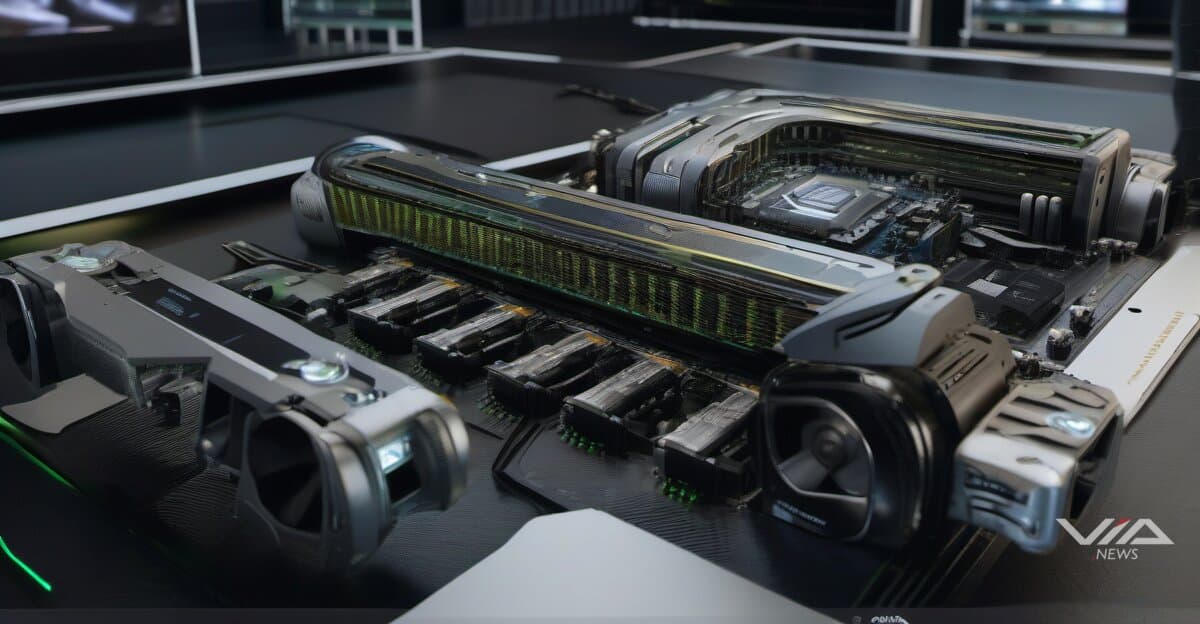
NVIDIA released Nemotron 3 language models, Cosmos 3 world foundation model, and Isaac GR00T robotics models as components of a unified enterprise AI platform.1 The bundled launch targets autonomous workflows across language processing, physical simulation, and robotics deployment globally.
The platform strategy positions NVIDIA against international competitors entering enterprise AI. China's Skywork launched a desktop AI agent for Windows emphasizing on-device processing where "your data never leaves, security stays with you."3 Skywork plans "deeper integration into everyday work environments" and "workflow capabilities that can scale from individual productivity to team and enterprise use."3
Market validation arrived as 68 new unicorns emerged globally in 2026, many focused on AI infrastructure and enterprise applications.2 The influx of billion-dollar valuations spans North America, Asia, and Europe, reflecting worldwide investor confidence in autonomous AI transforming knowledge work.
Strategic partnerships with Adobe and LangChain extend NVIDIA's platform into creative workflows and application development frameworks.1 The collaborations target markets across the Americas, EMEA, and Asia-Pacific regions.
Hybrid quantum-classical computing is emerging as another enterprise AI component internationally. AMD and Canada's Xanadu accelerated quantum computing simulations using PennyLane, demonstrating "how quantum and classical technologies can effectively work together," according to Madhu Rangarajan.4
NVIDIA's bundled release aims to capture enterprise spending worldwide as organizations shift from isolated AI pilots to integrated autonomous systems. The breadth of simultaneous releases—spanning text generation, world modeling, and robot training—suggests infrastructure consolidation rather than point solutions will define the next phase of global enterprise AI adoption.