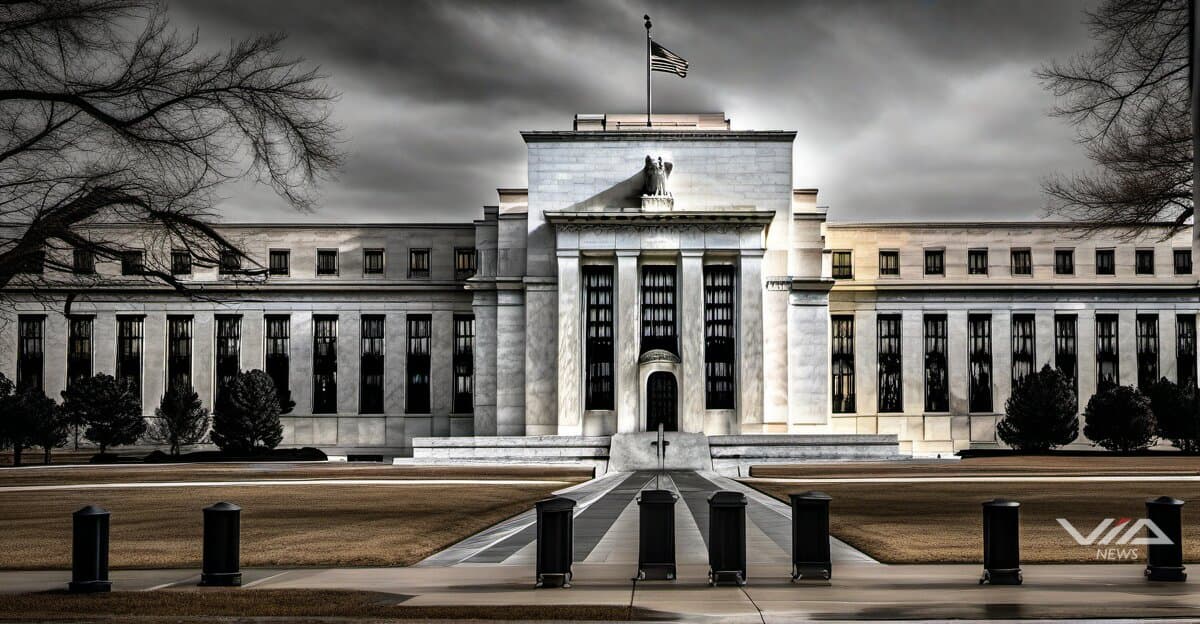
Fed Governor Christopher Waller told a Frankfurt audience on May 22 that rate hikes are back on the table.1 "I can no longer rule out rate hikes further down the road if inflation does not abate soon," he said.1 The statement lands in a world still absorbing the economic shockwaves of the Iran War, which began in February 2026.
"Inflation is not headed in the right direction," Waller added.1 Oil price rises from the conflict have broken the disinflation path the Fed had been navigating. Waller said the price pressures could be temporary if the war ends quickly. But prolonged conflict means prolonged tightening.1
For now, the Fed's position is wait-and-see.1 Markets have already moved. Rate-hike probability has been repriced upward following the Frankfurt remarks. The dollar strengthened on the news.
Pressure on emerging markets and global borrowers
A stronger dollar tightens conditions across the developing world. Countries carrying dollar-denominated debt face higher repayment costs. Commodity importers — from South Asia to sub-Saharan Africa — absorb a double hit: expensive oil and a pricier dollar. Central banks from Brazil to Indonesia will be watching Washington closely.
In advanced economies, the repricing is just as acute. Mortgage rates, auto loans, and corporate credit would rise with any hike. Fixed-income investors face renewed duration risk. Rate-sensitive sectors — real estate, utilities, infrastructure — are under pressure globally as the US discount rate moves higher.
Fractured Fed, uncertain signal
The hawkish signal arrives as the Fed's internal cohesion cracks. The FOMC's last vote split 8-4, with three formal dissents — an unusually high count.2 A Trump-Powell conflict involving the Justice Department has effectively sidelined Chair Powell. Kevin Warsh is positioned to replace him.2 Warsh inherits what one report called a "family fight" over rates, precisely when rate cuts are being taken off the table.2
Supply-shock inflation, hawkish Fed signaling, and fractured US institutional leadership form a combination that makes American rate policy both more consequential and less legible than at any point in the current cycle. For global markets, that unpredictability is itself a risk.