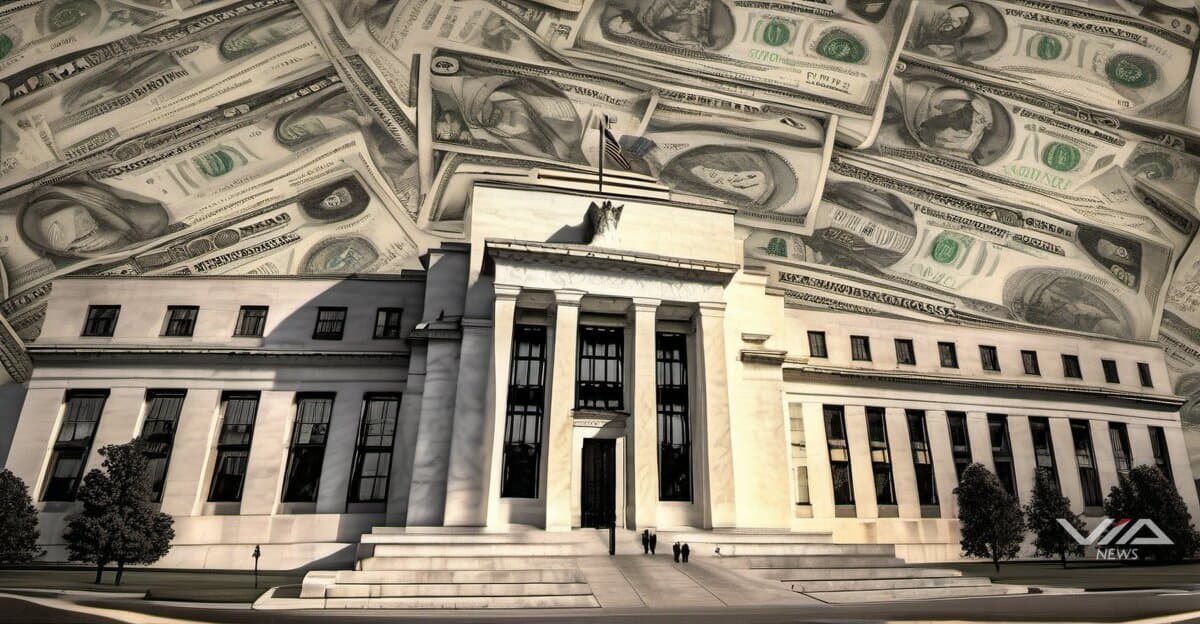
The Federal Reserve will pause rate cuts by early 2026 with 82% confidence, halting an easing cycle that began in 2024. The decision reverberates globally as the dollar's dominance makes Fed policy a de facto anchor for central banks from Frankfurt to Tokyo.
Three factors drive the pause. Inflation threatens to breach the 2% target despite earlier cooling. US economic growth outpaces forecasts, reducing stimulus needs. Financial stability concerns emerge as prolonged low rates inflate asset valuations across markets.
International implications extend beyond American borders. The European Central Bank and Bank of England face diverging pressures—cutting rates to stimulate sluggish economies while monitoring Fed moves that strengthen the dollar and import inflation. Emerging markets from Brazil to South Africa confront capital outflows as higher US rates attract investor funds.
Banking sectors worldwide must recalibrate. European lenders already squeezed by negative rates gain breathing room as margins stabilize. Asian banks serving export economies face tighter lending conditions as dollar funding costs rise. Cross-border lending markets reprice risk as currency volatility increases.
Corporate borrowers globally rush to secure financing. Multinationals that delayed bond issues anticipating cheaper rates accelerate issuance before costs firm. Mortgage markets from Canada to Australia adjust as rate expectations shift, cooling property demand in overheated cities.
Credit markets signal uncertainty through yield curve movements. US Treasury rates influence sovereign debt pricing worldwide—a pause would stabilize short-term rates while long-dated bonds reflect inflation fears. Developing nations with dollar-denominated debt face higher refinancing burdens.
This pause differs from 2019's mid-cycle adjustment. It arrives amid coordinated fiscal expansion across G7 economies, persistent supply chain disruptions, and geopolitical tensions from Ukraine to Taiwan. Central banks lack the synchronized easing that defined previous decades.
Fed Chair Jerome Powell's statements carry outsized global weight. Currency traders in London, bond desks in Hong Kong, and treasury departments in São Paulo parse FOMC minutes for timing signals. Market volatility typically spikes during US policy transitions as international capital repositions across asset classes and borders.