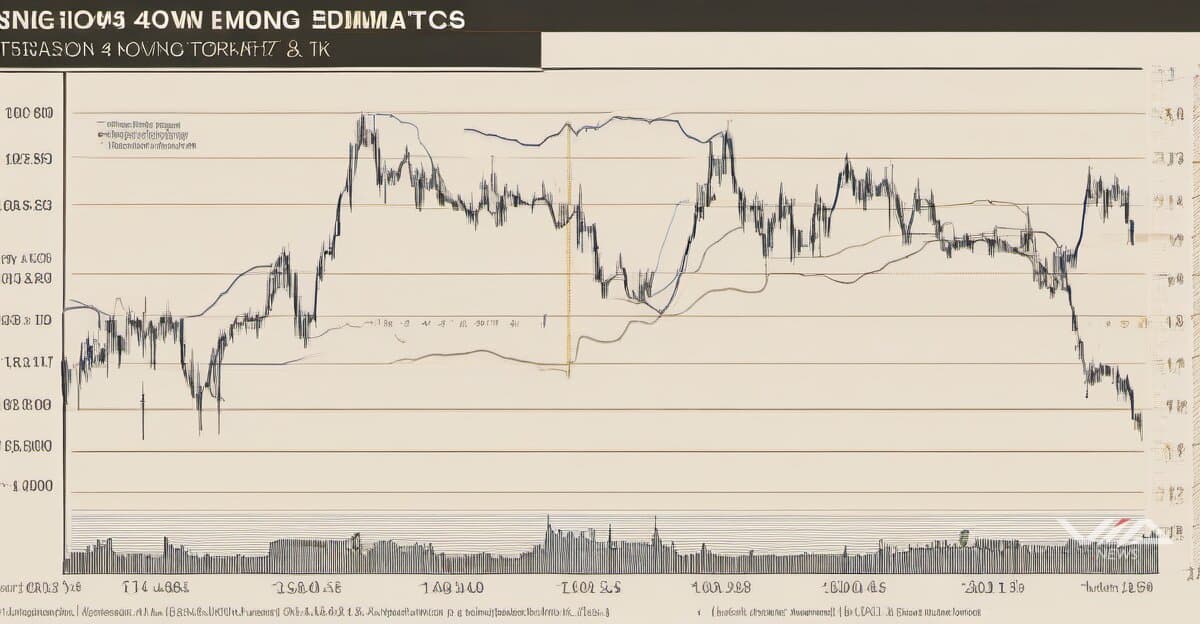
U.S. 10-year Treasury yields crossed 4.34% on May 12, rising from 3.97%1 — a move that resets the global discount rate embedded in every equity valuation model worldwide. Because U.S. Treasuries serve as the universal risk-free benchmark, the repricing extends far beyond American markets.
The pain concentrates in high-PEG stocks: companies priced on earnings years into the future. When the risk-free rate rises, those distant cash flows lose present value. The effect is mathematical, not regional.
The cross-border pattern was visible on May 12. Montreal-headquartered Lightspeed Commerce (LSPD) fell 5.58%1 on a day the broader market gained. São Paulo-founded CI&T has underperformed the S&P 500 year-to-date1. U.S.-based Autodesk dropped 3.45%1. No company-specific news drove any of these moves — rate pressure did.
The PEG ratio measures the premium investors pay per unit of future growth. Dick's Sporting Goods carries a PEG of 3.21; Booz Allen Hamilton sits at 4.451 — both well above industry norms. At 3.97% yields, both were defensible. At 4.34%, the math changes.
The 10-Year Constant Maturity Rate moved from 4.29% to 4.34%1, confirming sustained pressure rather than a single-day spike. European growth stocks, Asian tech firms, and emerging market software companies face identical pressure on their DCF models — the risk-free rate they are discounted against has shifted.
The market split is clean. Value stocks with near-term earnings and low PEG ratios are relatively insulated. Long-duration growth names — software, AI infrastructure — absorb each basis point rise as a direct valuation haircut.
For global investors, 4.3% functions as a structural threshold. Above it, the divergence between rate-sensitive growth stocks and the broader index accelerates. That level is now in the past.
Portfolio construction that ignores duration risk in equity positions — not just bond positions — is the central error of this rate environment. For growth-oriented holdings anywhere in the world, it has become the primary risk.