
US Social Security's trust fund will become insolvent by 2032 under the One Big Beautiful Bill Act, forcing 33% benefit reductions for 67 million recipients. The legislation cuts $1.1 trillion from healthcare spending while reducing federal revenue through tax relief, creating a fiscal timeline that puts the US on track for entitlement restructuring unseen in major developed economies.
The Congressional Budget Office projects 11.8 million Americans will lose health insurance by 2034 through Medicaid cuts. Only 24% of Social Security recipients benefit from reduced taxable income under the law, according to the Center for Budget and Policy Priorities.
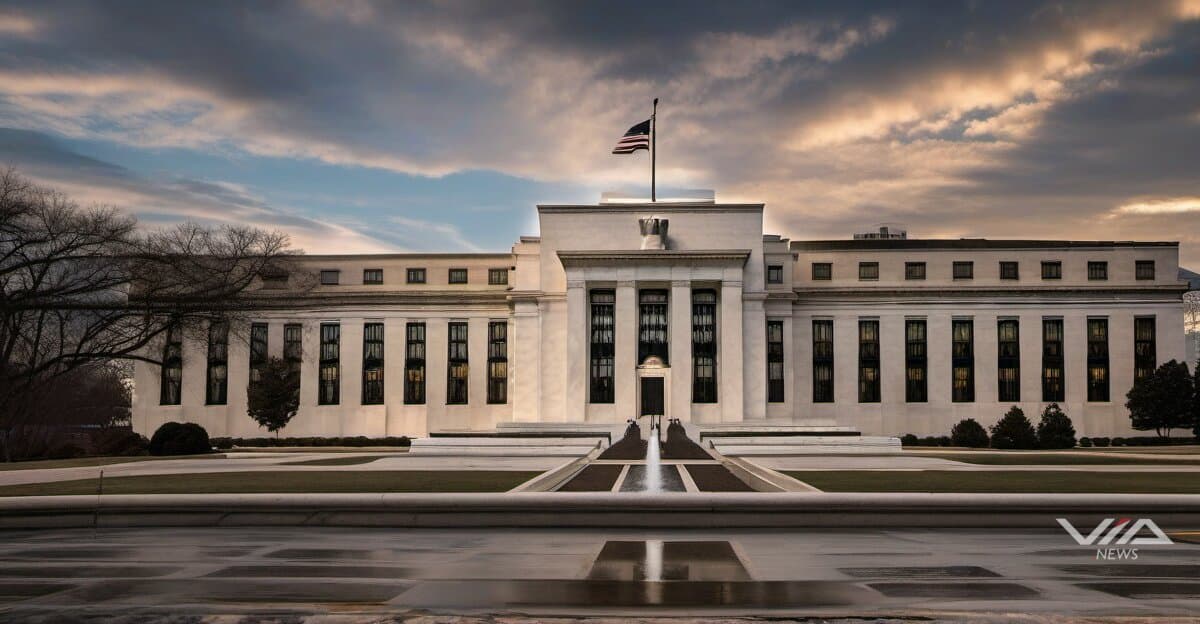
Fed Chair Jerome Powell's term expires May 2026, creating what Brookings Institution analyst David Wessel calls "an existential moment for the Fed in our democracy." The timing threatens central bank independence in the world's primary reserve currency issuer, with implications for global monetary policy coordination and dollar stability.
Bond markets are pricing sovereign risk as the US government faces twin pressures: expanding deficits from tax cuts and accelerated mandatory spending obligations. Unlike European pension systems with higher contribution rates or Asia-Pacific nations with sovereign wealth buffers, the US combines low taxation with unfunded entitlement promises.
Global financial institutions hold $7.6 trillion in US government securities, with exposure concentrated in Japanese, Chinese, and European banks. The 2032 insolvency timeline gives markets six years to price Social Security restructuring, but uncertainty around Fed leadership could trigger earlier repricing events affecting international capital flows.
Healthcare sector cuts compound systemic risk as Medicaid reductions force operational restructuring across hospital networks and insurance providers. The policy convergence creates cascading effects: reduced government revenues, accelerated fund depletion, potential central bank politicization, and market volatility that extends beyond US borders through integrated financial markets.
The US joins a global pattern of aging democracies struggling with pension sustainability, but remains uniquely positioned as both reserve currency issuer and political risk source. Markets await Fed leadership signals while institutional investors recalibrate positions ahead of potential entitlement program overhauls.