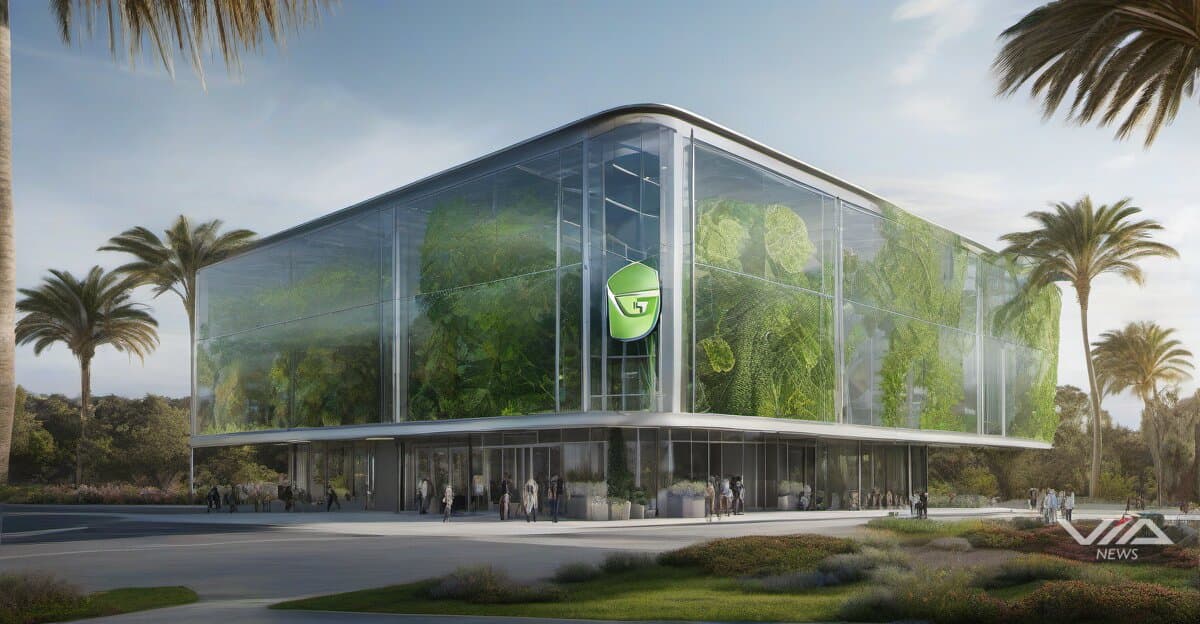
NVIDIA's BioNeMo platform has been adopted by Eli Lilly and Thermo Fisher Scientific, extending its reach into the global pharmaceutical sector's AI-driven drug discovery efforts.1
The platform provides pre-trained AI models for protein structure prediction, molecular generation, and biological sequence analysis. Eli Lilly is integrating BioNeMo into research operations, while Thermo Fisher is embedding the technology into laboratory automation systems.1 This marks NVIDIA's shift from standalone GPU sales to integrated biotech solutions.
The pharmaceutical industry worldwide is investing heavily in AI to reduce drug development timelines that typically exceed ten years. Computational screening eliminates non-viable compounds earlier in the research pipeline, potentially saving billions in late-stage failures that occur across markets from North America to Europe and Asia.
BioNeMo allows researchers to simulate drug interactions and predict compound effectiveness before physical testing. Thermo Fisher's adoption extends the platform into laboratory equipment, potentially automating experiment design and execution. This integration connects computational predictions directly to physical testing workflows.
The platform competes with biotech-native AI systems emerging from companies developing proprietary foundation models. This creates a dual market where NVIDIA supplies infrastructure while pharmaceutical firms evaluate whether to build internal AI capabilities or license external platforms—a strategic question facing major drugmakers globally.
NVIDIA's strategy mirrors its approach across sectors: provide underlying AI infrastructure while customers build applications. In biotech, this means offering models trained on molecular data that companies can customize for specific therapeutic areas, from oncology to rare diseases.
The life sciences expansion diversifies NVIDIA's revenue streams beyond data centers and autonomous vehicles. Pharmaceutical AI represents a growing market as companies from Basel to Boston to Bangalore seek to improve research productivity through machine learning. The partnerships signal how AI infrastructure is reshaping traditional industry boundaries in global healthcare innovation.