
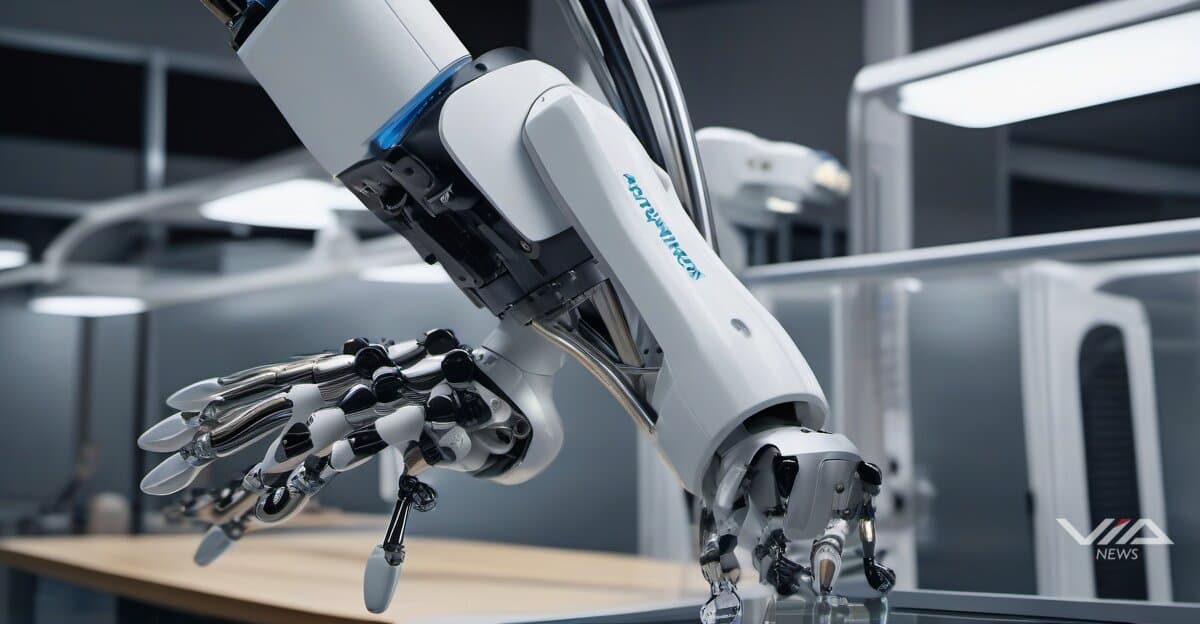
Intuitive Surgical gained regulatory clearance for its da Vinci 5 surgical robot in Europe and Japan, opening access to markets representing $2.3 billion in combined annual spending. The company beat Q4 earnings forecasts while installing 415 systems globally during the quarter, up 22% from Q4 2025.
European CE Mark approval covers all 27 EU member states plus Norway, Iceland, and Liechtenstein. Japan's PMDA clearance followed a 14-month review including clinical data from 847 procedures across 12 specialties. The da Vinci 5 introduces force feedback and enhanced imaging unavailable in earlier generations.
Intuitive's installed base now exceeds 9,200 systems across 71 countries. Procedure volumes grew 17% year-over-year in Q4, led by thoracic surgery and gynecology applications. Each da Vinci 5 system generates $80,000-$120,000 in annual recurring revenue from instruments and services.
Healthcare systems worldwide are increasing surgical robotics budgets as post-pandemic procedure volumes recover. U.S. hospitals raised robotics spending 31% in 2025, according to ECRI Institute. European and Asian markets are following as reimbursement policies expand to cover robotic-assisted procedures.
Competition is intensifying across regions. Medtronic's Hugo system captured 8% global market share since launching in 2023. CMR Surgical's Versius platform operates in 85 hospitals across Europe and Asia. Johnson & Johnson discontinued its Ottava program in January 2026, citing technical challenges in autonomous navigation.
The da Vinci 5 includes AI-powered tissue classification and automated suturing assistance. Clinical trials showed these features reduce procedure times 12-18% under surgeon oversight. Both European and Japanese regulators mandated post-market surveillance to monitor autonomous system performance in real-world settings.
Intuitive projects international revenue will grow 28-32% annually through 2027 as newly approved markets scale adoption. The dual regulatory wins position the company to defend market leadership as global competitors accelerate development timelines.