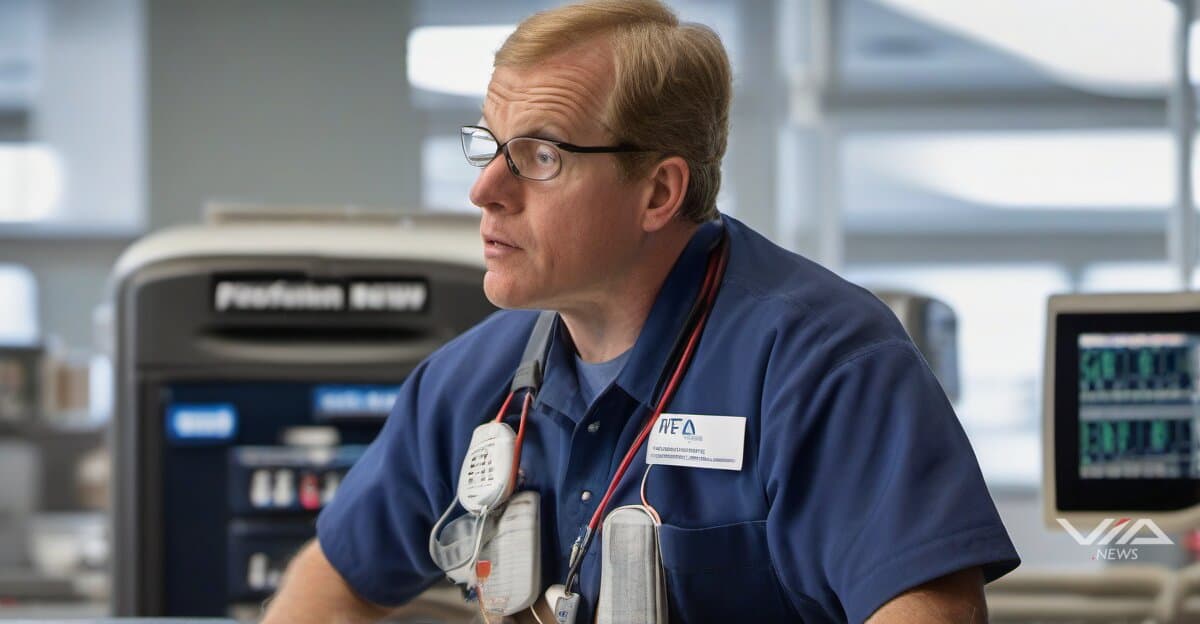
A rival wearable cardioverter defibrillator (WCD) maker has received an FDA warning letter, according to a risk assessment tied to Kestra Medical Technologies.1 Kestra's management believes the letter targeted the competitor's other operations, not its WCD division.1
The disclosure still signals category-wide risk for a device class regulated similarly across major markets, including the US FDA, the EU's Medical Device Regulation regime, and other national health authorities that often watch US enforcement trends. Kestra's sole commercial product, ASSURE, competes directly in this scrutinized category.1 The risk is rated "major" in severity with "low" likelihood.1
Kestra depends on continued FDA clearance for algorithm and product updates to ASSURE.1 With only one commercial product, any slowdown in US review pace or tighter enforcement carries outsized weight, a dependency global device makers with diversified portfolios can better absorb.
Brian Webster, Kestra's founder, president, CEO and director, leads the company through this environment.1 Webster built ASSURE into Kestra's core offering, tying near-term prospects closely to FDA's posture toward the broader WCD category.1
Warning letters directed at one company in a medical device category often prompt regulators to apply closer review to peer products worldwide, even absent a direct citation. Health authorities outside the US frequently reference FDA actions when assessing their own device approvals, meaning US scrutiny can ripple into other regulatory jurisdictions.
For Kestra, that dynamic raises the stakes on future submissions covering ASSURE algorithm updates or product iterations. Any perceived slowdown in FDA turnaround times, or tighter review standards across the WCD category, could affect Kestra's position against rivals with broader, more geographically diversified product lines.
The assessment characterizes the risk as low likelihood but major severity, reflecting a scenario where regulatory friction is not expected imminently but would have outsized consequences for a single-product company.1 International investors tracking Kestra will watch whether FDA's posture toward the competitor's warning letter extends into broader category-level enforcement, a trend with implications beyond the US market.