
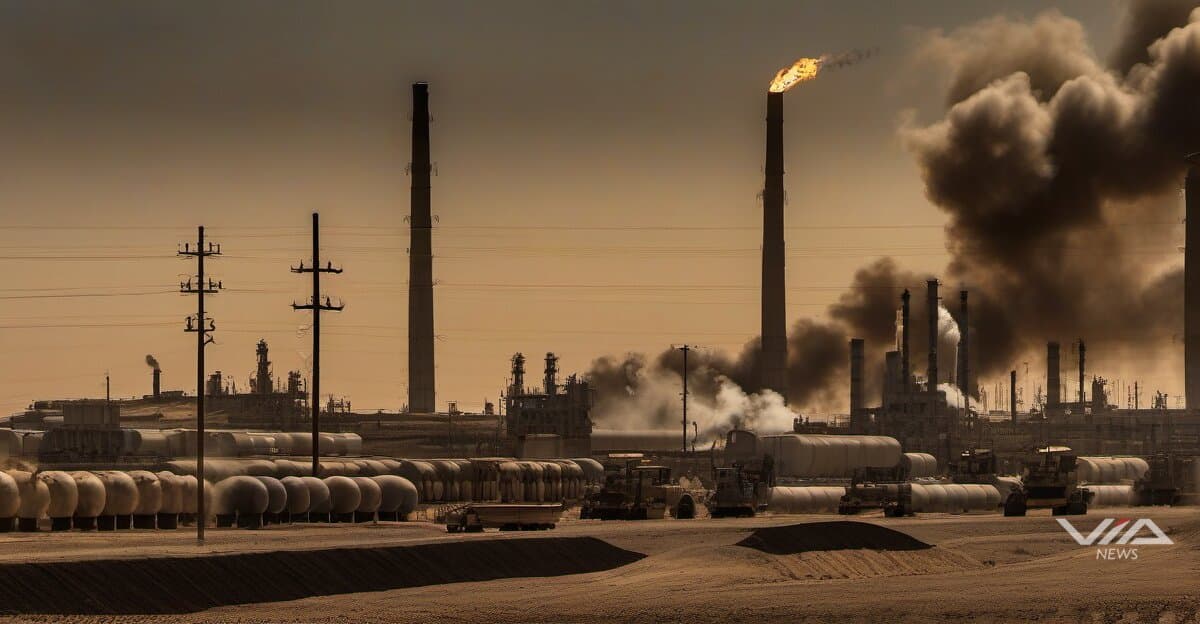
Iranian military strikes on energy infrastructure sent European natural gas prices surging 85%, pushing oil above $80 per barrel and triggering market selloffs from Seoul to New York. Korean markets plunged 12% while the S&P 500 declined 2.5% as energy shocks combined with Federal Reserve policy uncertainty.
Banks across Europe, Asia, and North America face compounding risks. Energy credit exposure creates immediate stress as volatility spikes, while proposed Fed-Treasury coordination threatens to upend how financial institutions manage $7.7 trillion in liquidity and capital requirements globally.
The proposed Fed-Treasury accord would synchronize the central bank's balance sheet reduction with government debt issuance. "Rather than insulating the Fed, it could look more like a framework for yield-curve control," said Tim Duy, noting the shift would create explicit fiscal-monetary coordination unprecedented in modern Fed history.
Former Fed Vice Chair Richard Clarida outlined coordination between the Fed, Treasury, and housing agencies Fannie Mae and Freddie Mac to shrink the balance sheet. This would fundamentally alter funding markets that banks from Tokyo to London rely on for daily operations.
European banks face acute vulnerability given their concentration in gas-dependent economies. German and Italian financial institutions with energy company debt must reassess default probabilities as prices spike. Asian banks with oil and gas credits face similar stress tests.
Michael Ball projects that mapping Fed balance sheet reduction to Treasury debt plans could prevent "accidental tightening of financial conditions." However, international banks would need to recalibrate risk models for a regime where U.S. central bank liquidity becomes tied to government financing—a shift with global implications given the dollar's reserve currency status.
Investment portfolios worldwide face duration risk if yield-curve control emerges. Fixed-income strategies from Singapore to Zurich built around Fed independence would require revision, potentially triggering rebalancing that amplifies market dislocations from the energy crisis.
The dual crisis creates feedback loops across continents: energy volatility increases demand for policy clarity, while policy uncertainty prevents effective risk pricing in energy markets. Banks must simultaneously stress-test for extended energy disruption and prepare for a monetary regime shift that could materialize within months.