
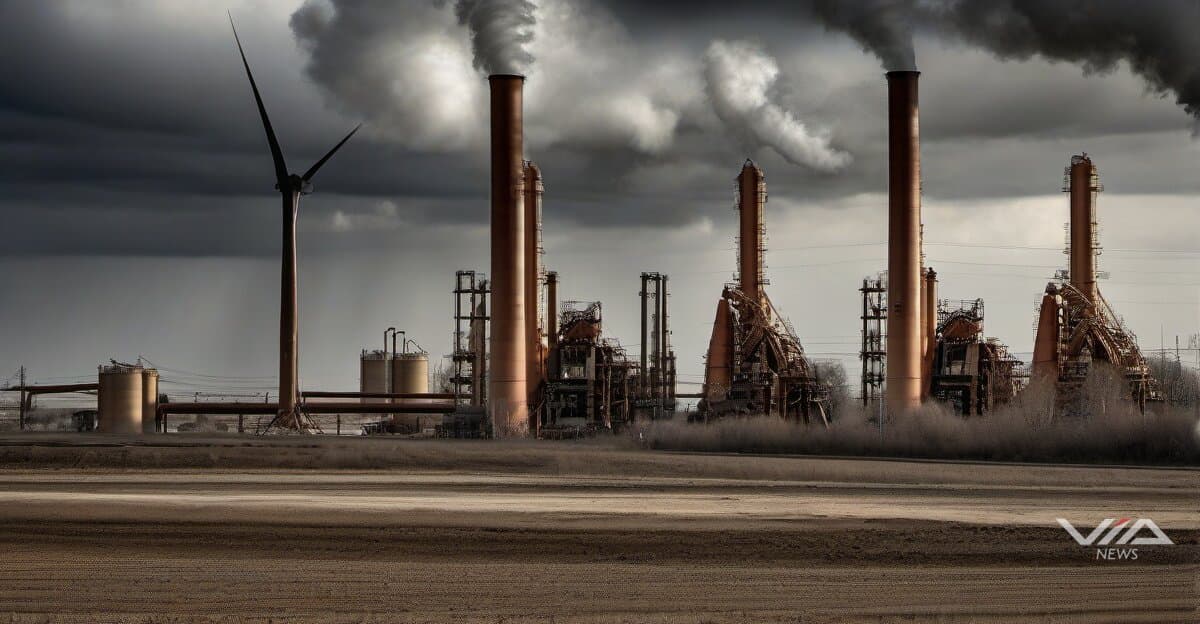
Iranian strikes on energy infrastructure spanning nine countries sent European natural gas prices surging 85% while crude oil climbed 8% above $80 per barrel, forcing central banks worldwide into a stagflation trap.
Wall Street's S&P 500 fell 2.5% while Seoul's Kospi crashed 12% as global investors priced in simultaneous inflation and recession risks. Bond yields rose on inflation fears even as equity selloffs signaled economic contraction concerns across major markets.
The Federal Reserve now confronts an impossible choice facing central banks from Tokyo to Frankfurt: tighten policy to combat energy-driven inflation or ease to stabilize crashing markets. Supply shocks deliver both problems at once, rendering traditional monetary tools ineffective.
Former Fed Vice Chair Richard Clarida proposed a coordination framework for the central bank to work with Treasury and mortgage agencies Fannie Mae and Freddie Mac to reduce its $7 trillion balance sheet without triggering accidental financial tightening. The proposal revives debates about central bank independence not seen since Europe's sovereign debt crisis.
Strategist Michael Ball argues synchronized Fed balance sheet reduction with Treasury debt issuance would provide market clarity on liquidity conditions. "If Treasury issuance and the Fed's balance sheet path is steady and credibly telegraphed over the long term, accidental tightening can be avoided," Ball said.
Former Fed economist Tim Duy warns the accord risks yield-curve control similar to Bank of Japan policies that subordinated monetary independence to fiscal needs. "A public agreement synchronizing the Fed's balance sheet with Treasury financing explicitly ties monetary operations to deficits," Duy said.
The 1951 Fed-Treasury Accord freed America's central bank from financing government debt after World War II, establishing the independence model adopted globally. A 2025 reversal would occur as deficits climb and inflation resurges worldwide.
Energy markets remain the critical variable. Natural gas futures price sustained supply disruptions through Northern Hemisphere summer, keeping inflation elevated regardless of monetary policy. Central banks cannot fix bombed pipelines with interest rates.
Investors watch whether Fed Chair Jerome Powell addresses coordination proposals at the March meeting. Any signal of Fed-Treasury cooperation could trigger bond volatility as markets reassess central bank independence globally, from the European Central Bank to the Bank of England.
The crisis tests whether independent monetary policy survives simultaneous supply shocks and financial instability. History from Latin America's debt crises to Asian financial contagion suggests governments subordinate central banks during emergencies.