

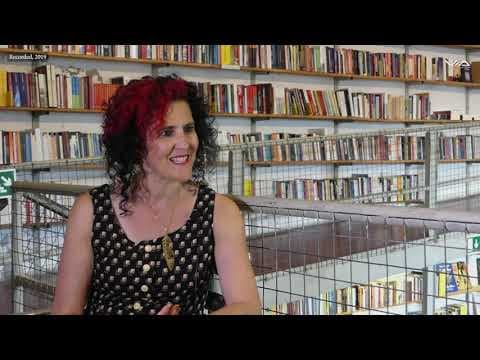
Businesses that create only economic value will not last, according to Benita Matofska, author of Generation Share. Speaking to Via News in Lisbon, she argued that the sharing economy is the model that companies will need to adopt. "Businesses can no longer only create economic value, they have to be creating environmental and social value and actually if they're not, they're not going to survive."
Asked what kind of business would endure, she said those that take on what she called a sharing economy mindset. In her view the shift is driven by pressing issues such as climate change, which she said are rightly moving up the agenda, and by people looking for longer-lasting answers rather than short-term fixes.
A decade of growth, and what comes next
Matofska described the sharing economy as a model that is now ten years old. "The sharing economy is actually celebrating its 10th birthday and it was born out of the global economic crisis of 2008-09." She said it came from the need to do more with less, and that the last decade has brought a large boom.
That growth, she told Via News, has so far concentrated on the economic side. She expects the emphasis to widen. "Now of course the sharing economy is also about environmental value and social value and so where I see the sharing economy is heading is that we're going to start to see the kinds of applications that we've seen in a commercial context we're going to see those applied to create benefit for people and for the planet."
Asked whether the sharing economy could help in a downturn, she described it as being about building a long-term sustainable economy, one that counts economic, environmental and social value together.
Entrepreneurs at the centre of the book
Generation Share, she said, is a book about the change makers building this economy. It features entrepreneurs, micro entrepreneurs and social entrepreneurs who have turned ideas into reality while caring for people and planet. Among the examples she gave were networks of clinics supporting people without access to medical care, fashion libraries, apps that tackle food waste and homelessness, and a crowdfunding platform set up to address homelessness.
Food waste, she said, shows the logic of sharing. "we know for example we have enough food in the world to feed everybody who is currently hungry but what we need to be doing is sharing". She said these business minds are applying their skills to pressing problems in a positive way, and that the book is meant to show that this is possible.
She presented sharing as something open to everyone. "we all have the capacity to share because although our planetary resources may be limited and finite our potential to share is unlimited". She called the book one of hope and inspiration at a time of challenging political conditions, and said that changing the world means changing the narrative by showcasing positive stories.
Why Portugal, and how to find a publisher
Matofska said the project's first trip was to Lisbon, where she and the book's co-creator and photographer interviewed and photographed a skill sharer for one of the stories. The Lisbon event, she said, was launch number 19 on a tour that had already taken in Paris, Amsterdam and Barcelona. One reason for coming back was that the sharing economy is booming in Portugal, with many change makers there embracing sharing through their businesses. Two of them were due to tell their stories at the launch.
On publishing, she said that getting a book out is difficult, but that anyone with a passion and an important story will make it happen. Her team weighed self-publishing and rejected it. "there is self-publishing and the reason that we chose not to go down that route is because we wanted Global distribution we wanted to reach mainstream audiences and so it's about finding the right publisher for your book".
They chose Policy Press, which she described as an ethical publisher of books about social change. She said the book is made from waste materials, and that each copy sold funds and educates a girl in the slums in Mumbai and plants a tree. She advised authors who self-publish not to underestimate how long it will take or how difficult it will be. For those seeking a publisher, she said, the test is whether its other titles match your own values. "if you find the right fit as we did in the case of Policy Press then there's really no end to where you can take your book".
Watch the full interview
Interview by L. Miguel Salvado for Via News.