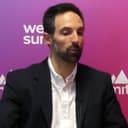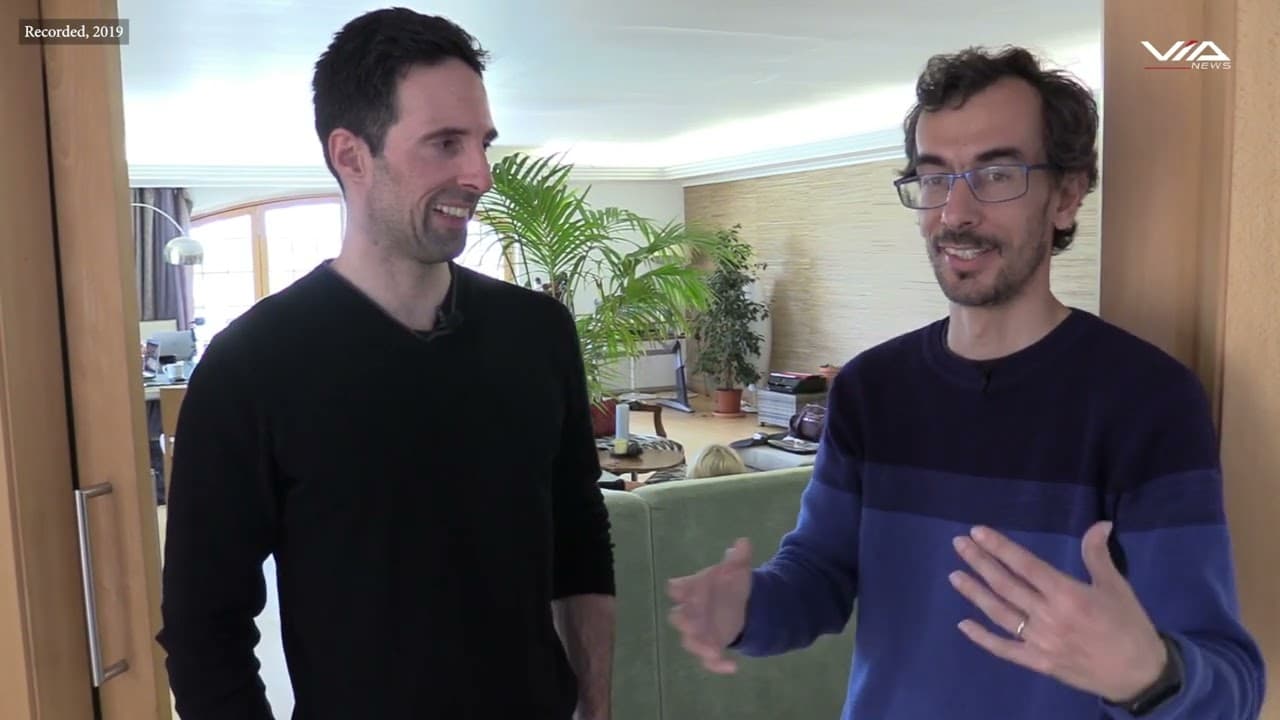
Pedro Santos, CEO and founder of Darwinlabs and co-founder of BETA-I, has a blunt message for founders who see venture capital as the first goal: build a business that works first. In an interview published by Via News on 30 November 2023, he said funding follows traction, not the other way round.
Asked what advice he would give young entrepreneurs focused on getting funded rather than on sales, Santos began with "Don't do that." He argued that a working company is also the quickest route to investment. "I would say that it's much more important for an entrepreneur to be focused on getting the business side working than on getting funding."
If you have a working business and you get a bad investment proposal, you can just say to the proposal, next.
The reverse, he said, leaves a founder weak at the negotiating table. "If the business is not working, you're depending on the proposal to survive." His advice was to find a model that can survive without outside money and to raise funding afterwards.
A bootstrapped software company
Santos practises what he describes. He founded Darwinlabs five years ago as a software development company that does consultancy for clients in Northern Europe and North America. It is fully bootstrapped, which he said surprised people, given how much he knows about investment. He sits on an investment board and helped create a fund.
He told Via News that his knowledge of how venture funds work is the reason he stayed away from them. "I know that if I would raise money, I would be head to head against their interests." Funds look for profit, growth and scale, he said, and that was not what he wanted. "I wanted to create a company that can generate its own spinoffs." He described Darwinlabs as his own personal R&D lab: a company big enough to generate revenue, which then funds products that can be spun off and raise money of their own.
Santos started the company alone, as its first employee and consultant. It now has 30 people and counts Airbus, Colliers and JLL among its customers.
On smart money, meaning investors who bring contacts and not just cash, he said it can make a large difference and is the competitive advantage of places like San Francisco. He said Portugal still lacks it, but expects more as his generation and the previous one exit and sell businesses. He added that the wrong kind of backer can be just as damaging.
Why headquarters leave Portugal
Santos also spoke about the ecosystem he helped build. He said that when he returned to Portugal around 2010 there was almost nothing, and that BETA-I began by organising events such as Startup Weekend and BETA-talks before narrowing its focus to acceleration and funding. It is now centred on an accelerator with an associated investment fund, and also runs vertical accelerators for large corporations.
He described Lisbon as being in fashion today, citing the arrival of large corporations and big startups. But he warned that companies coming to the city often treat it only as a talent pool, with its software engineers and UX designers, while headquarters sit elsewhere. The same is true of Portuguese founders, he said, who register companies in places such as Delaware or London. "We have to make some changes to the model so that the headquarters are here."
He named two obstacles. One is corporate tax, together with rules that change from time to time and make foreign investors nervous. The other is the justice system, where he said a court case can take more than 10 years. For investors and founders that is a deterrent: "if I don't trust the justice system, I don't want my company to be there, right?" He also said authorities need to understand how startups work and adapt the rules accordingly. He saw no regulation on the way, saying "Unfortunately, no."
Despite those problems, Santos remains positive about the outlook for the Portuguese ecosystem over the next five to 10 years, and expects it to keep growing.
Watch the full interview
Interview by L. Miguel Salvado for Via News.