
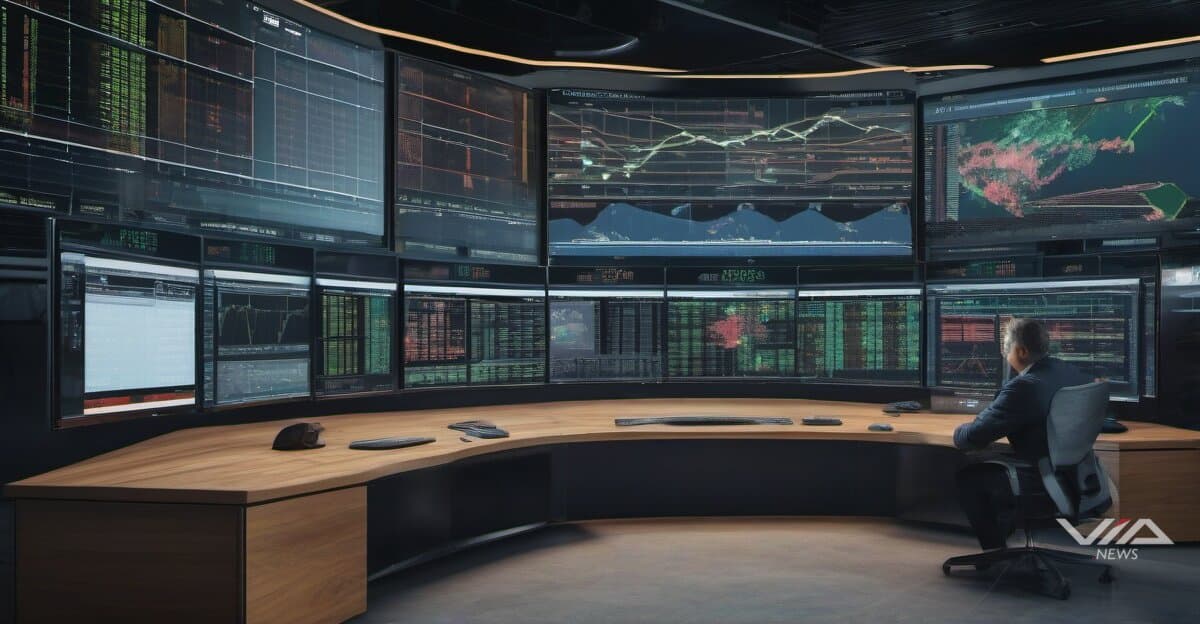
Stellar Trading Systems completed connectivity integration with Abaxx Exchange on November 30, 2025, establishing its seventh commodity exchange link across Asian, Middle Eastern, and North American markets. The network now includes Thailand Futures Exchange, Dubai Gold and Commodities Exchange, Multi Commodity Exchange of India, US-based Comex, Shanghai Futures Exchange, Tokyo Commodity Exchange, and Singapore-headquartered Abaxx.
The integration brings Stellar's automated trading suite—Quantum Server, MarketMaker, spreadMachine, and Server API—to Abaxx's commodity platform. Abaxx Exchange operates USD-denominated gold futures contracts backed by Singapore-based Abaxx Spot, targeting institutional traders seeking algorithmic execution in precious metals markets.
Cross-continental exchange connectivity enables algorithmic traders to execute unified strategies across time zones and regulatory jurisdictions through single infrastructure. Stellar's Quantum Server routes orders across Asian morning sessions, Middle Eastern mid-day trading, and American afternoon markets without manual intervention. The spreadMachine product executes inter-commodity spread strategies spanning Shanghai copper and Comex gold simultaneously.
Infrastructure integration patterns signal commodity market shift from manual to automated execution. Dubai and Singapore exchanges prioritize algorithmic connectivity to compete with established Chicago and New York venues. Asian exchanges including Thailand and India attract international algorithmic traders through infrastructure provider partnerships.
Stellar's Server API permits third-party developers globally to build custom algorithms accessing all seven exchanges. This open architecture contrasts with closed proprietary systems prevalent in traditional commodity trading. European and North American quant firms can deploy strategies across Asian commodity markets without establishing local infrastructure.
Trading infrastructure connectivity historically precedes algorithmic volume increases. Exchanges integrating with providers like Stellar typically observe measurable automated activity within months. Volume data from newly connected Abaxx and Thailand exchanges will test whether infrastructure availability drives algorithmic adoption across different regulatory environments and market structures.
The seven-exchange network positions algorithmic traders to capture arbitrage opportunities across regional markets with varying liquidity profiles and trading hours. Gold futures traded on Dubai, Tokyo, and Abaxx exchanges create cross-market pricing inefficiencies exploitable through automated execution infrastructure.
Sources:
1 Yahoo Finance, "Indian rupee, bonds set to extend rough patch as Mideast war enters fourth week" (March 23, 2026)
2 Globe Newswire, "Indiaspora Releases Groundbreaking Report ‘India and its Diaspora: Partners in Progress’, Highlighti" (March 23, 2026)
3 News Report, "Copper dips as energy spikes and geopolitical risks weigh" (March 09, 2026)
4 Yahoo Finance, "Exchanges Scramble to Contain Retail Speculation As Metals Become China’s Hottest Trade" (February 15, 2026)
5 Yahoo Finance, "Abaxx Joins Singapore Bullion Market Association" (March 19, 2026)