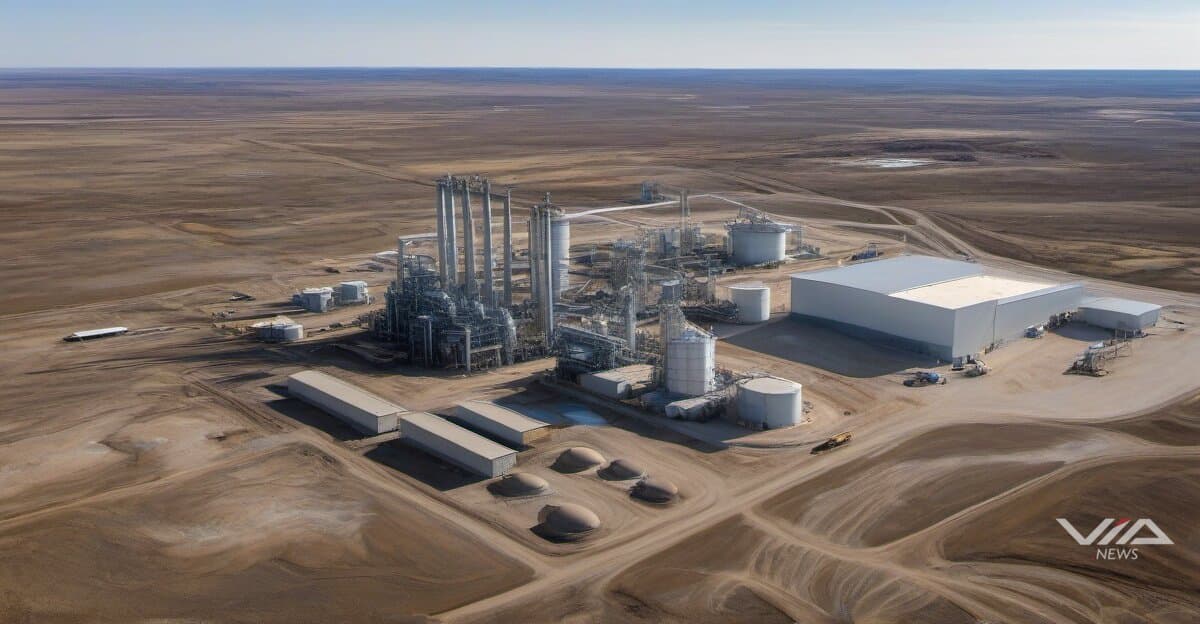
Saskatchewan Research Council expects its vertically integrated rare earth processing facility to begin full operations by the end of 2029, positioning Canada in the Western alliance's push to reduce dependence on Chinese rare earth supply chains.1
China currently controls approximately 70% of rare earth mining and 90% of refining capacity globally. This dominance has driven North American, European, and Australian governments to fund domestic processing alternatives for the 17 metallic elements essential to permanent magnets, batteries, and precision-guided weapons.
The Saskatchewan facility will handle complete processing domestically—from initial separation through final refinement—at a single location. Most Western rare earth projects rely on Chinese refineries to process mined concentrates, creating supply chain vulnerabilities that vertical integration eliminates.
Canada holds rare earth mineral deposits but lacks significant processing infrastructure. The Saskatchewan Research Council, a provincial Crown corporation, represents Ottawa's entry into a processing sector where few Western facilities operate at commercial scale.
Pentagon procurement requirements increasingly mandate domestically processed rare earths for U.S. defense contractors. The 2029 timeline reflects technical complexity: rare earth elements occur together in ore deposits with similar chemical properties, requiring specialized separation equipment and expertise.1
Electric vehicle manufacturers across North America, Europe, and Asia require neodymium and dysprosium for motor magnets. Wind turbine generators use similar materials. Global demand continues rising as countries electrify transportation and expand renewable energy capacity.
The facility's operational launch three years out would serve growing North American demand while contributing to Western supply chain diversification. Australia operates the only major non-Chinese rare earth processing facility currently, with Malaysia hosting Chinese-owned refineries that process Australian concentrates.
Vertical integration at the Saskatchewan site provides complete supply chain visibility from processing to delivery, reducing geopolitical risks inherent in multi-country production networks that ship materials between continents for different processing stages.