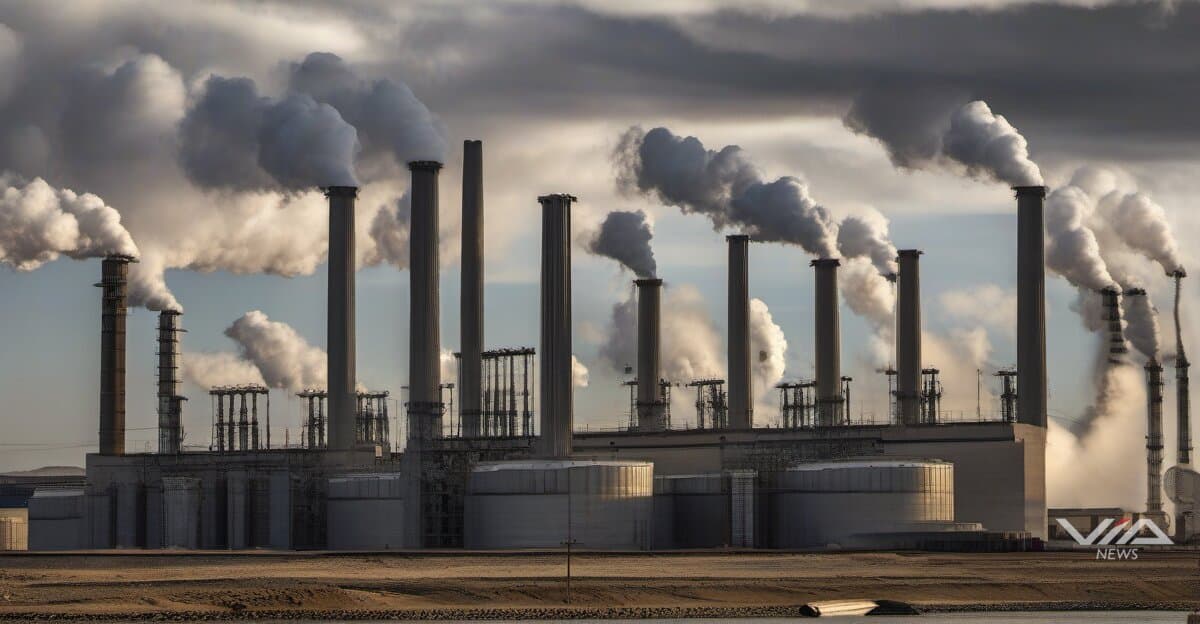
The European Central Bank may adjust interest rates in April if energy prices stay elevated, ECB policymaker Madis Muller stated, as Middle East geopolitical tensions drive oil prices up more than 3%.1 The potential emergency action highlights diverging central bank strategies across major economies.
Only 0.2% of interest rate traders expect Fed rates to drop to 3.25-3.5% by end-2026, down sharply from December when CME FedWatch polling indicated expectations for two rate cuts in 2026.2 Markets now price a 64% probability the Fed holds rates unchanged through year-end.
ECB Executive Board member Olaf Sleijpen reinforced the bank's readiness to act if needed to keep inflation at target.3 Europe's heavier reliance on imported energy makes it more vulnerable to Middle East supply disruptions than the United States, explaining the more aggressive ECB posture.
Energy-driven inflation poses a distinct challenge globally. Unlike demand-pull inflation that responds to rate increases, supply-side energy shocks can simultaneously trigger inflation and economic slowdown. Central banks must balance inflation control against overtightening into weakening economies.
The combination of elevated rates and volatile energy costs creates stress for energy-intensive industries worldwide and financial institutions with exposure to those sectors. Asia-Pacific economies with high manufacturing bases face particular vulnerability.
Central banks globally are building reserves as hedges. China's central bank extended gold purchases for 15 consecutive months through January 2026, reflecting broader concerns about currency stability and inflation protection.4 Similar reserve accumulation patterns appear across emerging markets from India to Brazil.
The coming months will test whether central banks can contain energy-driven inflation without triggering broader economic contraction. ECB rate decisions in April will signal how seriously policymakers view the energy price threat across developed economies.