

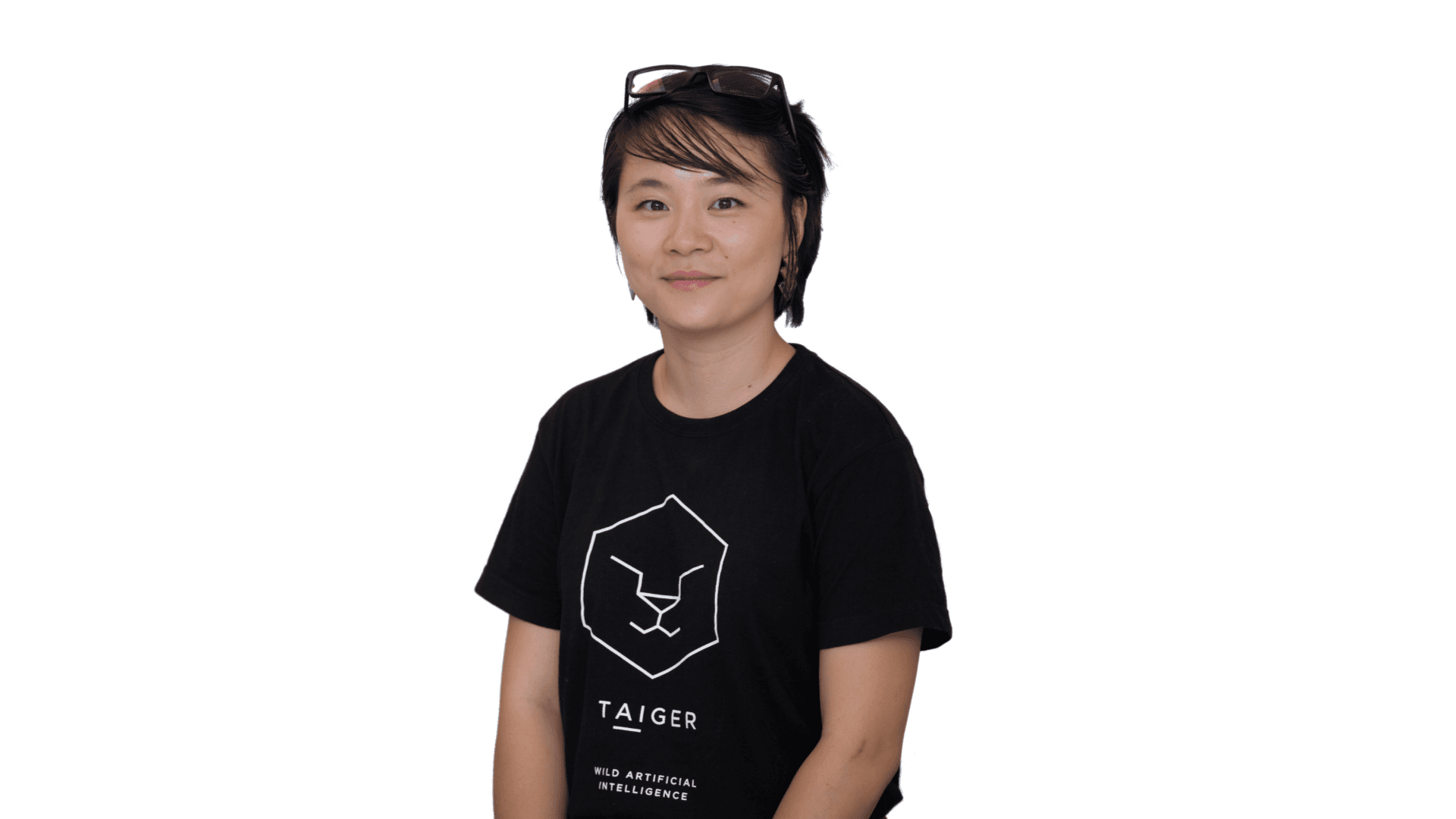
The coronavirus pandemic is accelerating the need for artificial intelligence solutions as the technology can help businesses run more nimbly and reliably, says a marketing manager at TAIGER, one of Asia's fastest-growing AI companies.
"Big companies are realizing that AI technologies can make them more flexible to adapt better to changes like the ones brought about by COVID-19," Elena Jin told Via News in an interview.
TAIGER (which is headquartered in Singapore with global offices in Dubai, Madrid, and Mexico City) develops advanced AI-engineered information access and extraction solutions that multiply enterprises' productivity and profitability. It is an official provider of AI technologies for the Singapore government.

Elena, whose area of focus is Latin America and Europe, says the outbreak has negatively affected their sales as their clients have sustained financial losses.
"But we think and have a lot of faith that interest in technology companies such as TAIGER, which specializes in automating tasks and making processes more efficient, will increase in the medium and long term."
Enhanced Efficiency
She argues that AI solutions not only reduce operational costs but also maximize human efforts without stifling creativity or critical thinking.
Elaborating further, she said one common use case is when people at an organization have to complete cognitive tasks that involve processing enormous amounts of complex and unstructured information.
Read more: What’s in Store for the Future of Freelancing?
AI solutions rid businesses of the need to do such repetitive tasks and help them save time for more important activities, Elena added.
According to her, the growth in online activity and the increase in remote working as a result of the coronavirus experience has led to more companies appreciating the importance of AI.
Global Market
A recent industry report by International Data Corporation, cited by Bloomberg, forecasts that global AI spending will increase to $96.3 billion in 2023 from $38.4 billion in 2019.
A Gartner survey of chief information officers and IT leaders, conducted in February, found that leading organizations expect to double the number of their AI projects within the next year, with over 40% planning to deploy at least one by 2021.
Asked about the changes introduced at TAIGER since COVID-19, Elena said they have migrated more of their work and communications online to make things more efficient.

She also said their company has launched a corporate social responsibility (CSR) campaign to give back to society and help businesses stand on their feet again during this testing time in history.
A blog post on TAIGER's website says that they have launched an AI-driven chatbot, 'Ask Phoebe', as part of a movement called #makehomesgreatagain to help people make better use of their time while staying at home with their families.
Read more: Video Game Industry Thriving While Production Faces Challenges
The chatbot offers social distancing-friendly activity ideas during the pandemic and helps businesses market their services.
"I encourage other startups and companies to help the society in these hard times," TAIGER's marketing manager added.
New Marketing Trends
On the new trends emerging in the world of marketing, Elena said many companies have started putting a bigger portion of their budget into promotion campaigns on digital platforms.
"They are mainly focused on making things digital, smarter, and more intelligent," she explained.
On the prospects for European startups, Elena said the short-term future does not look very promising for small and medium enterprises in Europe, especially those in the hospitality and travel industry. "But, in the medium and long term, we will see new startups, especially in the health sector, and a lot of new technology solutions that did not exist before COVID-19," she added.