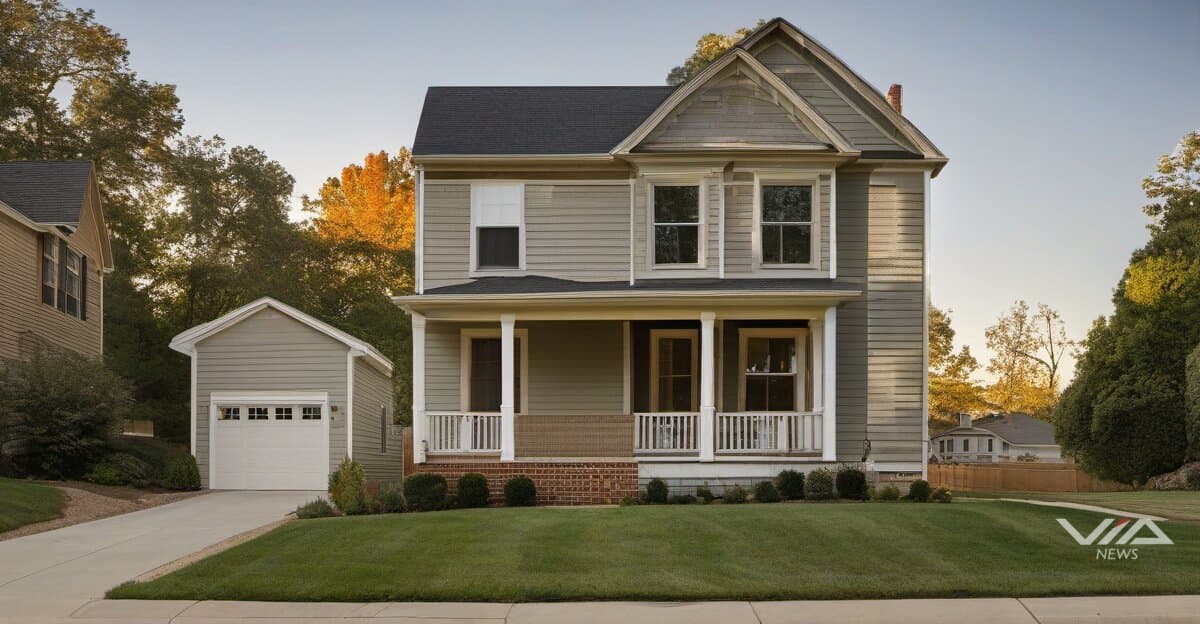
The median US home now costs $412,500, requiring annual income of $126,700 for standard mortgage approval—an affordability gap wider than comparable markets in the UK, Germany, or France. Middle-income Americans can afford just 21% of listed homes, down from 50% before the pandemic, according to National Association of Realtors data.
"Even with progress in affordability, middle income buyers can afford to buy just 21% of the homes currently available for sale," said Nadia Evangelou, NAR economist. The threshold excludes most median earners from homeownership in a pattern familiar to Sydney and Vancouver buyers but unprecedented in US housing cycles.
American banks now serve a bifurcated market. Equity-rich repeat buyers with sale proceeds dominate transactions while first-time buyers reach historic lows. European markets maintain higher first-time shares through state housing programs absent in the US system.
"The historically low share of first-time buyers underscores the real-world consequences of a housing market starved for affordable inventory," said Jessica Lautz, NAR chief economist. Unlike Singapore or Vienna, where public housing absorbs middle-income demand, US cities lack comparable supply mechanisms.
Financial institutions segment lending between conventional loans for high earners and government-backed FHA/VA products for qualified middle-income buyers. HUD-insured apartment financing with low fixed rates attracts long-term portfolio holdings, while shorter-duration project debt carries higher interest exposure.
The lock-in effect from pandemic-era sub-4% mortgages constrains inventory as homeowners resist selling. "We are seeing a little better condition for more home sales with more inventory and the lock in effect steadily disappearing," said Lawrence Yun, NAR chief economist. Life events increasingly force sales despite refinancing penalties.
Forecasts project 14% sales growth and 2-3% price gains in 2026, but affordability remains stressed. Banks must maintain portfolio growth while lending standards exclude most middle-income applicants. The required-to-median income gap reshapes competitive dynamics across mortgage products and government loan programs.