
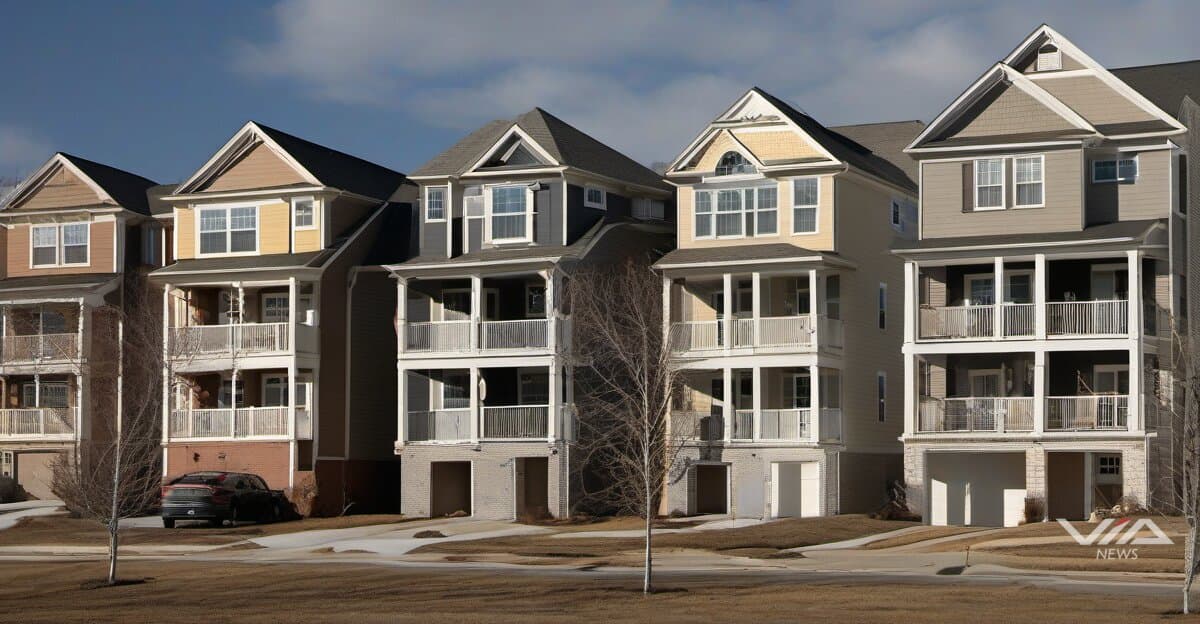
Middle-income homebuyers in the United States can afford just 21% of homes currently listed, down from approximately 50% before the pandemic, according to the National Association of Realtors. The median home price has hit a record $412,500, reflecting affordability pressures seen across developed economies from Canada to Australia.
"The historically low share of first-time buyers underscores the real-world consequences of a housing market starved for affordable inventory," said Jessica Lautz, NAR economist. The percentage of middle-income households meeting lending criteria for median-priced homes has fallen by more than half since 2019.
Market conditions show signs of easing. Economists project 14% growth in home sales for 2026 as inventory levels improve and the mortgage lock-in effect diminishes. "We are seeing better conditions for more home sales with more inventory and the lock-in effect steadily disappearing because life-changing events are making more people list their property," said Lawrence Yun, NAR chief economist.
Price appreciation is expected to moderate to 2-3% in 2026, down from recent double-digit gains. Wage growth is forecast to outpace both inflation and home price increases, gradually restoring affordability metrics—a pattern not yet evident in markets like Toronto, Sydney, or London where housing costs continue outstripping incomes.
First-time buyers remain largely sidelined despite stabilization signals. Down payment requirements and debt-to-income ratios keep entry-level buyers out even as conditions improve marginally for existing homeowners trading up. The challenge reflects a global phenomenon: OECD data shows housing affordability at multi-decade lows across member nations.
The lock-in effect—homeowners reluctant to sell and lose low mortgage rates—has kept US supply constrained since 2022. Life events including job relocations, family changes, and retirements are forcing more listings despite rate differentials. Regional variations remain significant, with affordability recovering faster in markets that saw the largest pandemic-era price spikes.
"Even with progress in affordability, middle-income buyers can afford to buy just 21% of the homes currently available for sale," said Nadia Evangelou, NAR senior economist. The metric underscores persistent challenges for mortgage lenders and signals continued headwinds for household formation rates—a demographic concern shared by policymakers worldwide.