MONTEVIDEO, Uruguay (ViaNews) - The legalization of Marijuana is a controversial subject, constantly making news headlines.
Debates on the use of Cannabis in the treatment of health conditions are no strangers to controversy either. When talking about its responsible use for medicinal purposes, good information is more relevant than ever, especially to those who might actually improve a health condition with the use of a cannabis-derived product.
A brief introduction of what you need to know:
Generally, there could be a small difference between Marijuana for recreational and medicinal purposes.
The first contains more THC (the ingredient in marijuana responsible for the high), than the CBD (Cannabidiol). Moreover, CBD does not act on the same receptors as THC. Unlike THC, it will not adversely affect your behavior, perception, or consciousness.
For several years, a variety of CBD products - extracts, vaporizers, nutritional supplements (capsules, drops, gums) - have been available in countries such as the United States of America. However, none of these products have ever been registered as a prescription drug.
Uruguay legalizes marijuana from production to consumption
In July 2017, Uruguay became the first country in the world to legalize Marijuana from production to sale, for recreational use.
Currently, only ten pharmacies are allowed to sell the product nationwide. A process followed and carefully monitored by the government itself. It´s limited to a restricted quantity (40 grams monthly) per registered users and is available for sale to any Uruguayan citizen over 18 years-old.
Cannabis for medicinal purposes
On December 19th, 2017, Cannabidiol (CBD) arrived at all local pharmacies willing to commercialize it for medicinal purposes, through the local firm, Medicplast, in the form of Cannabis Oil and containing 2% of Cannabidiol (CBD Oli).
The Uruguayan Ministry of Health registered Cannabidiol, with the local trade name, Epifractan 2%, as the first medicine with CBD manufactured in Uruguay. Uruguay became the first country in the world in which a cannabis-derived product is registered as a medicine, and as such, it can only be prescribed by a doctor like any other medicine.
Cannabidiol (CBD) is a non-psychoactive, used for medicinal treatments, which has been reported helpful for many health conditions such as epilepsy (in cases where episodes are frequent, becoming resistant to conventional treatment), inflammation, anxiety, chronic pain, neurological disorders, and more.
Medicplast imports the raw material from Switzerland, a country where the Ministry of Health certified the new drug, but the medicine is made in Uruguay according to the highest standards for quality and safety.
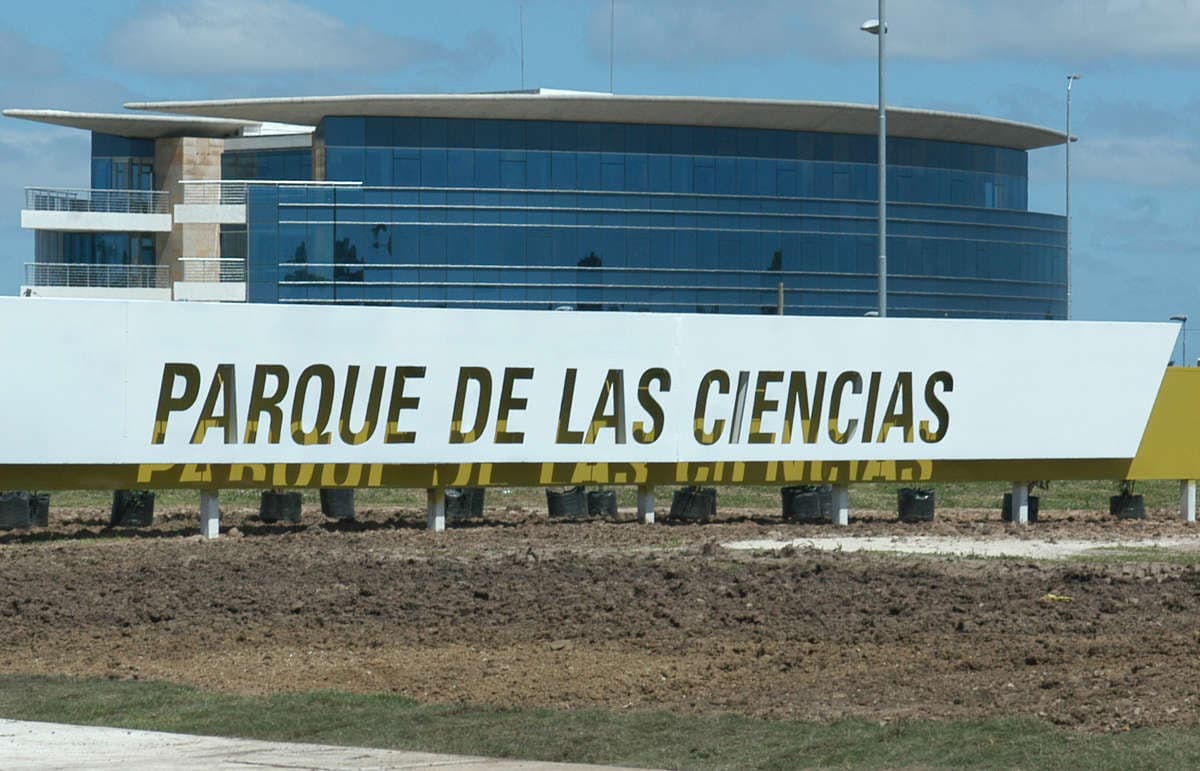
Uruguayan President, Tabaré Vázquez, has recently announced that ICC Labs, a firm that already cultivates Cannabis in the country to supply and sell it for recreational purposes, will install a laboratory in the Science Park of the city of Canelones. The city is about 50 kilometers or 31 miles North of Uruguay´s capital, Montevideo. The project is expected to be ready by April 2018.
The investment is valued over US$ 10 million (American dollars) by the Canadian firm, listed on the Toronto Stock Exchange Market.
Agentic AI Rewires Enterprise Software: Platform Incumbents, Governance, and a Funded Startup Wave
Enterprise software is being rebuilt around autonomous AI agents. Incumbents and large platforms (SAP with its Autonomous Suite and Joule, Zeta with AthenaOS/AIM/Athena MCP, Meta with its new Enterprise Platform) are racing to own the agent layer. Meanwhile, seed and Series A money flows to finance-office and vertical startups (Dextr, Latitude, Dentira, Light), and consolidation continues through acquisitions (Tiny–Oso Cloud, Harvey–Guardrails AI). Investor commentary stresses that AI is better at disrupting around the edges of systems of record than at replacing them, that it should not be trusted with finance calculations, and that governance must be enforced by the system rather than left to agents.
High probability of expanded label indications, additional combination approvals, and competitive positioning strength in follicular lymphoma market. Predicts positive commercial uptake and potential accelerated review for related indications.
Both facts record the same metric (shares_outstanding) for ING Group at the identical observation date (2025-12-31). FACT A states 2,902,437,688 shares; FACT B states 2,902 million shares (2,902,000,000). The difference is 437,688 shares (~0.015%). This is a genuine value conflict, though the discrepancy appears to result from FACT B rounding to the nearest million while FACT A provides the precise count.