
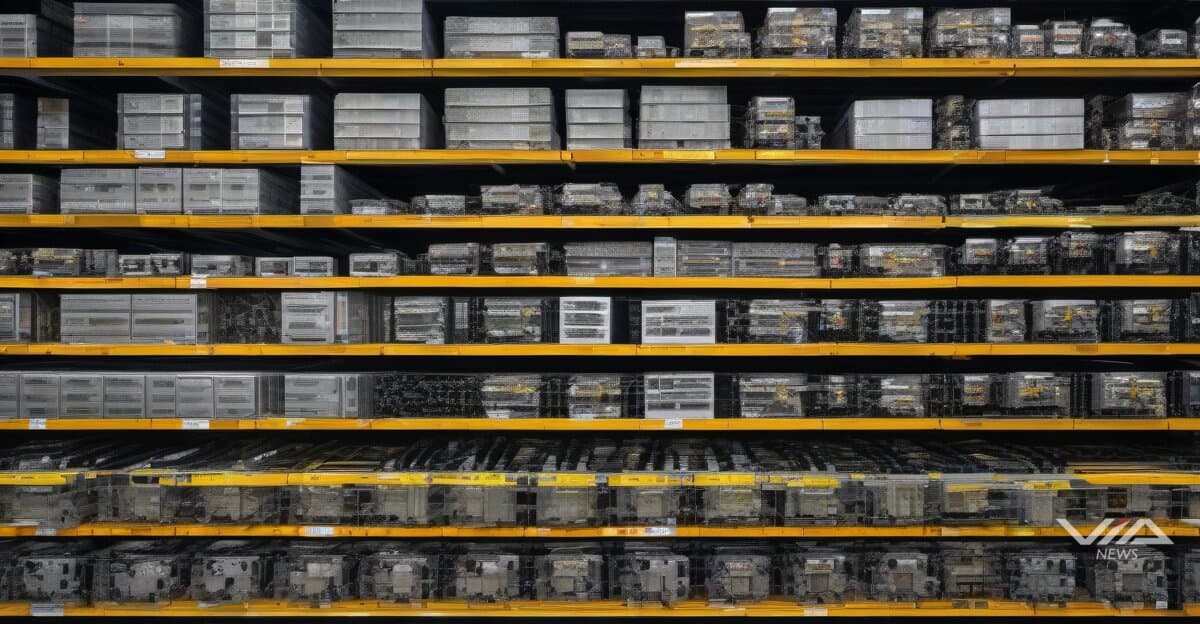
Nvidia halted H200 GPU shipments to China following US export restrictions targeting AI development, though the company is exploring permit applications for limited sales. The ban removes access to chips with 141GB memory and 4.8TB/s bandwidth—specifications Chinese labs need for large-scale model training that now flows exclusively to Western developers.
The restrictions split global AI hardware into security-aligned tiers. US firms with Chinese investment or operations face new scrutiny—Anthropic received a supply chain risk label despite $10B backing from Nvidia and resumed Pentagon talks after initially refusing defense work. OpenAI's robotics leadership departed over military contract disputes, while Oracle canceled joint data center plans with the company.
Chinese AI developers must choose between scaling back models, stockpiling older hardware, or waiting for domestic chip alternatives that trail US technology by multiple generations. Western labs gain training speed advantages but lose Chinese revenue—Nvidia's data center division earned $47.5B in fiscal 2024, with China previously ranking as a top-three market.
The compute gap compounds over training cycles. American teams using H200s and upcoming Blackwell chips can build larger, more capable models while Chinese counterparts optimize smaller architectures or develop workarounds. Hardware access directly shapes model performance in reasoning, multimodal tasks, and benchmarks—turning export policy into a mechanism for maintaining technological lead.
Europe, India, and other regions navigate between US and Chinese tech ecosystems as the AI supply chain fractures. Nvidia's permit exploration signals companies will navigate bureaucracy for partial market access, but the two-tier structure appears permanent. The risk designation on Anthropic shows even US-based labs face compliance reviews based on funding sources, extending security considerations beyond hardware sales into AI lab partnerships and investment structures across borders.