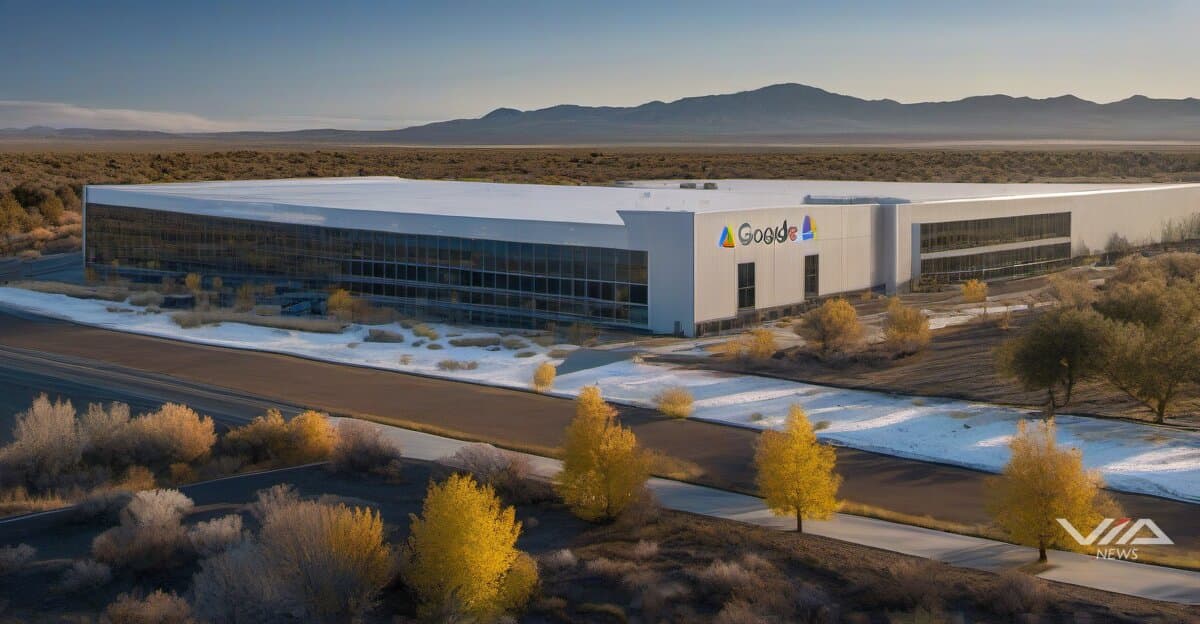
Alphabet raised its 2026 capital expenditure guidance, citing persistent shortages of Google Cloud computing capacity.1 The decision fits a global pattern: four major AI hyperscalers plan roughly $650 billion in combined 2026 spending, one of the largest coordinated infrastructure buildouts worldwide.2
CFO Anat Ashkenazi said Alphabet remains in a "supply constraint environment," a condition she has now reiterated for multiple consecutive quarters.1 The shortfall has outlasted earlier expansion plans, pushing the company to add infrastructure rather than wait for current buildouts to close the gap.
The scale of hyperscaler spending compares with major national infrastructure programs, spread across data centers, chips, and networking on multiple continents.2 For markets outside the United States, the buildout matters directly: cloud capacity constraints in one region can delay AI service availability elsewhere, since providers allocate limited compute across global customer bases.
Demand data backs the capacity argument. CEO Sundar Pichai said demand for Alphabet's AI models is translating into strong token usage among developers and enterprise customers worldwide.1 Rising token consumption directly measures AI workload volume moving through Google's infrastructure, linking international customer demand to the capacity Ashkenazi says is already stretched.
The pattern raises a question for the other three hyperscalers competing globally for AI workloads. If Alphabet's capex increase follows disclosed capacity constraints rather than preceding them, the same sequence may play out industry-wide as usage climbs across markets.2
The next two quarters of earnings calls will be the test. Capacity utilization commentary, backlog disclosures, and further capex revisions from the four largest hyperscalers will show whether supply constraints are the consistent trigger behind the $650 billion global spending envelope.2