
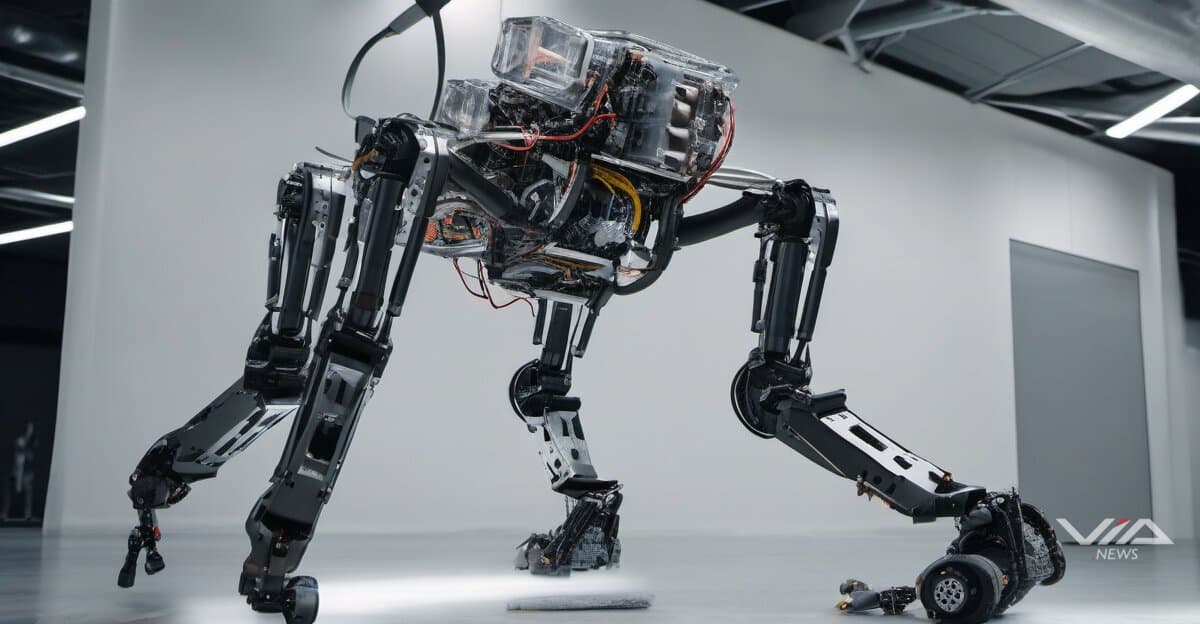
Boston Dynamics finalized its Atlas humanoid platform for third-party development in February 2026 as California-based Weave began shipping commercial laundry-folding robots at $1,800 per unit. The deployments mark robotics' shift from laboratory research to consumer markets across North America and Europe, building on manufacturing breakthroughs at Harvard University and fault-tolerant systems demonstrated at Switzerland's EPFL.
Harvard's new manufacturing process enables mass production of soft robots that handle irregular surfaces and fragile objects. EPFL's robot swarms maintain 85% efficiency when 30% of units fail, critical for warehouse operations in logistics hubs from Rotterdam to Singapore. Atlas now supports external developers, expanding humanoid robotics beyond Boston Dynamics' proprietary applications.
Weave's robot uses computer vision to identify garment types and adjust folding patterns, targeting 47% of US dual-income households that cite laundry as their most time-consuming chore. The device represents the first viable home robotics product beyond autonomous vacuums, a category led by Chinese manufacturer Roborock and Massachusetts-based iRobot.
The commercial robotics wave coincides with mounting AI ethics battles across jurisdictions. Google faces criticism from medical professionals for hiding AI health advice warnings behind "Show more" buttons, displaying safety disclaimers only when users click through. Voice-theft lawsuits in US courts target AI firms training models on artists' vocals without consent, testing intellectual property frameworks that vary significantly between American, European, and Asian legal systems.
MIT Technology Review links antimicrobial resistance to over 4 million annual deaths globally, underscoring AI's potential medical applications amid safety debates. The publication cites hydrogen-powered trains as divisive technology, with adoption varying sharply between European nations investing in the systems and Asian markets prioritizing battery-electric rail.
The robotics deployments demonstrate technical maturity reaching commercial scale across US and European markets. Yet parallel ethics controversies reveal regulatory frameworks lag behind capabilities, with no international coordination on AI safety standards or training data rights. Companies navigate deployment without unified governance, creating uncertainty in cross-border operations.