
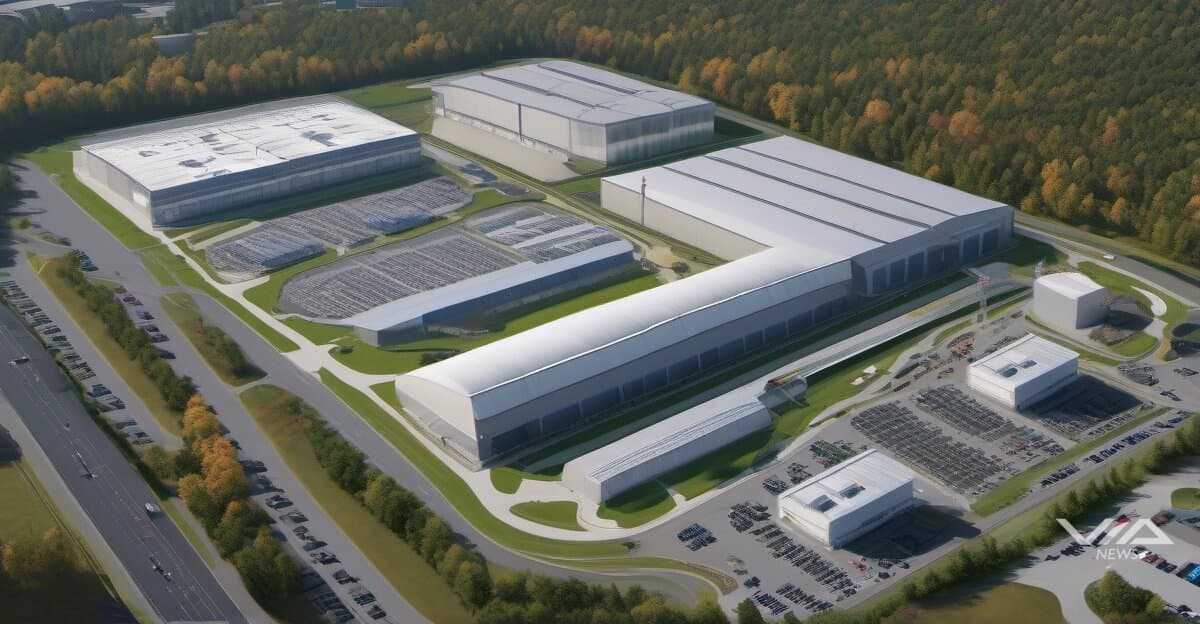
GlobalFoundries acquired MIPS processor IP and AMF while pursuing Synopsys intellectual property, expanding capacity at its Dresden, Germany facility for AI chip production. The IP purchases provide design tools for AI accelerators and edge computing processors serving global cloud providers and automotive manufacturers.
Dresden's expansion increases wafer output for AI-specific process nodes without greenfield construction. Established fabs modify production lines in 12-18 months versus 3-5 years and $10-20 billion for new facilities, offering faster capacity addition as AI chip demand grows across Europe and Asia.
MIPS architecture supports custom AI accelerator designs for inference workloads. AMF adds analog and mixed-signal capabilities for sensor integration in edge AI devices. Synopsys IP acquisition would provide electronic design automation tools streamlining chip development globally.
The strategy diverges from TSMC and Samsung building advanced fabs in Arizona and Texas. Mid-tier foundries like GlobalFoundries optimize existing assets rather than competing at sub-5nm nodes. AI training clusters need cutting-edge processes below 5nm, while inference chips use mature 12nm-28nm nodes with higher margins—GlobalFoundries' specialty matching edge AI and automotive requirements.
Mature node capacity will grow 15-20% through 2027 as AI expands beyond data centers, analysts project. Edge inference chips in smartphones, vehicles, and IoT devices outnumber cloud AI accelerators by volume. GlobalFoundries targets this higher-volume, lower-cost segment serving global consumer electronics and automotive markets.
The IP acquisitions reduce dependency on ARM architecture for custom AI chips. Companies designing proprietary accelerators gain alternatives to ARM licensing, potentially lowering chip development costs by 10-15% according to semiconductor design consultants. This benefits chipmakers across North America, Europe, and Asia developing specialized AI solutions.
Semiconductor consolidation addresses AI chip supply constraints through concentrated IP ownership, expanded proven facility capacity, and vertical integration shortening development cycles. Dresden's expansion strengthens Europe's semiconductor manufacturing base as governments worldwide prioritize chip production self-sufficiency.