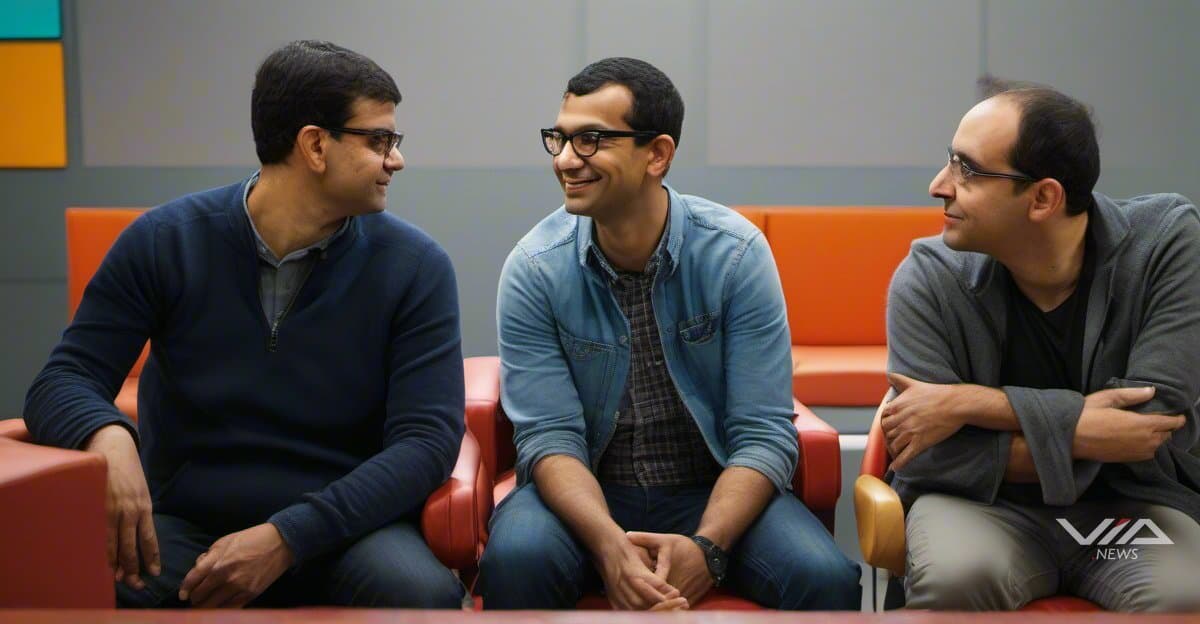
Jeff Dean and Sanjay Ghemawat, two of Google's most senior AI researchers, quit within the same week to launch rival startup Discovery Loop. Two other senior researchers joined them.
Demis Hassabis stepped back from day-to-day leadership of DeepMind in London the same week, adding to turmoil at Alphabet's AI division. Alphabet shares fell on the news.
Alphabet responded by investing in Discovery Loop rather than treating the exits as a pure loss. The bet reflects a strategy spreading through global AI markets: incumbents buying stakes in ventures their former staff build instead of competing against them outright.
Venture firm S32 used the same logic backing Black Forest Labs, maker of the Flux image model, citing "an incredible team," according to investor Nathan Wu.1
Corporate boards worldwide are reshuffling AI leadership too. Dynatrace this month named Chandu Thota, a two-decade veteran of building products used by billions globally, to its board.2
The Google departures land amid a worldwide AI capital race. Uber is pushing over $10 billion into robotaxi expansion, while London regulators issued new robotaxi operating licenses this week.
Capital keeps concentrating around AI infrastructure and mobility ventures across multiple continents, even as senior research talent scatters into smaller, investor-backed startups from Silicon Valley to Europe.
Alphabet's dual move marks a broader shift in how frontier labs worldwide manage talent loss. Rather than treat every departure as a threat, companies increasingly position themselves as investors in what departing staff build next.
That approach lets incumbents keep a financial stake in outcomes they can no longer control directly — a hedge now visible from Mountain View to London to the wider venture capital circuit.