
Nomagic's Shoebox Picker handles 98% of irregular packages across U.S. fashion e-commerce warehouses, automating the 20% of items that forced manual processing in facilities from California to New Jersey. The system targets polybags and non-standard boxes that blocked previous automation waves.
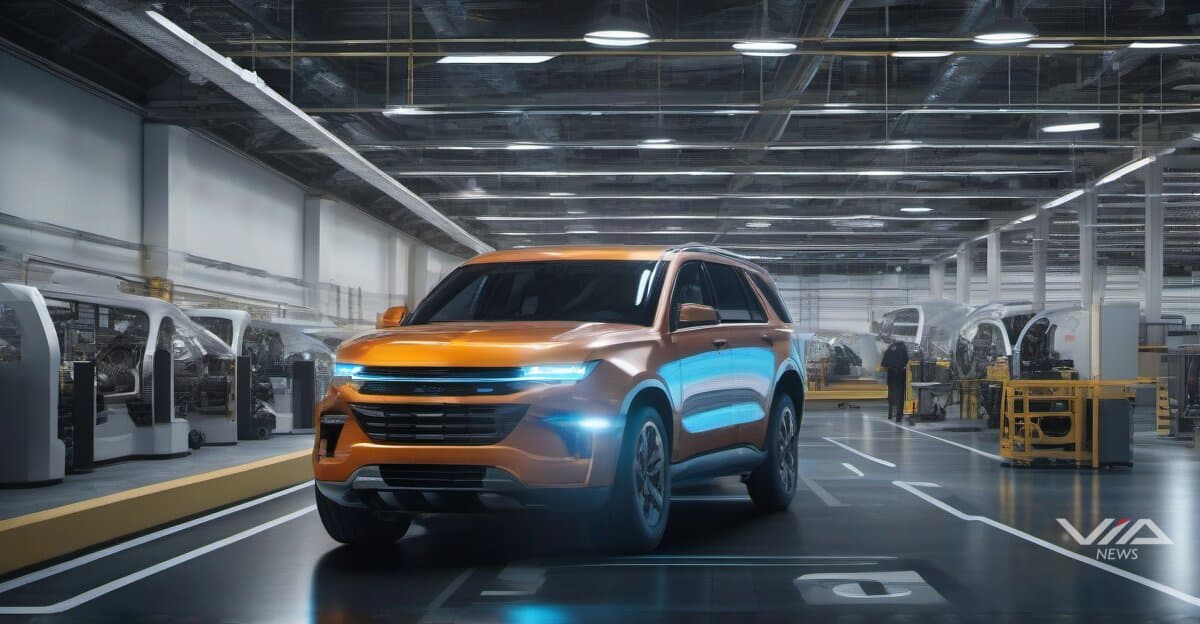
Toyota Research Institute deployed autonomous robots on Japanese factory floors in February 2026, operating alongside human workers on active production lines. The move follows similar deployments by BMW in Germany and BYD in China as automakers race to reduce labor costs.
Weave Robotics launched Isaac 0 on February 1, 2026, handling fabric manipulation tasks in industrial laundries across North America and Europe. Humanoid released KinetIQ, a robotics AI framework addressing domain-specific requirements that general models miss in manufacturing environments.
These systems share three traits: domain-specific training data, physical constraints in model design, and focus on measurable ROI. Previous automation stalled when general AI couldn't handle edge cases in production environments.
The shift to specialized frameworks removes customization burdens from manufacturers in Asia, Europe, and the Americas. Pre-trained models for robotics and logistics reduce deployment from months to weeks, accelerating adoption across supply chains.
Kacper Nowicki leads physical AI integration into warehouse operations, embedding decision-making directly into material handling systems. His approach contrasts with software-first automation that struggled in international logistics networks.
Enterprise deployments in Q1 2026 focus on published success metrics rather than pilot projects. Companies across Japan, Germany, and the U.S. deploy systems handling specific task categories with documented automation rates.
Q4 2026 will test sustained ROI across global markets. Revenue growth at physical AI companies and reduction in manual processing rates will show whether specialized systems overcome integration challenges that limited previous automation waves from Shanghai to Stuttgart.
Sources:
1 Yahoo Finance, "Elon Musk's Terafab bet: what it means for Tesla investors" (March 22, 2026)
2 Yahoo Finance, "Musk says SpaceX and Tesla to build advanced chip factories in Austin" (March 22, 2026)
3 Globe Newswire, "Zalando to install up to 50 AI-powered Nomagic robots in its European fulfilment centres" (March 19, 2026)
4 Globe Newswire, "NVIDIA Expands Open Model Families to Power the Next Wave of Agentic, Physical and Healthcare AI" (March 16, 2026)
5 Yahoo Finance, "These 3 Stocks Could Be the Best Ways to Invest in the Humanoid Robot Trend" (February 07, 2026)