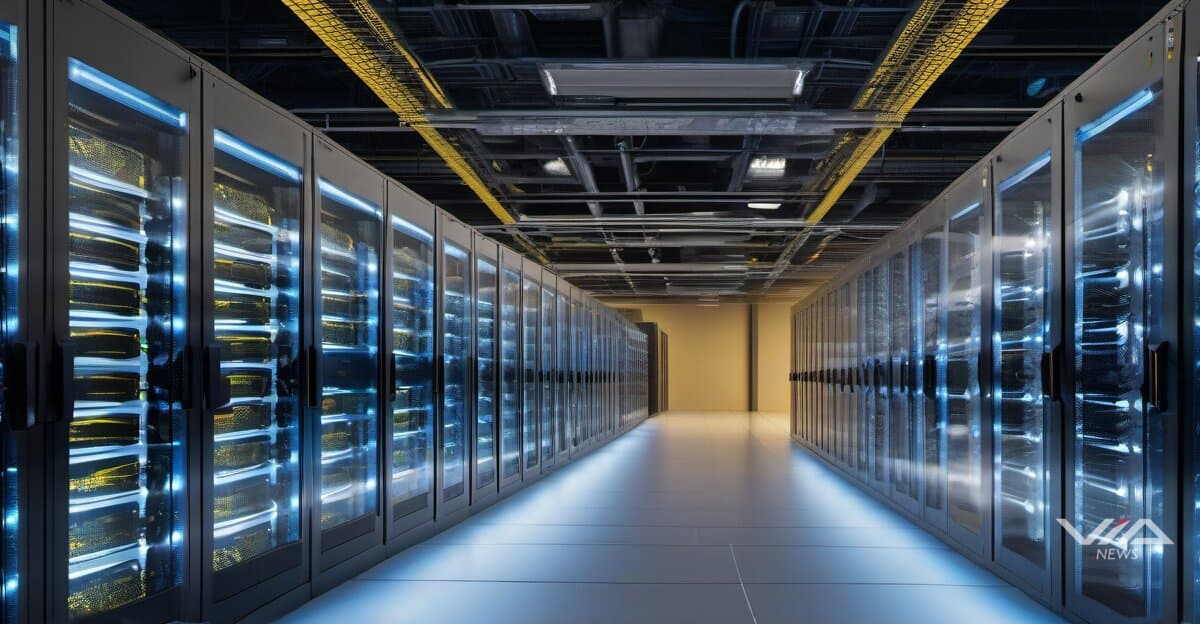
Meta Platforms committed $27 billion over five years to Nebius for AI data center capacity, while Alphabet announced $40 billion in Texas AI facility investments.1 The contracts represent the largest AI infrastructure commitments to date, dwarfing comparable projects in Europe and Asia where power constraints and regulatory approval timelines have slowed hyperscaler expansion.
AI workloads require specialized cooling, power delivery, and network architecture that standard cloud infrastructure cannot support. Facilities need 50-100 megawatts per site compared to 10-30 megawatts for traditional data centers. This gap is driving divergence between general cloud capacity and AI-optimized builds across North America, Northern Europe, and select Asian markets.
Texas Critical Data Centers secured financing and a non-binding letter of intent with Stream Data Centers for development.2 E. Will Gray II noted the site is "strategically positioned for near-term development and power delivery, presenting a compelling opportunity for data center operators."2 Immediate power availability is the differentiator—Texas offers faster grid connections than California or European markets where substation capacity is allocated years in advance.
IREN acquired a 1.6-gigawatt site in Oklahoma, securing grid connections and generation rights before construction.3 Developers globally are treating power capacity as the primary asset. In Scandinavia, operators compete for hydroelectric allocations. In Singapore, government power caps have frozen new AI data center approvals entirely.
NN, Inc. identified Electric Grid and Data Center as a growth segment, stating it "is on a plan to become NN's #1 end market."4 Component suppliers are reorienting production as AI infrastructure volumes exceed initial deployment forecasts across regions.
Specialized developers who navigate power procurement, cooling engineering, and regulatory approvals for high-density facilities are capturing capital. Traditional data center REITs face competition from providers offering AI-specific designs and 18-24 month deployment timelines versus standard 36-month cycles. The advantage is sharpest in deregulated power markets like Texas and parts of the Middle East, where utility commitments move faster than in regulated European grids.