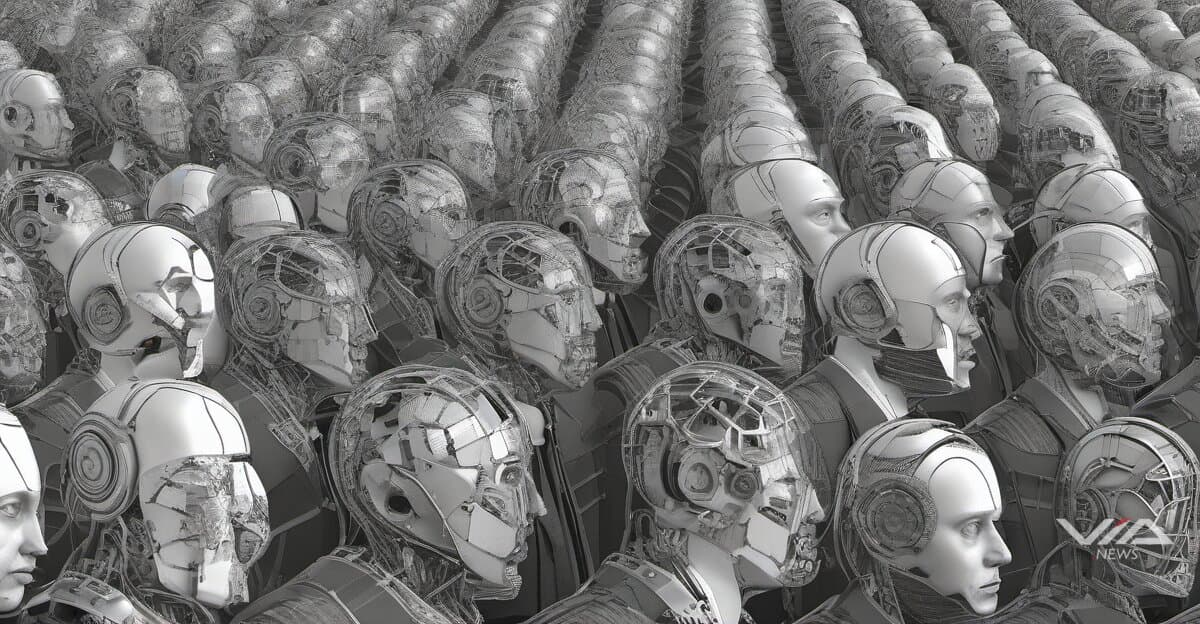
Open-source AI models now match or exceed proprietary systems from US tech giants, according to Mistral AI CEO Arthur Mensch, who argues "the fight for AI supremacy is between open versus closed systems rather than where those systems are built." France-based Mistral and India's Sarvam represent a wave of companies building accessible alternatives to centralized American platforms.
The shift threatens Big Tech's AI dominance across global markets. Luke Sernau describes "an open-source free-for-all threatening Big Tech's grip on AI" as freely available models eliminate performance advantages that justified proprietary approaches. Unlike previous software competitions, AI development requires massive computational infrastructure concentrated among major US cloud providers.
Governments worldwide now treat AI capabilities as strategic assets comparable to energy or telecommunications infrastructure. European, Asian, and emerging-market nations are funding local AI development to reduce dependence on American systems, adding geopolitical dimensions to technical debates about optimal development models.
Fundamental knowledge gaps persist despite rapid global adoption. NTT scientist Hidenori Tanaka notes "AI is becoming ubiquitous, but how these computational engines actually work remains—to a surprising degree—a mystery." Open-source models enable broader international research into AI mechanics compared to closed systems.
Market evidence suggests hybrid deployment rather than winner-take-all outcomes. Companies across regions use proprietary systems for competitive advantages and open models for standardized tasks. The approach balances performance needs against sovereignty concerns and infrastructure realities.
Whether open-source AI can replicate Linux's success remains uncertain. Current models achieve competitive performance, but long-term sustainability without Big Tech resources faces questions. The sovereignty imperative may drive continued government investment regardless of commercial viability challenges.