
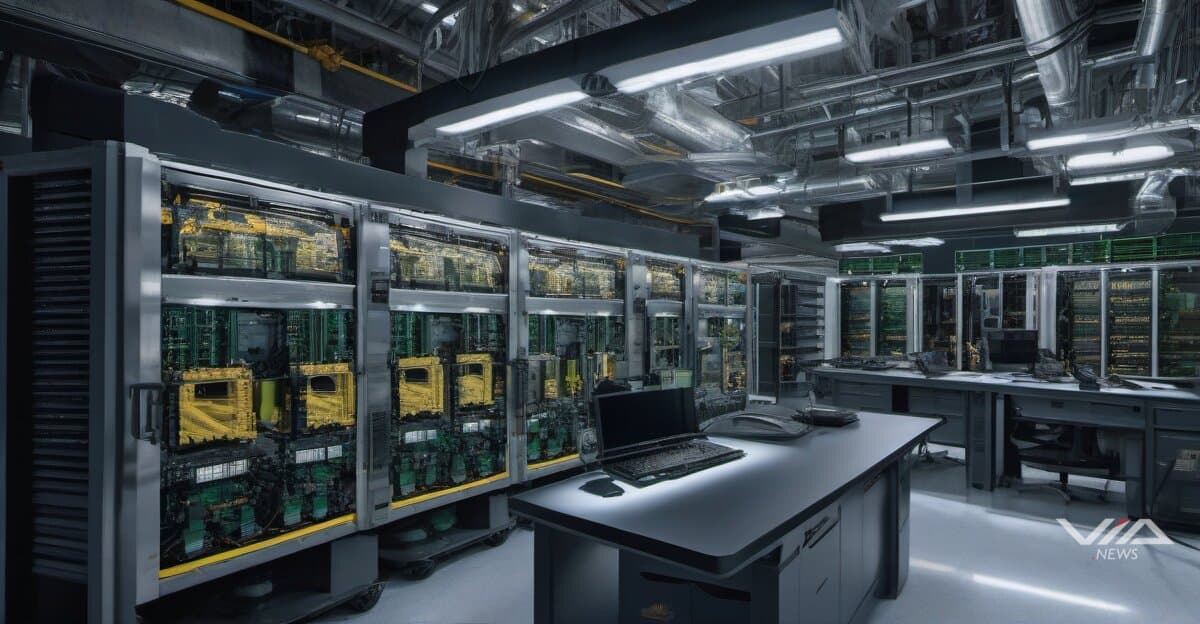
The United States has stopped Nvidia H200 GPU shipments to China, with Washington preparing a permit system for high-performance AI chips. The restrictions target advanced computing hardware amid national security concerns, affecting AI development timelines across Asia and creating uncertainty for global data center operators.
Nvidia's H200, with 141GB HBM3e memory and performance gains over the H100, now faces geographic sales restrictions that compound GPU shortages worldwide. AI labs from Singapore to Europe compete for limited chip allocations as US export thresholds may expand, delaying infrastructure projects across multiple markets.
Chinese AI companies are turning to non-US chip suppliers as domestic semiconductor manufacturers accelerate AI accelerator development. Performance gaps with Nvidia's latest hardware remain substantial, but export controls are fragmenting the global AI chip market and pushing technology ecosystems toward regional splits.
The regulatory shift extends beyond hardware. OpenAI's robotics division leader resigned over Pentagon contracts, reflecting internal tensions as Western AI firms expand military partnerships. Anthropic faces dual classification as both a supply chain risk and potential Pentagon contractor, highlighting complex government-industry dynamics.
Research institutions globally face procurement delays as US licensing requirements reshape hardware access. Cloud providers must revise capacity planning around export compliance, while AI startups encounter extended lead times for compute infrastructure needed to train large language models.
The controls arrive as AI compute demand reaches record levels. Training frontier models requires thousands of interconnected GPUs, making export restrictions particularly impactful for large-scale development programs. Hardware access is becoming a defining factor in national AI capabilities, with implications for technological leadership across Europe, Asia, and North America.
Alternative supply chains are emerging as countries reassess semiconductor dependencies. The restrictions accelerate the decoupling of AI technology ecosystems, with potential long-term effects on international research collaboration and the development of global AI standards.