
Monday, September 21, 2026

Analysis of Portugal's Short-Term Rental Market Pre- and Post-Coronavirus

ViaNews Editorial Team

October 14, 2020

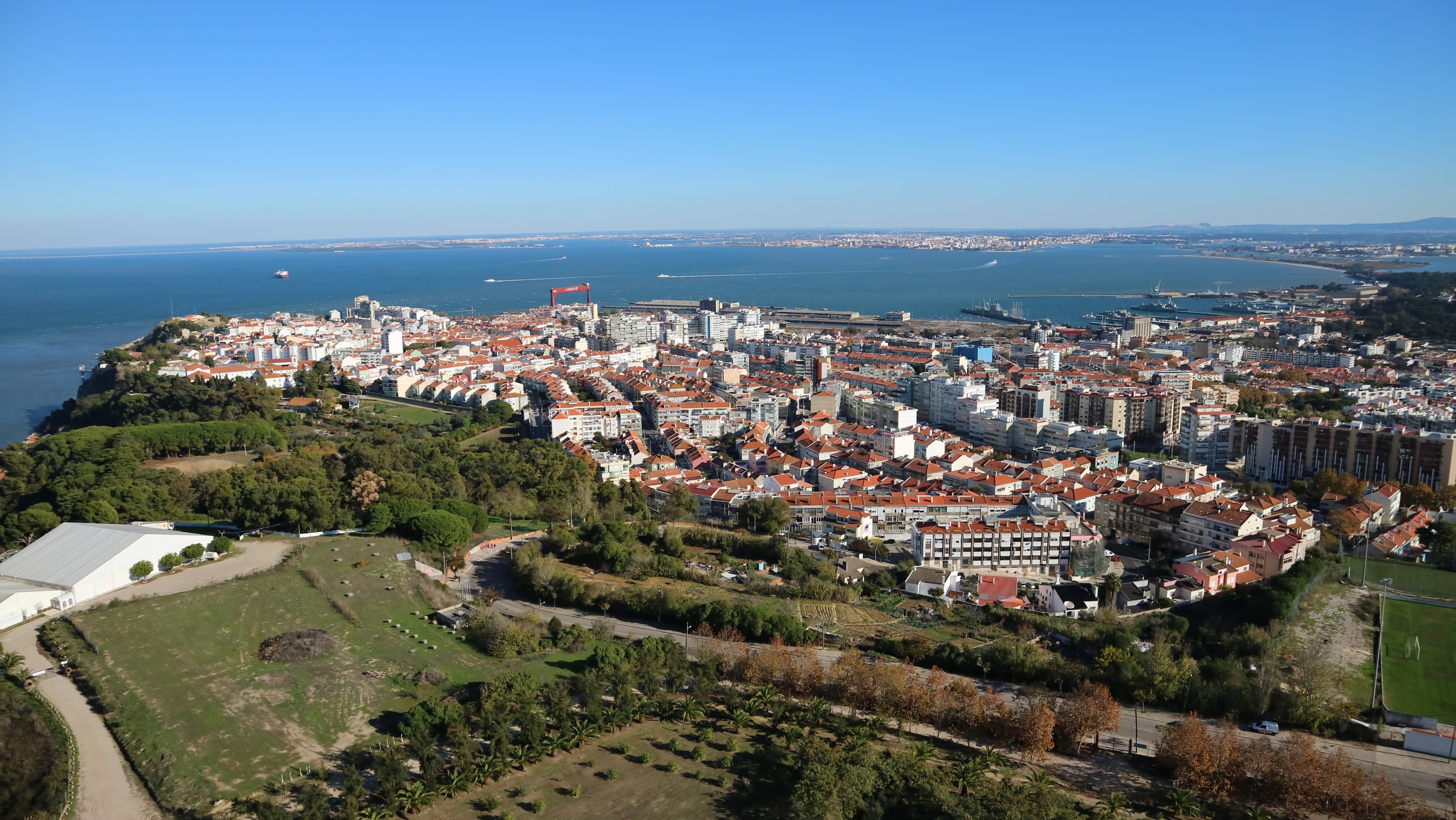
Photo by Drew Bae on Unsplash

The impact of the coronavirus pandemic on the global property market is well reflected in the grim statistics that are being released daily.

The real estate sector in Portugal, like in many other countries, took a huge hit when the novel virus began to set the world ablaze with fear and uncertainty.

With tourism at its heart, Portugal, and its short-term rental industry, in particular, had for years benefited enormously from budget travelers.

But the unprecedented outbreak turned everything upside down, and, like any other scenario, the turmoil had its winners and losers.

Many hosts started moving to the long-term market, and the considerable increase in supply contributed to a downward price adjustment for tenants.

On the other hand, a large number of property owners suffered a body blow when the crisis left their rentals vacant for extended periods.

Read more: Short-Term Rentals Outperforming Hotels in Pandemic Era

The mayor of Portugal's capital saw the pandemic as an opportunity to "do things differently". Writing in The Independent, Fernando Medina said the city's popularity as a vacation spot has come at a cost.

"Essential workers and their families have increasingly been forced out as Airbnb-style holiday rentals have taken over a third of Lisbon's city center properties, pushing up rental prices, hollowing out communities, and threatening its unique character.

Under the scheme announced by the mayor, the city will pay landlords to turn short-term rentals into longer-term homes for locals, to make it possible for key workers to live in the city center again.

"It's a bold strategy that offers landlords long-term, stable incomes and gives us the chance to recreate a more vibrant, healthier, and equitable city," according to Medina.

It remains to be seen whether the proposed incentives are enough to convince hosts to join the initiative or not, particularly now that countries are opening back up to international tourists.
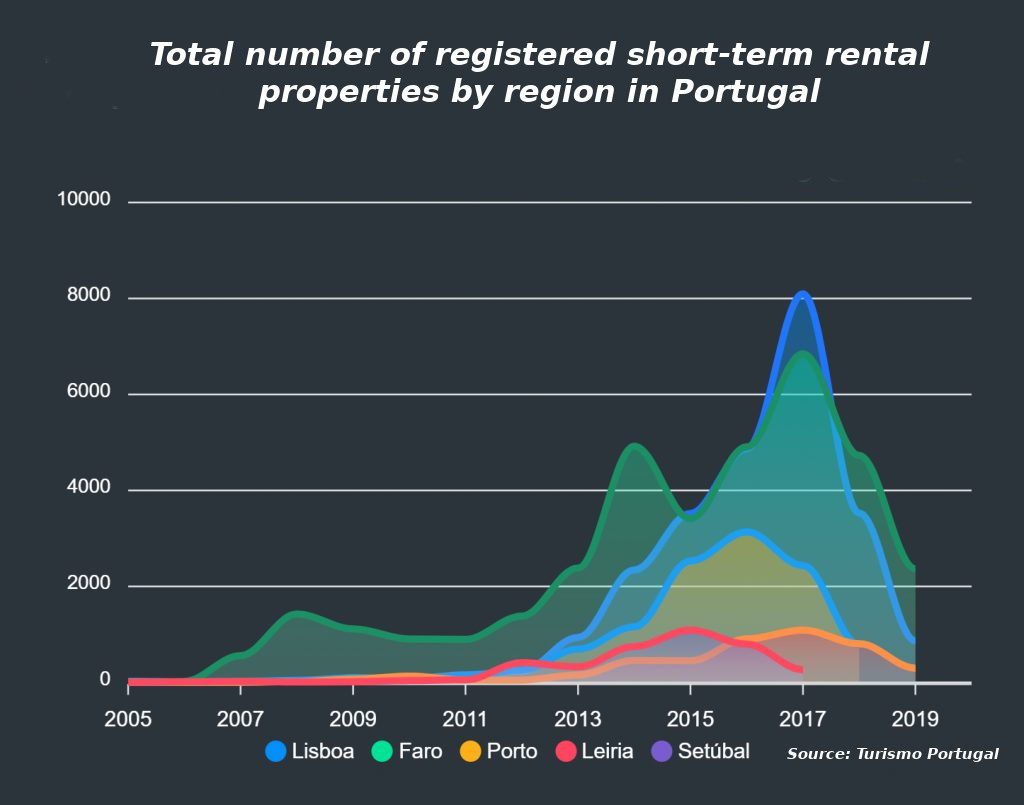
With short-term rentals being thrust into the spotlight in the wake of COVID-19, it seems relevant to explore the evolution of this sector in Portugal and the impact of the unfolding health, social, and economic cataclysm.

In a series of posts, Via News will be publishing exclusive statistics that offer new insights into the past and current status of the short-term lodging market in Portugal.

ViaNews Editorial Team

Via News Editorial Team delivers comprehensive financial news coverage and market analysis from journalists around the world. Our team specializes in data journalism and in-depth reporting on stock markets, business developments, and economic trends.

What we know · the intelligence behind this page
Live from the substrate
What we're seeing
Frontier AI Slowdown Call Splits Industry, Rattles Capex-Sensitive Markets
Anthropic's Dario Amodei publicly called for a coordinated global slowdown in frontier AI development, a stance Microsoft echoed with a 'humanist' AI code of conduct, but Nvidia and Meta's CEOs rejected any coordinated pause days later, exposing a widening rift between safety-focused and growth-focused AI leaders. The dispute landed amid growing financial scrutiny of AI infrastructure spending — a hyperscaler capex analysis, FTC warnings against antitrust waivers for AI firms, and an 8.6% single-day stock drop in GE Vernova tied directly to the slowdown remarks — signaling investors are newly nervous about whether the AI capex boom (including Alphabet's projected $701B revenue narrative) can be justified if the pace of development itself becomes contested.
Our read on the data ›
Signals we're tracking
Satellite-Terrestrial Network Integration Acceleration
Increased investment and launches in hybrid satellite-cellular networks across telecom industry; competitive responses from other carriers; regulatory activity around satellite spectrum; expansion of emergency/rural connectivity use cases
Patterns we're watching ›
Where sources disagree
ING Group
Both facts record the same metric (shares_outstanding) for ING Group at the identical observation date (2025-12-31). FACT A states 2,902,437,688 shares; FACT B states 2,902 million shares (2,902,000,000). The difference is 437,688 shares (~0.015%). This is a genuine value conflict, though the discrepancy appears to result from FACT B rounding to the nearest million while FACT A provides the precise count.
We flag conflicts openly ›
Recently verified
Checked against the original source
4,983
facts traced to their source — and we flag the ones that don't hold up.
101 entities tracked4,983 facts checked against source5,304 source documents archived
Query this data → isubstrate.com