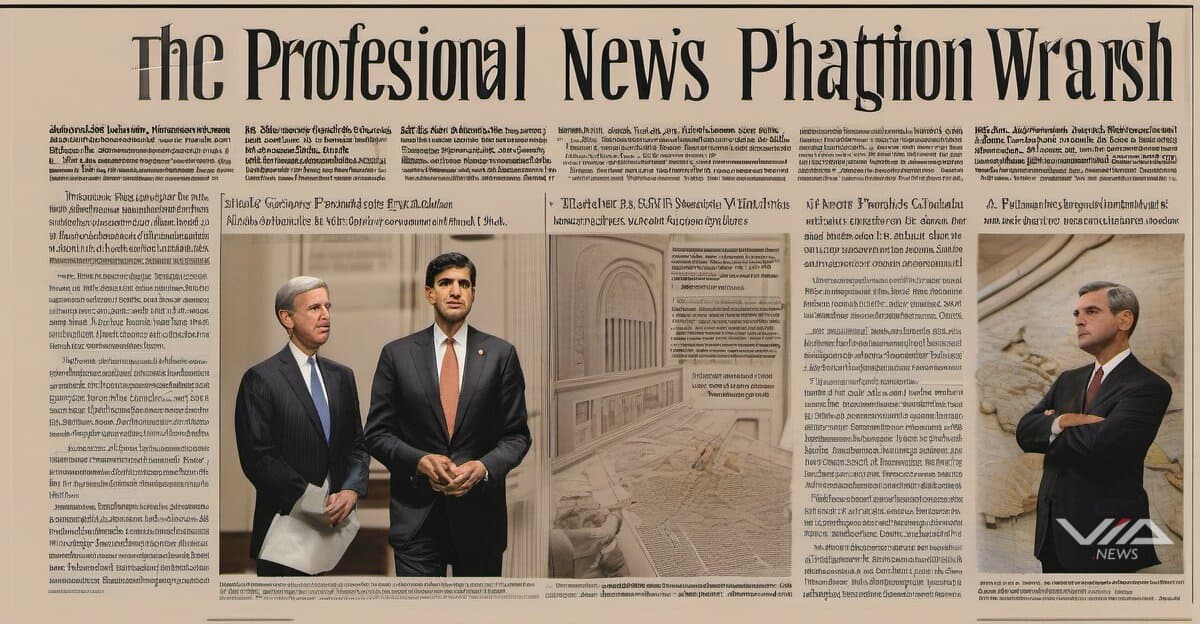
Kevin Warsh is now Federal Reserve Chair. CME FedWatch prices a 50% probability of rate hikes. A global bond selloff has put G7 finance ministries on alert as he inherits a $6.7 trillion balance sheet.
Fed Governor Christopher Waller signaled the shift in Frankfurt — not Washington — delivering hawkish remarks that marked the end of the Powell wait-and-see posture.1 ING's currency strategist warned that "recent hawkish US economic data may influence upcoming Fed decisions," confirming that rate cuts expected across global markets this year are no longer near-term.2
Corporate Borrowing Costs Rise Worldwide
U.S. tightening radiates outward. Floating-rate loans reprice immediately, squeezing leveraged buyout pipelines in New York, London, and Frankfurt. Investment-grade issuers face widening spreads as Treasury yields surge alongside Iran War-driven energy costs — a dual pressure felt from emerging markets to European credit desks.
Repo Rate as the New Policy Instrument
The most consequential change may be structural. Steve Blitz argues that under Warsh, "the repo rate becomes the policy rate," potentially displacing the federal funds rate as the primary transmission mechanism.3 That shift would force banks globally — many holding dollar-denominated collateral — to reconfigure overnight liquidity management and reprice money market risk across jurisdictions.
FOMC Politics Shape the Timetable
Bold reform depends on internal coalition-building. Former Fed economist Jon Faust notes that if rate reduction remains a political priority, "he won't want to go out of his way to alienate the FOMC. He'll have an incentive to curry goodwill as much as possible."4 International investors should expect a measured rollout, not a shock pivot.
Fixed-Income Relief for Global Savers
Pandemic-era low rates "severely impacted retirees, especially those who rely on fixed-income investments for their retirement nest eggs" — a problem shared by savers from Tokyo to Toronto.5 A sustained Warsh tightening cycle would reverse that dynamic across global bond portfolios.
One variable remains open: Waller noted Iran War oil prices "could dissipate quickly depending on the length of the conflict."1 If energy costs ease, the hawkish impulse may fade before crystallizing into action. The May 28 PCE print will set the global market tone.