
“God willing, in May, we will hold our first meeting in a closed sports hall in a European country. All preparations are complete”.Austrian Chancellor Sebastian Kurz objected to the announcement made by Erdogan, saying he would be prohibited from “trying to exploit” Europe’s Turkish communities. Germany, as well, opposed the idea due to security concerns. “Our view is clear. In the three-month period before elections in a foreign country, no election campaigning will take place in Germany,” German Foreign Minister Heiko Maas told reporters in Toronto, Canada. Turkey’s switching quickly to a new executive presidential system was criticised by The Parliamentary Assembly of the Council of Europe (PACE) Monitoring Committee since the legitimacy of the elections was at stake during the period of an extended state of emergency. When addressing the Council of Europe about the legitimacy of the upcoming Turkish elections, Erdogan said they should “mind your own business”. The decision for snap elections annoyed the majority of the Turkish people but their concerns and expectations were disregarded by the state. Recently conducted electoral surveys only focused on the candidacy, ignored whether people agree, or not, with the upcoming presidential elections. When people asked if holding early elections is for the good of the people, 52.64% of the participators answered no, while 34.09% answered yes. Subsequently, when asked why early elections, 42% pointed out the poor economic conditions and the remaining 35.16% regarded that as an attempt to wrong-foot the opposition. The issues such as the economic condition, chaotic foreign policy, the regression in human rights and freedom and so many other factors are negatively affecting the AKP’s political campaigning and electioneering strategies. They have indeed no discourse other than just verbalizing about religion and nationality.
Turkey: How Majority Reacted to Snap Elections and Why Erdogan Told Europe to “Mind Your Own Business”
Ozge Guzel
April 29, 2018
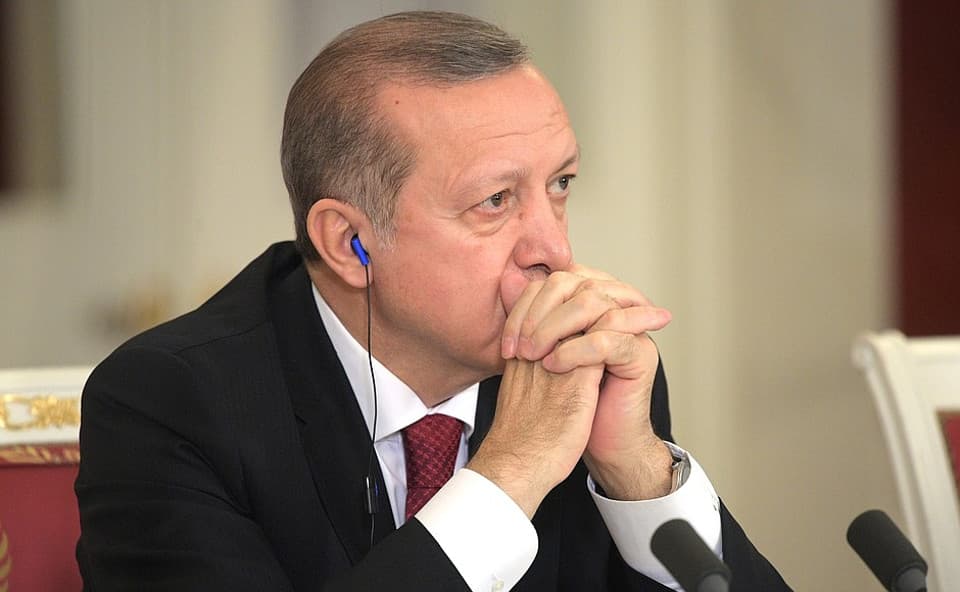
ANKARA, Turkey (ViaNews) - Last week, Erdogan called early presidential elections for June 24. This Wednesday, on April 25, Turkey’s electoral body announced that 11 political parties will compete in the June 24 polls.
Even though Turkish politicians campaigning abroad was banned by some European countries, Turkish President Erdogan, without identifying the country, stated: