
Falling Oil Prices in Contemporary Venezuela
Vera Sanoja Zerpa
October 10, 2017
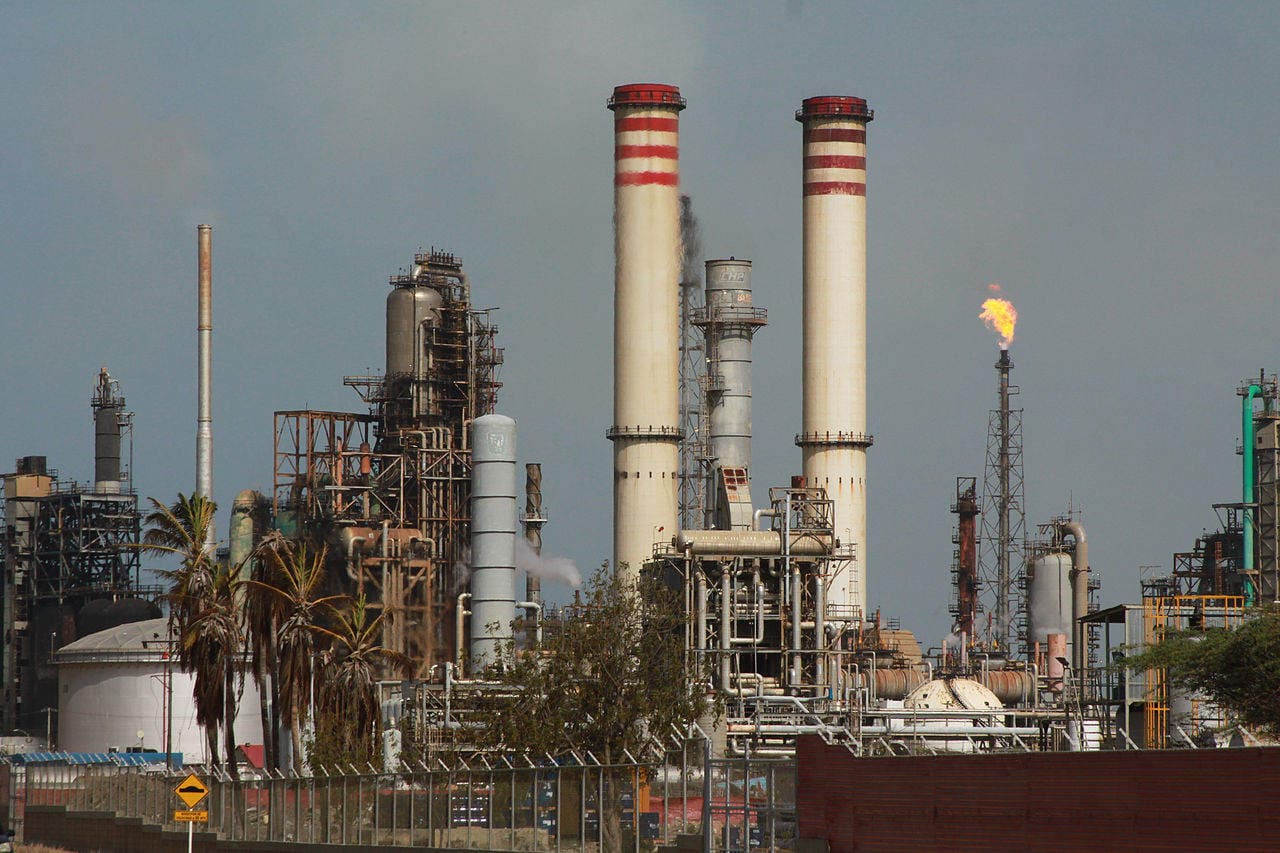
CARACAS, Venezuela (ViaNews) - The 1920s saw Venezuela become a major oil-exporting country and it has, since then, ranked among the world's top 10 hydrocarbon producing and exporting countries.
Throughout history, there have been ups and downs within the supply and demand of oil crude, but what remained unchanged is the excessive economic dependence of Venezuelans on oil income. The country defines itself as a ‘mono-producer’ or ‘mono-exporter’, which means that oil has been the only source of national wealth during all governments of the twentieth century until today.
When we talk about macroeconomic rates throughout the years, oil is far from being a stable income source. Prices fluctuate according to changes in the world markets, geopolitical interests, and the supply and demand of OPEC member countries.
The Venezuelan economy has been affected by several reasons, some are related to foreign interests, and others due to internal conflicts. In addition, no government has seriously proposed to diversify the economy and the national source of income, which thickens the strong (and historical) dependency ties with oil production industry. Several plans to combat the country's oil dependency level have only been rhetorical euphemisms, such as the ‘Siembra Petrolera’ plan, which was never carried out in its strict sense.
There have been great boom periods, also known as oil booms that were carried out through 1950-1957, 1974-1975, and 2004-2012, in which the barrel has been quoted above, or close to, $100. In such periods, national development increased, especially those linked to investment in road infrastructure along with an abrupt growth of population on national soil.
Since 2013, oil prices in Venezuela have fallen dramatically, dropping more than 50 points, causing a strong economic crisis combined with the mismanagement of resources, and capital flight due to corruption.
Some of the consequences of the fall in oil prices are reflected in the disappearance of the social state. The Bolivarian missions are a series of social programs focusing on social justice. Including among its main attributes is the combat of illiteracy; the free public health care; basic, intermediate and diversified education; support for women with scarce resources, etc. Unfortunately, these have been gradually phased out due to the lack of national budget and the predominance of an inefficient bureaucracy.
Another major consequence is the sharp import decrease in the food, medicine, and basic necessities. Few food products are made on national soil, so most of the food consumption is mostly imported products. Public hospitals have been in a very critical situation as there are insufficient resources to provide medical support and quality health-care for those in need.
It seems the consequences of the falling oil prices go beyond pure economic assumptions. The social consequences are really chilling when the basic needs of the population are no longer being met.
The Venezuelan dependence on oil has been referred by different authors as an ‘oil culture', bringing serious social and cultural consequences to the population. So much so that Juan Pablo Pérez Alfonzo, a well-known Venezuelan economist, called this hydrocarbon 'the devil's excrement', which is now a very popular expression used by Venezuelans.