
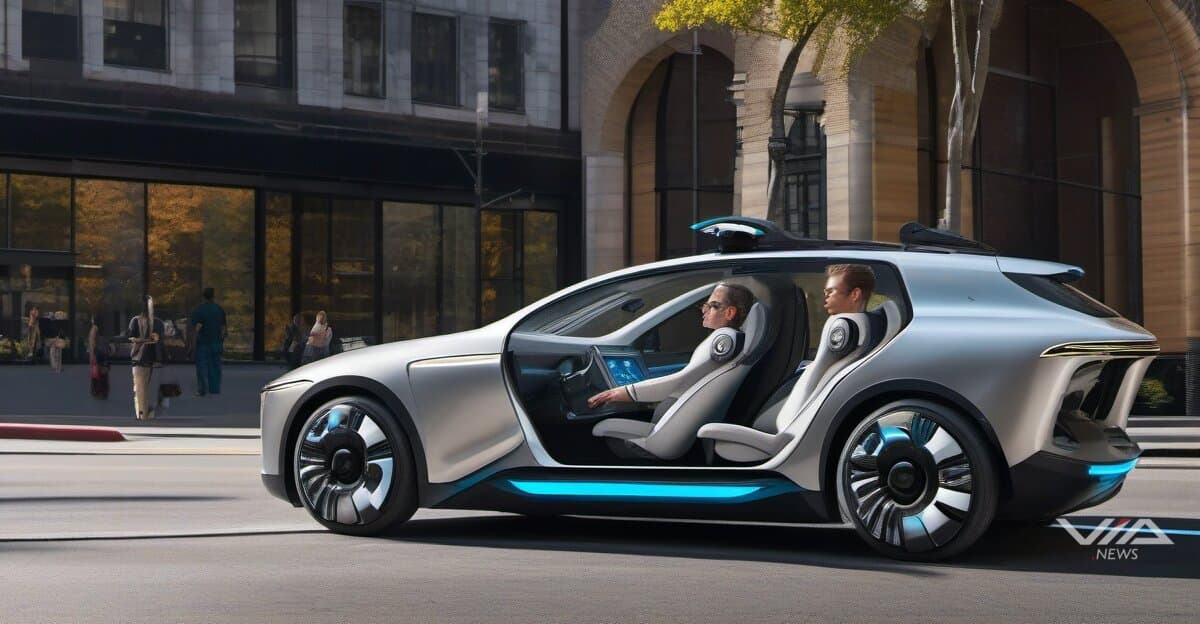
WeRide reached breakeven economics in autonomous vehicle operations while expanding service globally, demonstrating robotaxi business models work at scale. AI researchers are leaving OpenAI and major tech companies for robotics startups, betting physical AI applications will reach markets faster than next-generation language models.
Tesla plans robotaxi production and public humanoid robot sales for 2026-2028. The timeline reflects the industry's shift from research to commercial deployment across autonomous vehicles and humanoid robotics.
Mobileye acquired Mentee Robotics to accelerate humanoid solutions. "Joining forces with Mobileye gives us access to unparalleled AI infrastructure and commercialization expertise," said Prof. Lior Wolf of Mentee Robotics. The deal combines perception technology from vehicles with manipulation capabilities from humanoids.
Chinese robotics systems are gaining traction in Saudi Arabia's logistics, manufacturing, healthcare, and smart city sectors. "Chinese robots allow local companies to experiment, pilot, and scale automation solutions in months instead of years, which is exactly what Saudi Vision 2030 requires," said Mohammed Alsolami. Western companies focus on domestic scaling, reflecting different regulatory approaches and infrastructure readiness.
Hesai Technology targets sub-$200 price points for next-generation ATX LiDAR to address cost barriers in autonomous vehicle deployment. The pricing push reflects industry pressure to achieve mass-market economics.
Nuro conducts autonomous on-road testing as part of its safety validation framework developed over years of commercial deployments. The testing shows the maturation of autonomous delivery systems approaching market readiness.
The 2026-2028 commercialization phase spans autonomous vehicles, delivery robots, and humanoid assistants across global markets. Industry consolidation continues as established autonomous driving companies acquire humanoid robotics startups to combine capabilities.