
Truth Social Faces Backlash Over Controversial Content
Truth Social sees increased engagement and user growth from controversial content, but risks damaging its reputation and escalating racial tensions.
ViaNews Editorial Team•

797 articles
Truth Social sees increased engagement and user growth from controversial content, but risks damaging its reputation and escalating racial tensions.

Tech companies face a critical decision as they navigate enhanced cybersecurity measures requested by the government. While compliance could drive innovation and investment, it also risks eroding public trust and facing legal challenges.

The recent Tesla safety incident highlights both potential opportunities for new partnerships and specialized insurance, as well as significant risks including legal liabilities and reputational damage.

The unveiling of 'the truth' promises greater transparency and boosted confidence but risks confusion and social unrest as diverse interpretations emerge.
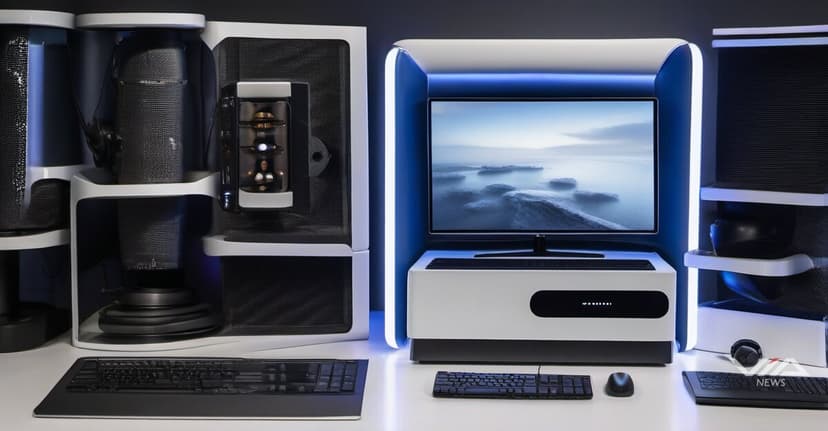
Valve's delayed launch of the Steam Machine presents both risks and opportunities. While it could refine the product, it may also harm consumer trust and face supply chain challenges.

Increased trust in expert opinions is leading to more informed decisions, but concerns over transparency and reliance on a single source persist.

Nvidia's decision to cancel a major deal could redirect resources towards high-growth areas like gaming and AI, but it also risks a drop in stock valuation and investor confidence.

The Department of Homeland Security's recent actions have sparked a debate over increased transparency and accountability in government operations versus concerns about the erosion of civil liberties and potential chilling effects on free speech.

Tech billionaires are pouring funds into innovation and economic growth, but concerns arise about potential political bias and increased income inequality.

Increased investment in AI technology and content creation is boosting streaming platform viewership and engagement, but there are concerns about overhyped expectations and potential financial risks.

The tech industry grapples with the tension between fostering innovation and ensuring employee well-being. While some see a brighter future with improved work-life balance, others fear increased legal liabilities and labor unrest.

Recent cybersecurity breaches highlight both the growing need for robust security measures and the potential long-term risks to affected companies. The impact on businesses could vary widely depending on how they respond.

Fertility clinics are navigating increased investment in genetic testing technologies while facing potential legal and regulatory challenges that could impact trust and demand.

The gaming industry faces a transformative shift with the introduction of new AI tools like Project Genie, promising innovation and efficiency. However, concerns arise over potential market flooding with low-quality content and the impact on traditional game developers.

Bill Gates has denied recent allegations, but the controversy raises questions about the long-term impact on his philanthropic efforts and public trust in tech leaders.

Increased scrutiny of government security programs like Global Entry and PreCheck may enhance privacy protections but could also erode trust between employees and employers. Target's support for employee rights presents a mixed picture.

Enhanced privacy and security measures in biometric systems could drive technological advancements and new market opportunities, but may also erode trust and face increased scrutiny.

Microsoft is enhancing user experience by streamlining AI features in Windows 11, but some worry this could harm its innovative image and developer loyalty.

The increasing focus on digital privacy and security presents opportunities for growth in cybersecurity services but also risks stricter regulations and erosion of trust in online platforms.

Investment in AI for content creation is booming, particularly in historical dramas, but concerns over quality and potential backlash loom large.