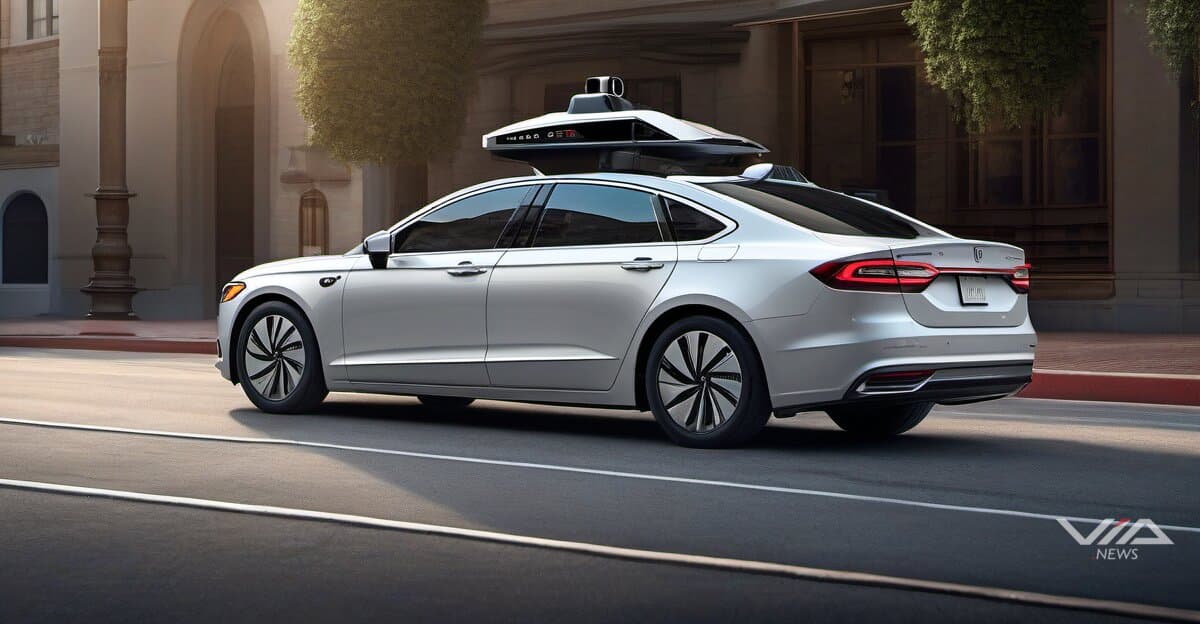
Uber sold its Uber ATG autonomous vehicle unit in December 2020 for undisclosed terms, ending years of internal development. The exit marked a strategic pivot from proprietary technology to partnerships spanning three continents.
The company now relies on UK-based Wayve, multiple Chinese autonomous vehicle firms, and American electric vehicle maker Rivian for self-driving capabilities. Uber invested equity in both Wayve and Rivian to align incentives, taking stakes that provide technology access without maintaining large engineering teams. Negotiations with Rivian reportedly extended over months before reaching agreement.
The approach reflects a global industry split. Vertically integrated players like California's Waymo and Tesla develop full-stack autonomous systems in-house. Platform operators like Uber aggregate third-party technology across markets. The model resembles Uber's core business: control the marketplace, outsource the assets.
Economics differ sharply between approaches. Internal programs require sustained spending on sensors, compute hardware, simulation infrastructure, and safety validation. Uber ATG consumed capital without reaching commercial deployment before its sale. External partnerships shift timing risk and development costs to vendors. Uber gains optionality across multiple technology architectures rather than betting on a single internal system.
Execution challenges remain significant. Uber must integrate different autonomous systems from European, Chinese, and American partners into a single platform. Coordinating safety standards, liability frameworks, and operational protocols across jurisdictions and vendors adds complexity. The strategy creates dependency—if key partners stumble or prioritize competing platforms, Uber loses control over its autonomous roadmap. Equity stakes provide alignment but not operational authority.
Competition intensifies globally. Waymo operates commercial robotaxi services in San Francisco and Phoenix. China's Baidu runs Apollo Go fleets in Beijing and Wuhan. Tesla's Full Self-Driving software reaches millions of vehicles across North America, Europe, and Asia. Uber's partnership model must deliver comparable service quality and unit economics to compete in fragmented international markets where regulatory requirements and consumer expectations vary widely.