
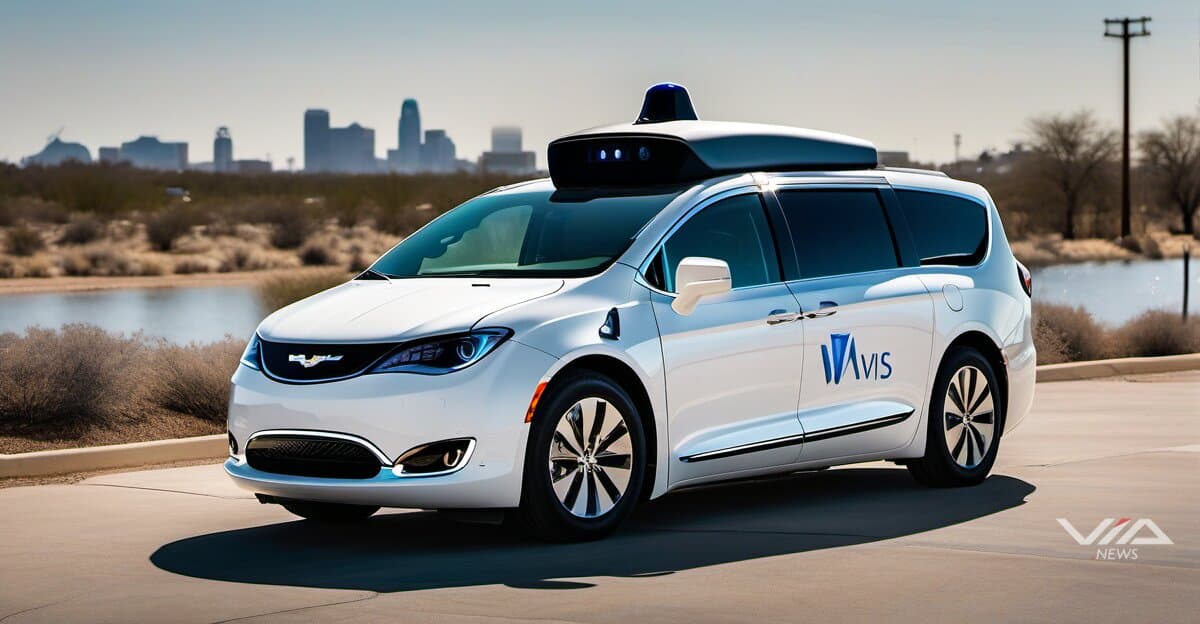
Waymo has contracted Avis Budget Group to manage fleet operations for its autonomous ride-hailing service in Dallas, delegating vehicle charging, cleaning, and maintenance to the rental firm's existing infrastructure. The partnership reflects a broader industry trend away from vertical integration as global AV operators prioritize geographic expansion over proprietary service networks.
Avis will handle daily vehicle preparation at facilities near Waymo's Dallas operating zones, including electric vehicle charging and interior cleaning between rides. This allows Waymo engineers to concentrate on software development rather than logistics—an operational model that may become standard as Chinese firms like Baidu Apollo and European startups scale their own robotaxi programs.
The Dallas launch follows Waymo's established operations in Phoenix and San Francisco. Texas requires no special permits for autonomous vehicles meeting federal safety standards, a regulatory approach that differs significantly from stricter frameworks in Germany, France, and Singapore, where AV testing demands extensive government approval and human safety driver mandates.
Fleet management partnerships also distribute capital requirements across multiple cities. Operating thousands of vehicles demands substantial investment in depot space, equipment, and personnel. Leveraging Avis's global network—which spans North America, Europe, and other markets—reduces fixed costs while enabling faster international scaling should Waymo expand beyond US borders.
The strategy mirrors traditional automotive manufacturing, where companies like Toyota and Volkswagen develop core technology while outsourcing parts production and dealership services. Cruise previously contracted Enterprise Holdings for fleet services before suspending US operations in 2023. As multiple operators launch simultaneously worldwide, demand for specialized AV fleet management could create new service industry segments or strain existing rental company capacity in key markets like London, Tokyo, and Dubai.
Waymo's partnership clarifies business model evolution among AV leaders. Early autonomous vehicle companies positioned themselves as end-to-end transportation providers. Current strategies increasingly separate self-driving technology development from operational logistics, potentially enabling faster deployment across diverse regulatory environments from permissive US states to controlled-access European urban zones.