
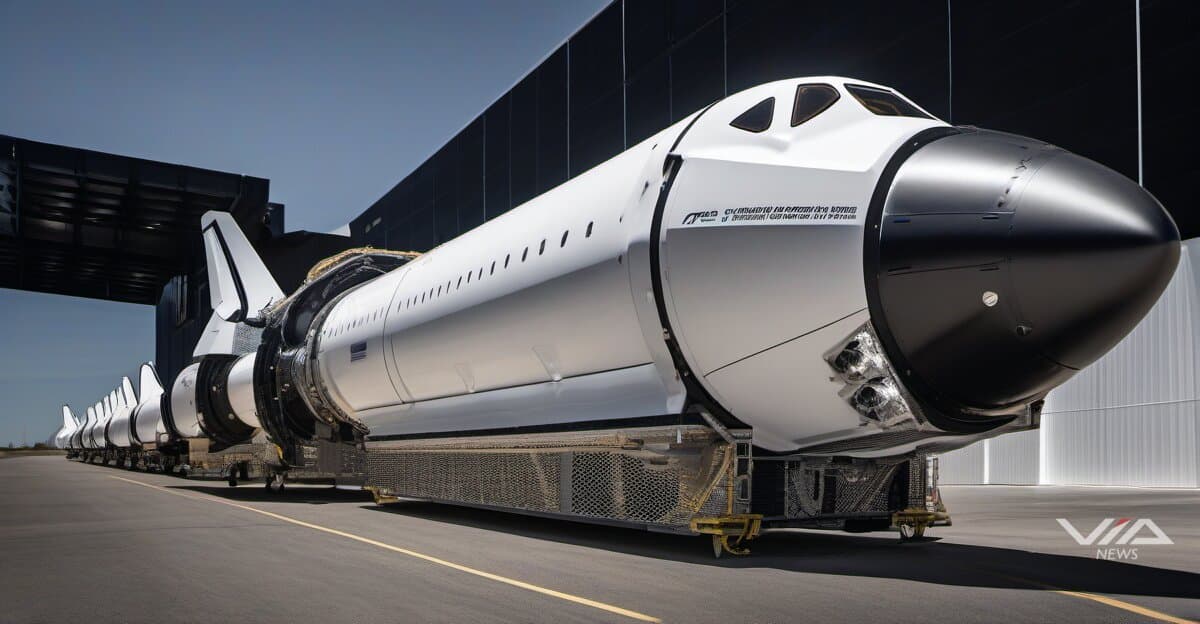
SpaceX could IPO in 2026 at 24 years old, far beyond the 7-8 year exits common in US and European markets pre-2010, Mike Hurst of Turbine stated. Extended private phases now lock capital across global VC markets from Silicon Valley to London and Singapore.
Limited partners worldwide face capital recycling constraints. "The lack of significant returns from exits means fewer dollars for LPs to recycle into new funds," Hurst noted. Public market declines in 2022 hit global indices, creating denominator effects that reduced LP allocation capacity across US, European, and Asian institutional investors.
VCs slowed capital deployment when valuations reset globally in 2022. "Founders with excellent products were struggling to raise funds," Hurst explained. Traditional fundraising stalled despite operational progress at portfolio companies across major markets.
Secondary markets offered exits but pricing collapsed internationally. "Venture secondary sales required significant discounts around 2022," Hurst stated. Discounts reached 30-40% of last-round valuations in both US and cross-border transactions, creating losses LPs couldn't accept.
Asset-backed lending emerged as a global alternative. A typical Turbine borrower is a family office with tens of millions in wealth across illiquid positions, Hurst indicated. International LPs borrow against VC holdings at 50-60% loan-to-value ratios, accessing liquidity without forced sales.
The structure benefits multiple parties. LPs gain immediate capital without crystallizing losses. Lenders secure collateral backed by diversified portfolios spanning US tech, European deep tech, and Asian growth companies. Portfolio companies avoid down-round signaling from secondary sales.
Market dynamics favored this approach during 2022-2023 valuation uncertainty. Private company values remained stable based on operational metrics while public comps fluctuated across Nasdaq, LSE, and Asian exchanges. The spread between private marks and secondary clearing prices widened to 35-50%.
Growth capital availability improved as global LPs unlocked liquidity through credit lines. Families and institutions from North America to the Middle East borrowed to meet follow-on commitments without forced sales. Lending volume against VC positions grew from $15B in 2020 to over $50B by 2025.
Corporate valuations face downward pressure as exit delays extend globally. Companies once valued for near-term liquidity now trade at discounts reflecting 5-10 year hold periods across markets.
Sources:
1 Yahoo Finance, "Peter Thiel is betting big on a $2B AI cow collar startup powered by cowgorithms — and investors are" (March 22, 2026)
2 Globe Newswire, "Tech Entrepreneur Yanik Guillemette Publishes Strategic Analysis of Canada’s Regulatory Framework an" (March 22, 2026)
3 Globe Newswire, "Willis partners with Circle Asia to launch Asia’s first insurance facility for collectors and galler" (March 23, 2026)
4 Nasdaq, "The Nasdaq Is on the Verge of a Correction. 4 Things Investors Need To Remember" (March 23, 2026)
5 Nasdaq, "AI-Driven Fear Slashed Toast Stock by 43%, Even as Free Cash Flow Hit Records" (March 23, 2026)